Why Oral Health Matters: The Hidden Link Between Your Teeth, Gums, and Overall Health
 Attah Oluchukwu Vivian
 Why Oral Health Matters: The Hidden Link Between Your Teeth, Gums, and Overall Health
Most of us think of oral health as just brushing our teeth. But the connection between oral health and overall health runs much deeper than most people realize. The condition of your teeth and gums can affect your heart, your blood sugar, and even how well you breathe. Understanding the importance of oral health is one of the simplest ways to take better care of yourself. Oral health is an essential component of our physical health and personal hygiene
What Is Oral Health?
The World Health Organization (WHO) defines oral health as "a state of the mouth, teeth, and orofacial structures that enables individuals to perform essential functions such as eating, breathing, and speaking" free from disease, discomfort, or embarrassment.
In simple terms, oral health means your mouth, teeth, and gums are healthy enough to let you eat, talk, and smile without any pain or problems.
Here are a few things good oral health helps you do every day:
Chew and enjoy your food without pain
Speak clearly and confidently
Smile and socialize without feeling embarrassed
Breathe comfortably through your mouth
Fight off germs before they spread to the rest of your body
Maintain the natural shape and structure of your face
Key Areas of Oral Health: What Makes Up a Healthy Mouth?
Your mouth is made up of several parts that all work together. Each one plays a role in keeping you healthy. Let's break them down one by one.
1. Teeth
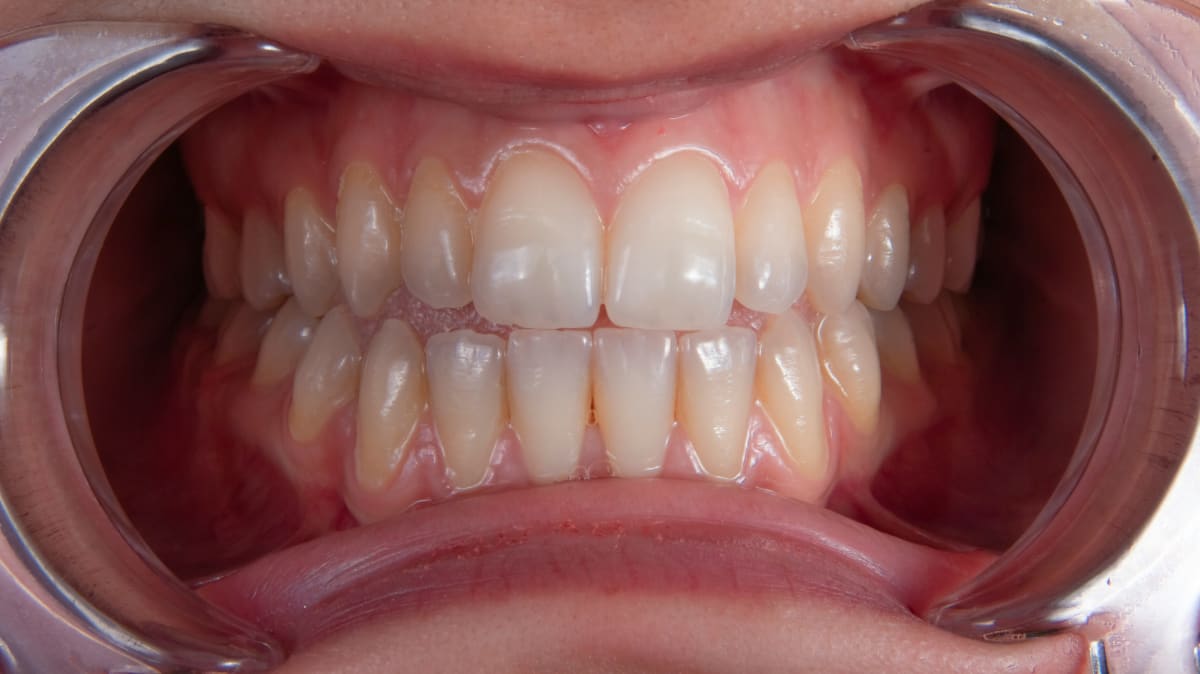
Teeth are the hard, white structures anchored in your jawbone that are used to break down food [NIH]. In everyday terms, they are used to bite, tear, and grind food so you can digest it. Each tooth is coated in enamel, the hardest material in the human body which acts like a shield against damage and decay.
2. Gums
Gums are the soft pink tissue that surrounds and supports your teeth. They are the foundation that holds everything in place. Healthy gums are firm, don't bleed easily, and create a tight seal around each tooth to keep bacteria out. When gums become infected, it can affect your oral health and overall health at the same time.
3. Saliva
Saliva is a fluid produced by glands in your mouth that helps with digestion and protection [NIH]. It's your mouth's built-in cleaning system. Saliva washes away leftover food, neutralizes harmful acids, and contains natural germ-fighting agents.
The oral microbiome is the community of bacteria living in your mouth. Not all of these bacteria are bad. Many of them are helpful. They compete with harmful germs and help keep your mouth balanced.
5. Tongue
The tongue is a muscular organ that supports taste, swallowing, and speech [NIH]. Beyond helping you enjoy your favorite foods, your tongue also helps clean your teeth by moving food debris around so saliva can wash it away.
Why Oral Health Matters: How Your Mouth Affects Your Body
Here's where things get really interesting. Your mouth isn't separate from the rest of your body. Research shows that problems in your mouth can be connected to serious health conditions elsewhere [American Heart Association, American Diabetes Association].
When gum disease goes untreated, harmful bacteria can enter your bloodstream. This can trigger inflammation a response your body uses to fight infection in other parts of your body. Over time, that inflammation may contribute to bigger health problems. This is why the importance of oral health goes far beyond just having a nice smile.
Here are some of the most important connections:
Heart disease: People with gum disease may be 2-3 times more likely to experience a heart attack or stroke. Bacteria from the mouth can contribute to plaque buildup in the arteries [American Heart Association].
Diabetes: Gum disease and diabetes affect each other in both directions. Infections in the gums can make blood sugar harder to control, and high blood sugar makes gum infections worse [American Diabetes Association].
Respiratory infections: Bacteria from the mouth can be breathed into the lungs, potentially worsening conditions like pneumonia or chronic obstructive pulmonary disease.
Pregnancy complications: Gum disease during pregnancy has been associated with preterm birth and low birth weight, possibly because inflammation can affect the placenta [NIH].
These links don't mean gum disease directly causes these conditions. But they do show that taking care of your mouth supports your whole body.
What Are the Most Common Oral Health Problems?
Even with good habits, it helps to know what to watch for. Here are some of the most common oral health problems that affect millions of people every year.
Cavities (tooth decay) — Bacteria feed on sugars and produce acids that wear holes in your enamel. You might notice pain or sensitivity when eating. Untreated cavities can lead to serious infections.
Gum disease — Starts as bleeding gums and can progress to periodontitis, which damages the bone supporting your teeth and can lead to tooth loss.
Dry mouth — When your body doesn't produce enough saliva, often due to medications, your risk of cavities and infections goes up.
Tooth sensitivity — Worn enamel exposes the softer layer underneath called dentin, causing sharp pain with hot, cold, or sweet foods.
Oral infections — Abscesses (pockets of pus) and thrush (a fungal infection) are signs of bacterial or fungal overgrowth that need professional care right away.
Risk Factors That Affect Oral Health
Some habits and conditions make oral health problems more likely. Knowing them helps you stay one step ahead.
Poor hygiene — Not brushing or flossing allows plaque to build up, which leads to decay and gum disease.
Smoking — Restricts blood flow to the gums, hides early symptoms, and raises the risk of gum disease and oral cancer.
High-sugar diet — Sugar fuels the acid-producing bacteria that eat away at enamel.
Dehydration — Drinking too little water reduces saliva flow and weakens your mouth's natural defenses.
Chronic illness — Conditions like diabetes can weaken immunity, making oral infections harder to fight.
How to Improve and Protect Your Oral Health
The great news is that most oral health problems are preventable. Learning how to improve oral health starts with small, daily habits that make a big difference over time.
Brush twice a day for two full minutes using fluoride toothpaste and a soft-bristled brush.
Floss daily to remove plaque and food from between your teeth where your brush can't reach.
Drink plenty of water throughout the day. Fluoridated water helps rinse away debris and supports saliva production.
Eat a balanced diet rich in calcium, vitamins, and fiber. Fresh fruits, vegetables, and dairy products all promote stronger teeth and gums.
Reduce sugary snacks and drinks, since sugar fuels the bacteria that cause cavities.
Visit your dentist every six months for a professional cleaning and checkup. Don't wait for pain, early detection helps prevent bigger problems.
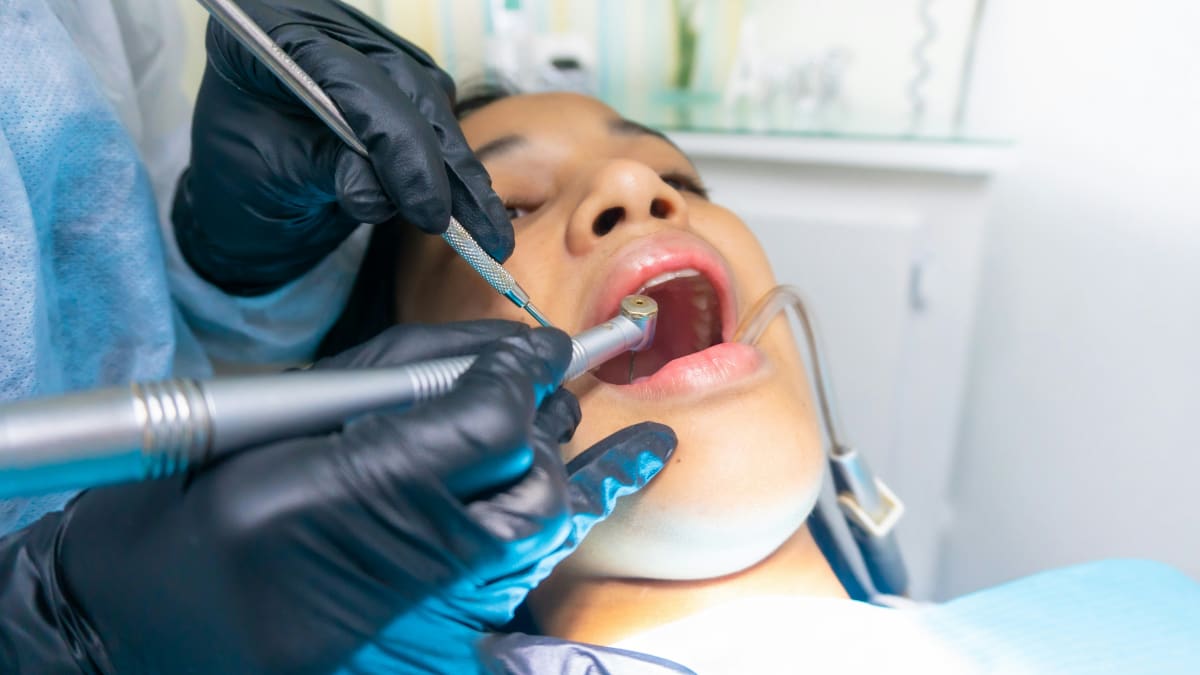
If you notice bleeding gums that last more than a week, ongoing bad breath, loose teeth, or chronic dry mouth, those are signs it's time to see a dentist right away.
Photo credits (Unsplash)
Thumbnail: Enci Mousavi
Dentist photo: lafayett zapata montero
Teeth photo: dentistozkanguner