Most Commonly Abused Drugs in Nigeria and Their Health Effects: What Every Nigerian Should Know.
 Attah Oluchukwu Vivian
Most Commonly Abused Drugs in Nigeria and Their Health Effects: What Every Nigerian Should Know.
Drug abuse is silently tearing through Nigerian families. A son who cannot sleep. A daughter who has isolated herself. A neighbour who changed overnight. A student who stopped coming to lectures. Behind all of these, there's a substance involved, some cases an illegal drug, sometimes a pill bought from a pharmacy.
Introduction
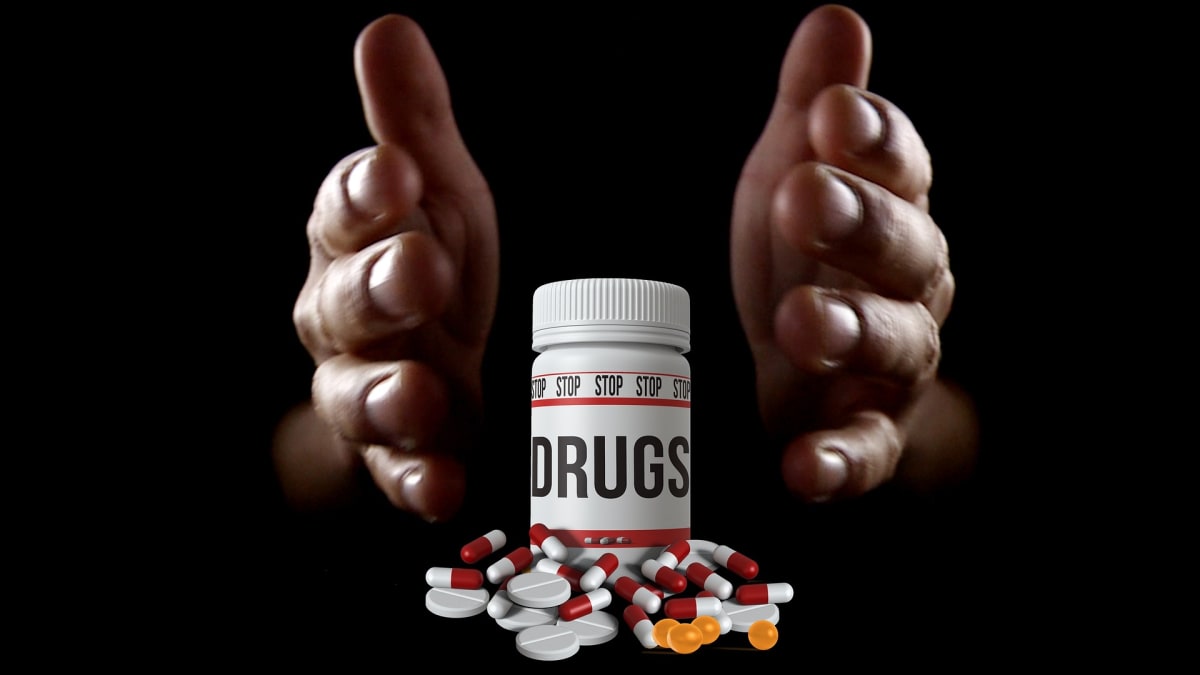
The most commonly abused drugs in Nigeria include both illegal street drugs and prescription medications that are often misused. Learning about these substances and their effects on the body is an important step in preventing addiction and protecting loved ones. For more details, you can read our article on how drug abuse affects the body. Drug abuse in Nigeria shows up in many forms. Taking more than the prescribed dose. Using someone else's medication. Taking a drug purely to feel numb or escape reality. Mixing substances to get a stronger effect.
It helps to know the difference between dependence and addiction. Dependence means the body physically needs the drug to feel normal. Addiction goes deeper. It means continuing to use even when it is clearly causing harm. With this in mind, here are some drugs that are commonly abused in Nigeria
Stimulants.
Methamphetamine (Mkpuru Mmiri)
If you are from southeastern Nigeria, you must have heard the name. "Mkpuru Mmiri," which means "pure water" in Igbo, or ICE, is named for the way the crystals look. It is methamphetamine (METH), a powerful stimulant that floods the brain with dopamine, the chemical behind pleasure and reward. It is also used for weight loss therapy in obesity. Some youth consume it to increase sexual performance. It is frequently smoked in pipes, inhaled, or dissolved in water or alcohol.
In the short term, it gives a surge of energy and confidence. People feel unstoppable. That is exactly the trap.
Long-term use leads to paranoia, violent behavior, psychosis, and an addiction that is brutally hard to break. The body also stops functioning normally. Sleep disappears. Eating becomes impossible. The mind begins to turn on itself.
The health effects of drug abuse extend beyond the brain, too. Long-term substance misuse quietly destroys the mouth, the teeth, and the gums. Our guide on why oral health matters explains that connection in detail.
Molly (MDMA/Ecstasy)
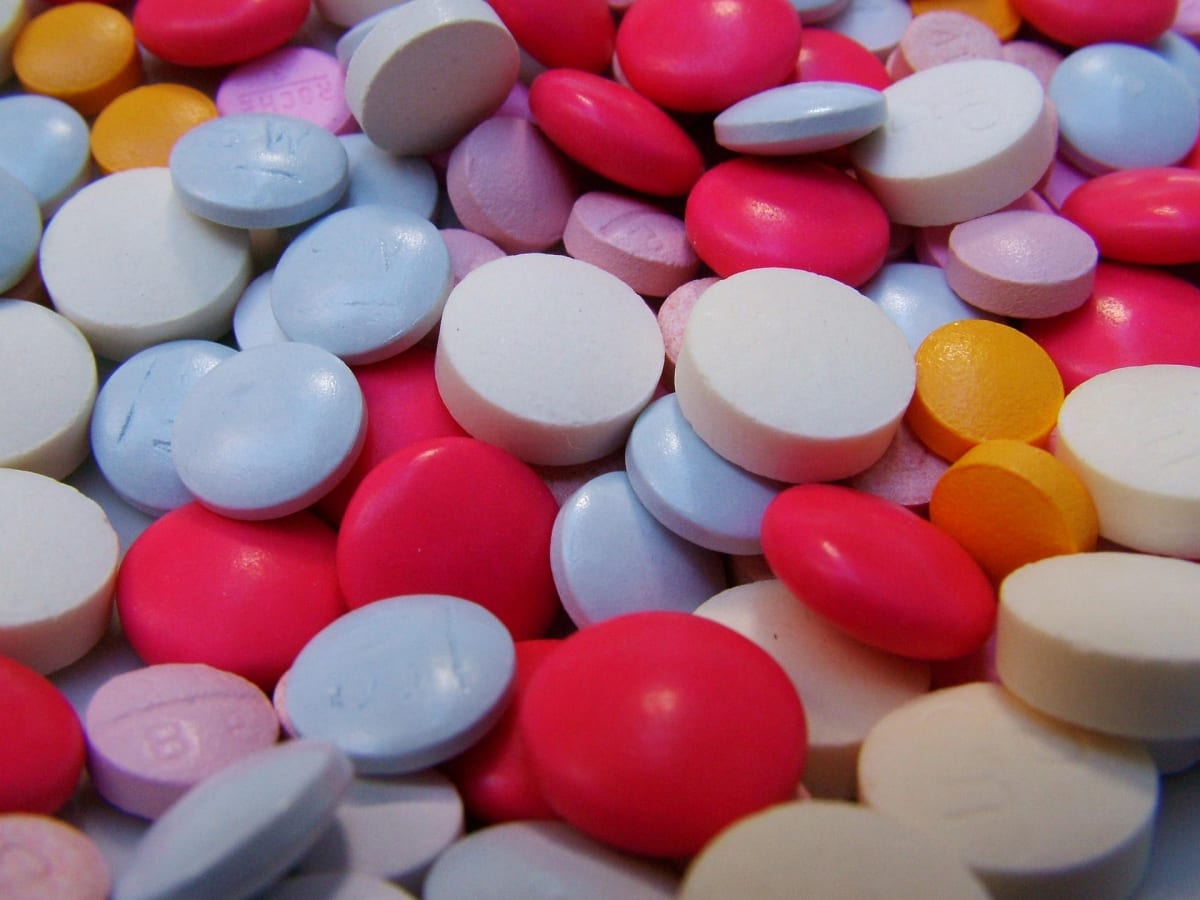
Among the substances commonly abused by youths in Nigerian cities, Molly moves more quietly than most. It circulates through nightlife in cities like Lagos, as well as university parties, clubs, and private gatherings. It goes by different names—Ecstasy, MDMA, or simply “Molly”—and is often very colourful in appearance.
It works by releasing serotonin, dopamine, and norepinephrine all at once, creating a wave of euphoria, emotional warmth, and intense energy that can last three to six hours.
People feel unusually connected to others. Music sounds sharper. Everything feels alive. Then it wears off. What follows is often a heavy emotional crash as the brain runs low on serotonin. Repeated use can lead to lasting depression, memory problems, and cognitive damage. In Nigeria, street Molly is frequently mixed with other substances, sometimes fentanyl, without the user ever knowing.
Opioids.
Opioids block pain signals in the brain and produce a deep sense of calm [CDC, Drug Overdose Prevention]. They have legitimate medical uses. The problem is that dependence can develop faster than most people expect. Opioid abuse risks in Nigeria have grown over the years, making this one of the most pressing drug-related health concerns in the country.
Codeine
Codeine is a mild opioid found in some prescription cough syrups. Codeine cough syrup abuse spread so widely across Nigerian states, especially in the north, that the government banned high-strength versions in 2018. The street mixture called "Lean," a combination of cough syrup with soft drinks, is a growing problem among youths and students. It feels harmless at first. Over time, it damages the liver, kidneys, and nervous system. Codeine misuse has also been linked to serious oral health problems, which our upcoming guide on how codeine addiction damages your teeth covers in full.
Percocet (Oxycodone + Acetaminophen)
You must have heard this drug in some of your favourite rap songs. Percocet or “Percs” is a strong prescription painkiller meant for short-term use under medical supervision. Prescription drug abuse involving Percocet is rising in Nigeria, often in combination with other opioids. Even a few weeks of misuse can trigger deep physical dependence. The acetaminophen component also places serious strain on the liver over time.
Fentanyl
Fentanyl is up to 100 times stronger than morphine. A dose barely visible to the naked eye can stop a person's breathing. What makes it especially dangerous in the context of drug abuse in Nigeria is that it is sometimes mixed secretly into other street drugs. Users have no idea they are taking it.
Benzodiazepines.
Benzodiazepines are prescribed for anxiety, sleep disorders, and muscle problems. Misused, they become deeply risky. Among the substances commonly abused by youths in this category:
Xanax (Alprazolam) for anxiety and panic attacks
Valium (Diazepam) for anxiety, muscle spasms, and seizures
Rohypnol (Flunitrazepam) is widely known as “roofies" or “date rape drug" due to the severe memory loss it causes. This drug is currently banned in the US because of its link to sexual assault.
All three can cause heavy sedation, poor judgment, memory gaps, and dangerous breathing problems. Combined with alcohol, any of them can be fatal.
Antidepressants
Prozac (Fluoxetine).
Prozac is a prescription antidepressant for depression, OCD, and panic disorder [FDA Drug Label]. It does not produce a high, but some people take it without a prescription, hoping to manage stress or lift their mood. This form of prescription drug abuse is easy to overlook because the drug seems mild. Without proper guidance, it can cause agitation, insomnia, and serotonin syndrome, a dangerous buildup of serotonin in the brain. The health effects of drug abuse do not have to involve street drugs to cause real damage.
Inhalants.
Nitrous Oxide (Laughing Gas)
Nitrous oxide is commonly used by dentists to manage pain during procedures. However, it is popularly abused by young people. When inhaled from a balloon at parties, it produces a dizzy, floating feeling that lasts about thirty seconds.
Those thirty seconds cost more than people think. Regular use starves the brain of oxygen, causes permanent nerve damage, and has been linked to cardiac arrests among Nigerian youths. It is one of the more overlooked, commonly abused drugs in Nigeria, precisely because it seems harmless.
Conclusion
Every drug on this list works differently. Each one pulls people in through a different door. But they all lead to the same place: a body under strain, a mind under pressure, and a life that becomes harder to hold together.
The health effects of drug abuse are not abstract. They show up in hospital wards, in broken relationships, and in communities that deserve better. Drug abuse in Nigeria is a public health issue that touches every age group, every city, and every income level. Awareness does not solve everything, but it changes what people are willing to see. And that is always where it starts.
Understanding these risks also connects to areas of health that often go unnoticed, including how drugs like codeine quietly damage oral health over time.
Photo Credits
Thumbnail: Image by deeznutz1
Drug Photo: Image by jorono
Pill photo: Image by wonder woman