How Drug Abuse Affects the Body: Short-Term and Long-Term Health Effects.
 Attah Oluchukwu Vivian
 How Drug Abuse Affects the Body: Short- and Long-Term Health Effects.
A lot of people think of drug abuse as a brain problem. And yes, it absolutely starts there, but the effects of drug abuse on the body go far beyond that. The damage spreads to your heart, liver, kidneys, immune system, and even your teeth. Some of these effects show up after one bad night. Others creep in so slowly you don't notice until something breaks down for good. That's what makes this topic very important.
What Is Drug Abuse?
The World Health Organisation (WHO) defines substance abuse as the harmful or hazardous use of psychoactive substances, covering everything from alcohol and prescription meds to street drugs. It's when using a substance starts doing more harm than whatever relief or pleasure it's giving you. And the tricky part is that the line is different for everyone.
It doesn't always look like what the media shows us. Drug abuse can be:
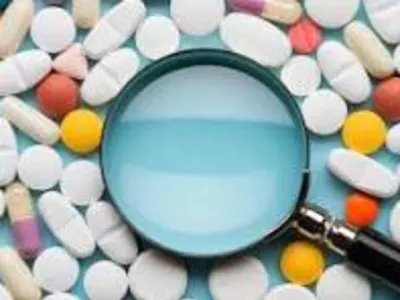
Taking an extra Percocet (Oxycodone+ Paracetamol) because the prescribed dose "stopped working"
Borrowing your friend's Xanax(Alprazolam) to get through a rough time
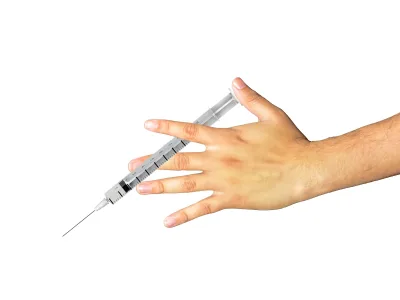
Snorting or injecting substances like pentazocine, meth, heroin, or cocaine
Mixing drugs, like mixing benzos with alcohol, to achieve a stronger effect
Using cough syrup or sleep aids way past their labelled use
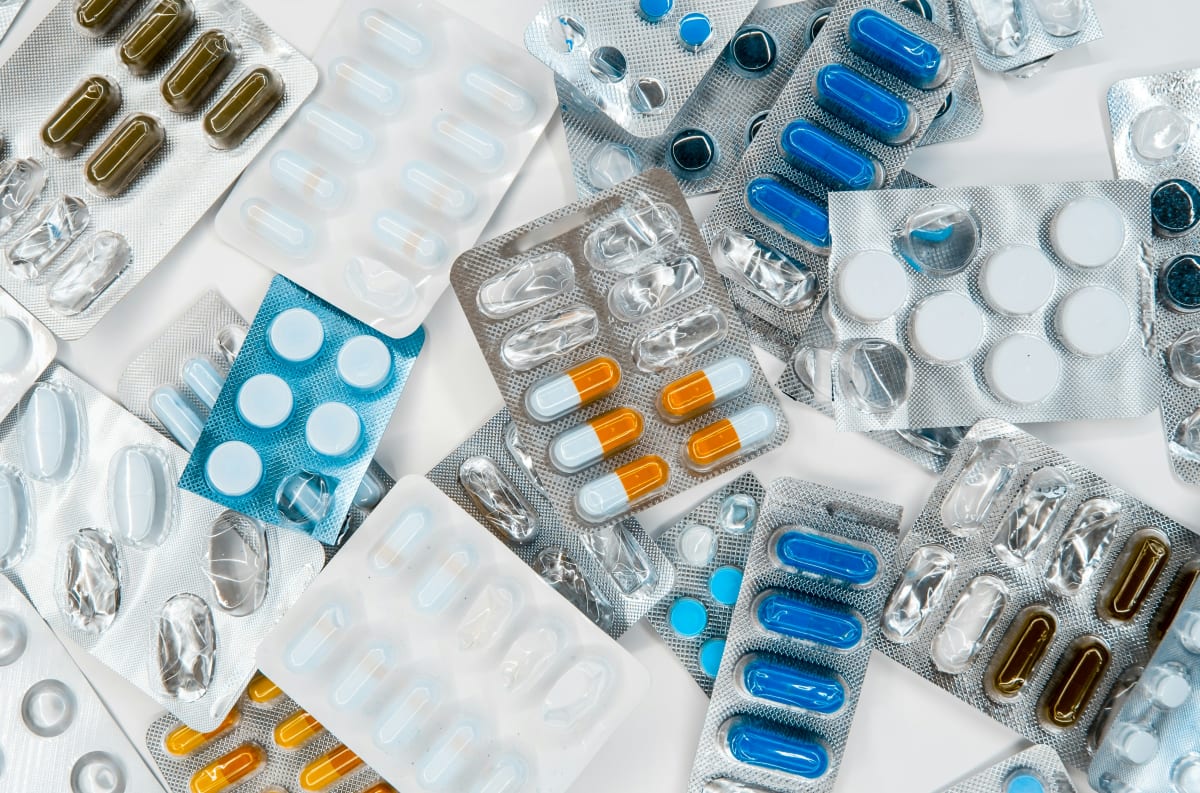
And this issue of drug abuse is not a small or hidden problem. The impact of substance abuse on health has destroyed the lives of many, and tens of millions of families are touched by this.
Key Areas of How Drug Abuse Affects the Body
The effects of these aren't meant to scare anyone. Because when you understand what's actually going on inside the body, you're in a much better position to detect things early, whether for yourself or someone you care about.

The Brain and Nervous System
The National Institute on Drug Abuse describes addiction as a chronic brain disorder that rewires the circuits controlling reward, motivation, and memory [NIDA]. What that looks like in real life is this: drugs flood your brain with dopamine, the chemical behind pleasure and motivation, and your brain eventually stops making enough on its own.
The short-term effects of drug abuse on the brain might look like mood swings or poor thinking, some paranoia or even impulsive decisions you wouldn't normally make. But over months and years, the brain physically changes. Parts of it shrink. Memory gets worse. Decision-making deteriorates. Heavy methamphetamine use, for example, raises the risk of stroke and even Parkinson's disease in the long run.
The Heart and Blood Vessels
Your heart is also affected. Some stimulant drugs like cocaine and methamphetamine are known for spiking heart rate and blood pressure. Even one use can trigger an arrhythmia or, in severe cases, a heart attack. And no, you don't have to be older or out of shape for that to happen.
The long-term effects of drugs on the cardiovascular system are even more dangerous. Weakened heart muscle. Chronic high blood pressure. And for people who inject drugs, there's a serious risk of endocarditis, which is an infection of the heart valves that can turn fatal without treatment. Collapsed veins are another common problem that nobody really talks about until it's too late.
The Liver and Kidneys
Think of your liver and kidneys as your body's filtration system. Every substance you put in, especially drugs, has to pass through them eventually. The CDC points out that chronic alcohol use remains one of the leading causes of liver cirrhosis, while opioids and stimulants can push the kidneys into acute failure.
What makes this worse? Sharing needles spreads hepatitis B and C, viruses that attack the liver directly. So now you've got an organ that's already overworked from processing drugs, and it's fighting off a viral infection at the same time. Scar tissue builds. Function drops. And once cirrhosis sets in, there's no going back. These are the kinds of physical effects of addiction that often stay hidden until the damage is already severe.
The Immune System
This one flies under the radar and isn’t really talked about, but it matters a lot. Research through the National Institutes of Health shows that opioids, cocaine, and alcohol all suppress white blood cell activity. Your immune system gets compromised right when you need it most.
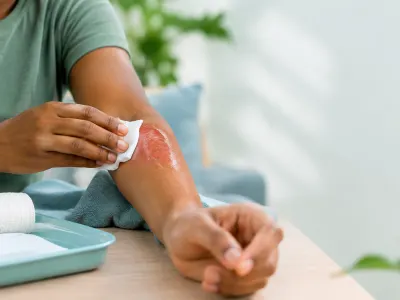
Practically speaking, that means you get sick more often and heal more slowly. Meth users frequently develop skin sores that won't close because the body just can't mount a proper defence. Pneumonia, tuberculosis, and other infections become real threats, not distant possibilities.
Hormones and Reproductive Health
Nobody really warns you about this part. Opioids reduce testosterone levels in men, leading to fatigue, low sex drive, and erectile dysfunction that can feel embarrassing and isolating. Alcohol throws off estrogen balance in women, sometimes disrupting menstrual cycles or making it harder to conceive. These changes happen gradually, so gradually that most people blame it on stress or ageing before connecting it to substance use.
Mental Health
The connection between drug abuse and mental health is one of the most painful part. It has been recognised that over half of people living with a substance use disorder also struggle with a co-occurring mental health condition such as depression, anxiety, paranoia, or even full-blown psychosis. And when it reaches that level, it can be deeply traumatic, not just for the individual, but for their friends and loved ones as well.
And the cruel irony is that many people start using substances because they're trying to cope with those exact feelings. The drugs feel like they're helping, for a while. Then they quietly make everything worse, piling on shame, isolation, and emotional instability that becomes hard to separate from the original problem.
Everyday Health Habits
When substance abuse takes hold, the basics fall apart. Meals get skipped. Sleep goes sideways. Showers become optional. Dental care disappears entirely, and it shows. "Meth mouth" gets all the attention, but even opioid-related dry mouth quietly increases cavities and gum disease over time. Here we explained deeper how your oral health is connected to the rest of your body.
Malnutrition weakens everything else. Dehydration sets in fully. And the financial burden of maintaining a habit often means that healthy food is the first thing to get cut from the budget.
Why This All Matters
This isn't about judgment. Not even a little. It's about giving people, all of us, the information we need to act before the damage becomes permanent. Understanding the full effects of drug abuse on the body is what makes that possible.
Catching things early can reverse many short-term effects
Recognising the physical effects of addiction helps families step in sooner, with compassion
Understanding the biology helps reduce stigma because this is a health issue, not a character flaw.
Better awareness leads to smarter conversations about prescription use and pain management, just as explained here.
Communities that talk openly about drug abuse tend to see better recovery outcomes.
How You Can Help
You don't need a medical degree to matter in someone's recovery. Sometimes the smallest gestures carry the most weight.
Pay attention to changes: Sudden weight loss, disrupted sleep, mood shifts, or declining hygiene can all be signals worth a gentle conversation.
Start talking, without lecturing: A simple "Hey, I've noticed some things, and I'm worried about you" goes a long way than you would think.
Point people toward real help: The national helpline is free, confidential, and open around the clock for everyone.
Relay to a medical professional: Medical professionals prevent, identify, treat, and educate patients on drug abuse.
Know the line between support and enabling: Loving someone doesn't mean protecting them from every consequence. Sometimes those consequences are what finally open the door to change.
Don't forget about yourself: Walking alongside someone through addiction is exhausting. You need support too, and there's nothing selfish about that.
The body is remarkably good at healing when you give it the space to do so. Recovery doesn't happen quickly, and it rarely looks clean or easy. But it happens. Every single day, it happens. And more often than not, it starts because one person decided to pay attention and say something.
Photo credits
Thumbnail: Mathieu Tremblay
Photo of the man: Mishal Ibrahim
Photo of the pills: Roberto Sorin