Physical Health: Caring For Your Body
 Angel Okoli
 In today's society, caring for the body can feel confusing, pressured or overwhelming. We tend to forget it's about care not perfection. And sometimes we tend to not care at all.
From our previous article, we learned that everything we do is based on our physical well-being. Our work, goals and life are all tied to our physical health so it's important we take excellent care of it.
What is physical health?
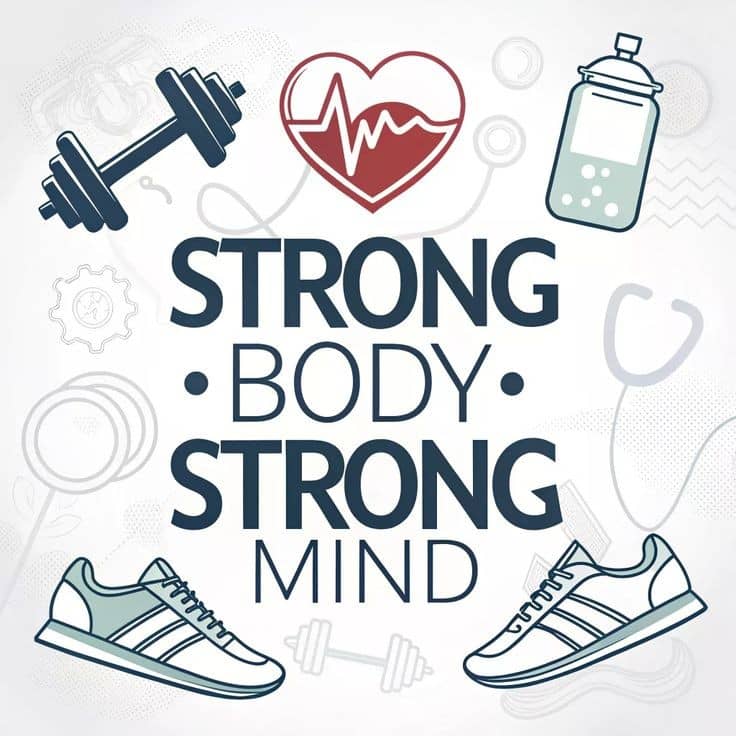
Physical health, simply put, refers to the overall well-being and functioning of the body.
The NHS (National Health Service) emphasizes that physical health involves the body's condition, function, and fitness, extending beyond just the absence of disease to include your ability to perform daily activities, fight fatigue, and manage illness, closely tied to diet, activity, sleep, and mental well-being, with a focus on maintaining a healthy body and preventing chronic conditions.
It represents one dimension of total well-being and how you treat it can affect the other dimensions which includes your mental, social, environmental health.
How to take care of your physical health
1. Regular exercise
Exercise is a physical activity that improves or maintains fitness, involving movement that works muscles and burns calories, offering benefits like weight control, mood boost, and increased energy.
It includes types like aerobic (walking, swimming), strength training (weights, bodyweight), balance (Tai Chi), and flexibility (yoga, stretching).
Exercise also helps reduce the risks of chronic diseases (stroke, heart disease, diabetes). It improves brain function, circulation and helps in controlling blood sugar and insulin levels.
Many people grow up with the idea that exercise is only meant for people who are trying to change their body size or lose weight.
It is not.
Exercise is a physical activity meant for everyone, young and old, and is needed to care for your body.
If you can, work toward at least 150 minutes of exercise each week and notice how your body responds.
2.Balanced nutrition
Our body requires a proper balanced meal regularly. It is crucial and non-negotiable as it affects everything in our body.
Nutrition is a 3-part process. First, food or drink is consumed. Second, the body breaks down the food or drink into nutrients. Third, the nutrients travel through the bloodstream to different parts of the body where they are used as "fuel" and for many other purposes.
To give the body proper nutrition, a person has to eat and drink enough of the foods that contain key nutrients.
And what are these key nutrients?
• Carbohydrates: This is the primary source of energy for the body. They are also known as energy-giving foods. Examples: rice and grains.
• Proteins: Proteins are contained in meat, dairy products, eggs and beans. They help in tissue build and repair. The body needs protein from the food you eat to build and maintain bones, muscles and skin.
• Fats and oil: Fats are important compounds that help your body absorb key vitamins and minerals. This can be gotten from nuts, seeds, edible oils and meat. They provide energy for the body, offer insulation and organ protection.
• Others include vitamins, minerals, fibre and water.
Each nutrient performs different functions in our body, they all work together and contribute to our good health by having a balanced diet.
3. Sufficient sleep
Sleep is an essential key to our health. It is a natural state of rest for the body.
During sleep, your body is working to support healthy brain function and maintain your physical health. Getting inadequate sleep overtime can lead to health risks in the future. It can also affect how well you think, work, react and interact with others.
When you're not getting enough sleep, your body lets you know. You might feel cranky, light-headed or disconnected from yourself and others.
One well-known sleep guideline said to support better rest is the 10-3-2-1-0 rule.
10 hours before bed: No more caffeine.
3 hours before bed: No more food or alcohol.
2 hours before bed: No more work.
1 hour before bed: No more screen time (shut off all phones, TVs and computers).
0: The number of times you hit snooze in the morning!
If you decide to try this method, we’d love to hear how it works for you. Don't forget to share in the comments!
Remember: Seven to nine hours of sleep is required for optimal health!
4.Proper hydration
Proper hydration involves consistently drinking enough fluids, especially water, to support bodily functions.
We may think how much water we take isn't important but the general guidelines is around 11.5 cups for women and 15.5 cups for men daily, 5-11 cups for children, depending on their age, though needs vary with activity, climate, and health, making pale yellow urine a good indicator of sufficient intake.
Staying hydrated
• Drink water regularly.
• Eat water-rich foods (fruits and vegetables are your friends).
• Apply sunscreen to skin.
• Avoid too much alcohol, soda and sugary drinks.
Water is your body's principal chemical component and makes up about 50% to 70% of your body weight. Your body depends on water to survive. Numerous health benefits of water you weren't aware about are:
• It lubricates the joints.
• It delivers oxygen throughout the body.
• It boosts skin health.
• It regulates body temperature.
• It flushes body waste.
• It boosts performance during exercise.
Signs of dehydration
• Thirst, dry mouth, dizziness, dark urine, fatigue, and infrequent urination.
When to Drink Water
• When you feel thirsty (a sign of mild dehydration).
• Before, during, and after exercise.
• Before meals to potentially help with weight management.
• When feeling tired or sluggish.
5.Hygiene
Hygiene refers to behaviors that can improve cleanliness and lead to good health. They are a set of habits to preserve health. Your hygiene habits can either aid or destroy your health so your personal hygiene must be taken very seriously.
Basic hygiene includes:
• Cleaning your body every day.
• Wash your hands with soap and water after going to the toilet.
• Brushing and flossing your teeth twice a day.
• Covering your mouth and nose with a tissue (or your sleeve) when sneezing or coughing.
Additionally, washing your hands is very important and should be done as many times as needed!
When to wash your hands:
• When they are dirty.
• After a long day of work.
• Before and after preparing or eating food.
• After blowing your nose.
• After using the restroom.
• Before and after visiting someone who is sick.
• After cleaning up vomit or body fluids.
• Before and after treating cuts or wounds.
If soap and water aren't available, always make sure to carry a hand sanitizer. A good hand sanitizer should contain at least 60% of alcohol.
Why is personal hygiene important?
Good hygiene is necessary because it helps stop you from getting sick. It also helps stop you from spreading germs and infectious diseases to other people.
Summary
Each of these practices helps nurture your physical health. With time and attention, caring for your body becomes easier as you get to know what it needs and how to truly listen to it!
𝖨𝗆𝖺𝗀𝖾 𝖼𝗋𝖾𝖽𝗂𝗍: 𝖡𝗒𝗈𝗍𝗂𝖼𝗈 𝖦𝖺𝗌𝗍𝗋𝗈 𝗈𝗇 𝗉𝗂𝗇𝗍𝖾𝗋𝖾𝗌𝗍