Does Codeine Damage Your Teeth? Oral Health Risks of Codeine Abuse
 Attah Oluchukwu Vivian
 Does Codeine Damage Your Teeth? Oral Health Risks of Codeine Abuse
Most people who abuse codeine are thinking about getting high, not their teeth. But here's what most people don't know: that same bottle is slowly destroying your mouth. So if you've been asking yourself, "Does codeine damage your teeth?" — the short answer is yes, and it happens faster than you'd think. The link between codeine and tooth decay is real, and in Nigeria, where codeine syrup abuse has become part of everyday youth culture, this is a conversation we really need to have.
What Is Codeine?
Codeine is an opioid that comes from the opium poppy plant. When you take it, your liver breaks it down into morphine. That's what creates the calm, floaty, pain-free feeling people chase.
Its labelled claim is to treat pain and stubborn dry coughs. The problem is that most people in Nigeria aren't using it that way. Codeine is one of the most commonly abused drugs in Nigeria, and its effects reach far beyond the high people are chasing.
Codeine is classified as a controlled substance because dependence is so easy to develop. Even when taken correctly, it can cause side effects such as drowsiness, nausea, constipation, and dry mouth. That last one is where your teeth start to suffer.
How Codeine Affects the Body
Codeine finds specific receptors in your brain and spinal cord and tells your nervous system to slow down. Pain signals get quieter. Breathing slows. And for a while, everything feels manageable. That's the pull.
But the more you use it, the more your body adjusts. Soon, the same amount stops working the same way. So you take more. Then your body adjusts again. Before long, you're not drinking it to feel good. You're drinking it just to feel normal. That's dependence. That's the trap.
Long-term abuse damages the liver and kidneys, weakens your immune system, and affects memory and clear thinking. To understand the full picture, it helps to look at how drug abuse affects the body — both in the short term and over time. And somewhere in all of that, opioid use and oral health quietly become a serious problem that most users never see coming.
Why Opioids Like Codeine Can Cause Dry Mouth
Here's something that surprises a lot of people. Codeine dries out your mouth. This condition is called xerostomia, but you can just call it dry mouth from opioids.
Your mouth produces roughly three pints of saliva every day. Saliva is your mouth's natural defence system. It rinses away food, kills bacteria, neutralizes acids, and protects your enamel from breaking down. And as we explored in Why Oral Health Matters, the health of your mouth is directly connected to the health of your entire body, not just your teeth.
Dry mouth from opioids turns that defence system off. Bacteria multiply fast. Acid builds up. Enamel weakens. Cavities form. Research suggests up to 80% of people who use opioids like codeine experience reduced saliva flow.
Codeine also makes you crave sugar. Sweet drinks, biscuits, candy. All of that helps the bacteria already thriving in your dry mouth. It's like pouring fuel on a fire that's already burning your teeth down. This is how codeine and tooth decay become directly connected and why the damage moves so fast.
Codeine Cough Syrup Abuse and Oral Health.
In Nigeria, codeine syrups are manufactured legally. But a huge amount gets diverted before it reaches any pharmacy. It ends up on the streets, in schools, at motor parks, and in nightclubs. No prescription. No questions. Just cash.
The people buying it are mostly young. Teenagers, students, young adults, trying to escape something. Grief, pressure, boredom, a broken home. Sometimes it starts simply because a friend offered it.
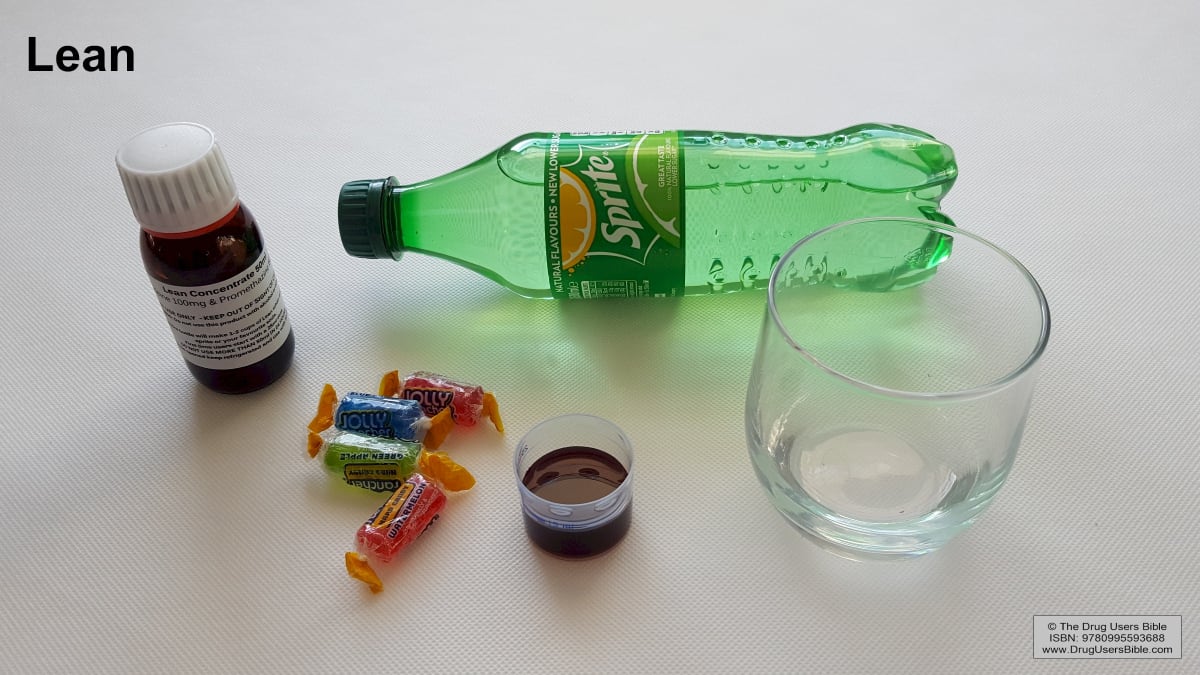
Most people don't drink it straight. The most popular method is mixing codeine syrup with a soft drink like Coke or Fanta to make it go down easier. This combination is popularly called "lean." People gather after school or late at night and drink together. It becomes social before it becomes desperate.
Nigerian Senate estimates once suggested up to 3 million bottles were consumed daily in just Kano and Jigawa states alone. A 2018 BBC investigation called Sweet Sweet Codeine revealed this story to the world. The government eventually banned the production and import of codeine syrups, but the black market never really stopped.
Codeine cough syrup abuse makes the dental damage far worse than most people expect. You're pouring a sugary, acidic liquid into a mouth already dangerously dry from the opioid. Your teeth are being soaked in decay-causing substances all day. Plaque builds up fast. Enamel breaks down. Cavities spread along the gumline. Nobody is brushing their teeth. Nobody is visiting a dentist. Drug abuse and dental problems almost always come as a pair, and in cases like this, they feed each other in ways that are hard to reverse.
Former users globally have described watching their teeth crumble. Not slowly weaken. Crumble. The combination of constant sugar and chronic dry mouth creates decay that moves fast and hits hard.
Signs Codeine May Be Affecting Your Teeth.
Watch for these warning signs in yourself or someone close to you:
Your mouth always feels dry or sticky
Your teeth are sensitive to hot drinks, cold water, or anything sweet
You can see dark spots, holes, or staining on your teeth
Your gums bleed when you brush
Your breath stays bad no matter how much you brush
You feel pain when chewing or biting
You've started avoiding smiling around people
Studies show people with opioid dependence have decay scores more than double those of non-users. The connection between drug abuse and dental problems builds quietly. By the time the signs are obvious, things have usually already gone quite far.
Protecting Your Oral Health.
Damage can be slowed down. Some of it can even be reversed. Your mouth is more resilient than you think if you give it a chance.
Deal with the addiction first. Talk to a doctor, a counselor, or a trusted person. NDLEA rehabilitation centres and hospital psychiatric units are available options across Nigeria.
Drink more water. Water counters some of the damage that dry mouth from opioids causes.
Chew sugar-free gum. It triggers your saliva glands and gives your teeth natural protection.
Brush morning and night with fluoride toothpaste and floss daily.
See a dentist every three to six months and be honest about what you've been taking.
Cut the sugary drinks. Even small changes here slow decay significantly.
Rinse your mouth with water after any syrup or sweet medication.
Addiction is not a character flaw. It happens to real people, smart people, young people with everything ahead of them. Getting help is strength, not a weakness.
Conclusion
The relationship between codeine and tooth decay is something most users never think about until the damage is already done. Dry mouth from opioids breaks down your enamel. Sweetened syrup mixed with soda soaks your teeth in sugar for hours. Neglect does the rest. When it comes to opioid use and oral health, the effects are serious and in Nigeria, where codeine cough syrup abuse has touched so many young lives, the dental damage is real even when it goes unspoken. Drug abuse and dental problems are never separate stories. They are the same story.
Your teeth are worth protecting. So is the rest of you. And if this article opened your eyes to what codeine can do to your mouth, it's worth understanding how drug abuse affects the body more broadly because the damage doesn't stop at your teeth.
If you or someone you know needs support, please reach out to a qualified healthcare provider or contact the NDLEA helpline.
Photo Credits
Teeth Photo by Ozkan Guner