Female Reproductive Health Explained: Functions, Importance, and Common Issues.
 Attah Oluchukwu Vivian
 Female Reproductive Health Explained: Functions, Importance, and Common Issues.
Let’s be honest, growing up as a girl, nobody really explained this properly. But here’s the truth: your body is doing something amazing every single day. The more you understand it, the easier it becomes to take care of yourself.
Female reproductive health isn’t something to avoid or whisper about. It’s a core part of how your body works and how you feel every day, and it deserves open, clear, and honest conversation.

What Is Reproductive Health?
The World Health Organization puts it this way. Reproductive health is complete physical, mental, and social well-being in all matters relating to the reproductive system, not merely the absence of disease or infirmity. [WHO]
Let's break it down in layman's terms
What is reproductive health, really? It basically means this: being healthy isn't just about not being sick. It's about your body actually functioning well, feeling like yourself, and having enough knowledge to make real choices about your life.
That includes things like:
Understanding your menstrual cycle and menstrual health
Knowing how your hormones work
Recognizing signs of common conditions
Making informed decisions about your body
Getting regular check-ups and screenings
Reproductive health follows you through every stage of life, from your very first period (Menarche) all the way through menopause. It's deeply connected to how you feel physically, mentally, and emotionally on any given day. Most people don't realize just how much it influences their everyday life until something feels off.
Organs Involved
The female reproductive system comprises both external and internal organs, and together they make everything possible, including menstruation, sexual function, pregnancy, and childbirth.
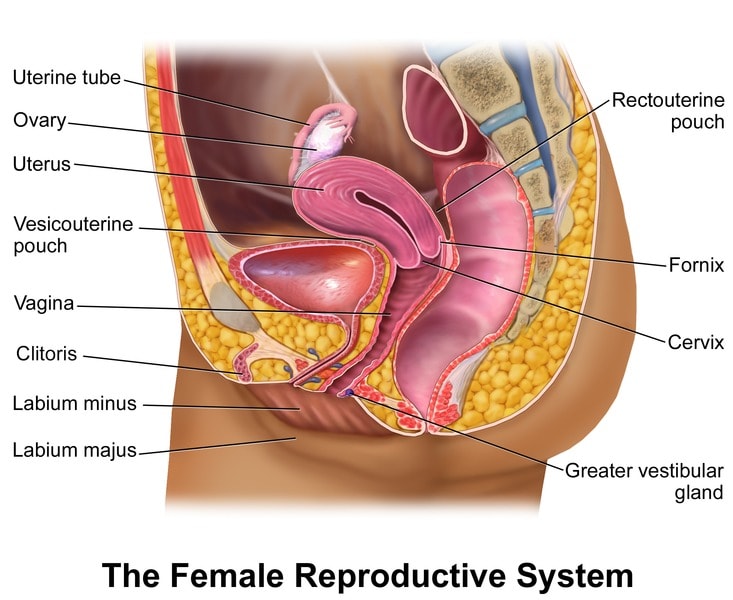
On the outside, we have
Vulva: This includes the labia majora (the outer lips), labia minora (the inner lips), the clitoris, and the vaginal opening. These external parts of the female reproductive system protect everything inside and play a role in sexual function.
On the inside, here is what is going on:
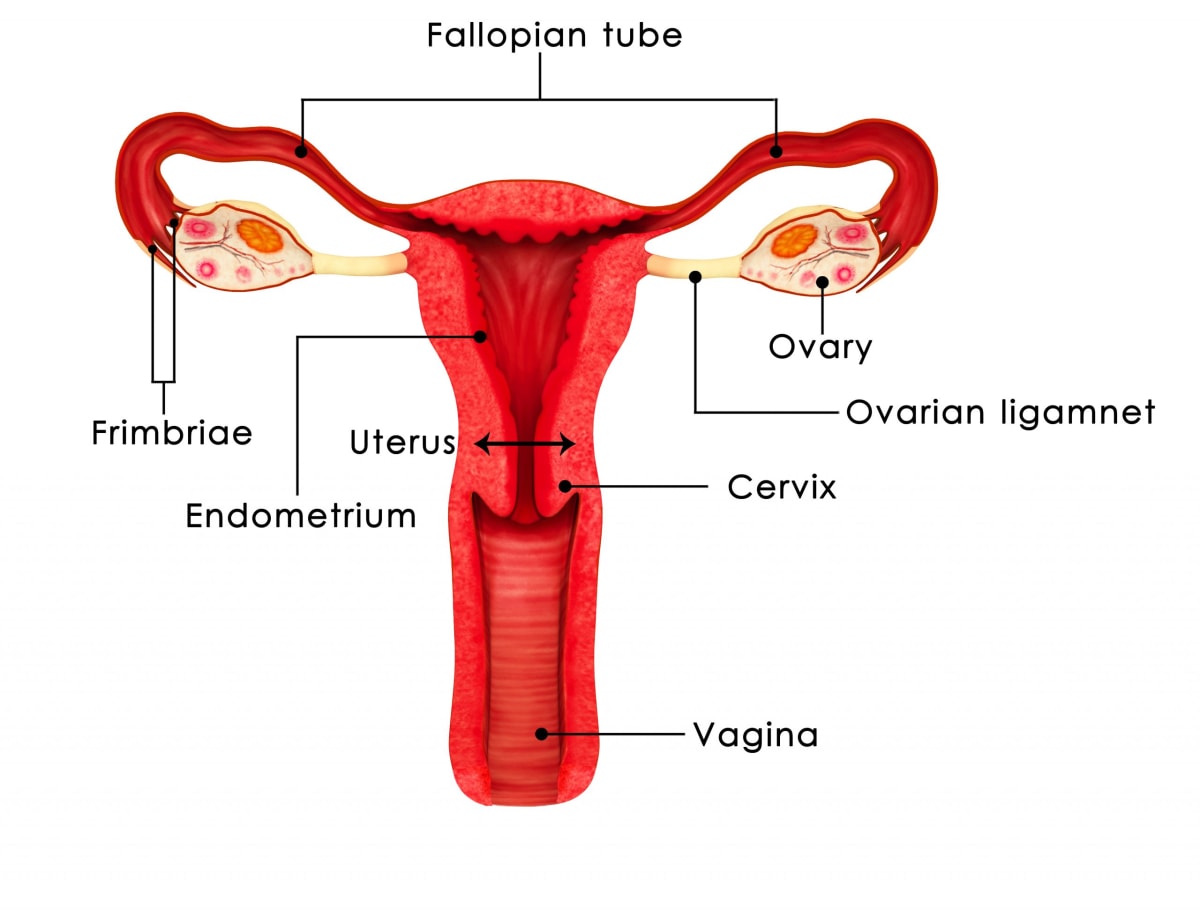
Vagina: A muscular canal that connects the cervix to the outside of the body
Cervix: This is the lower part of the uterus that lets sperm in and menstrual blood out
Uterus: The pear-shaped organ where a baby grows during pregnancy
Fallopian tubes: A narrow passageway that carries eggs from the ovaries toward the uterus
Ovaries: Two small glands responsible for producing eggs and key hormones
They all work collectively like a team. Every organ in the female reproductive system has a specific role. When one part is affected by a condition or imbalance, you tend to feel it in other parts as well. That is just how connected it all is.
Hormones and Their Role.
Okay, hormones. These tiny chemical messengers get a lot of blame, and honestly, sometimes they deserve it. But they are also doing incredibly important work behind the scenes every single day.
Here are the four main female reproductive hormones:
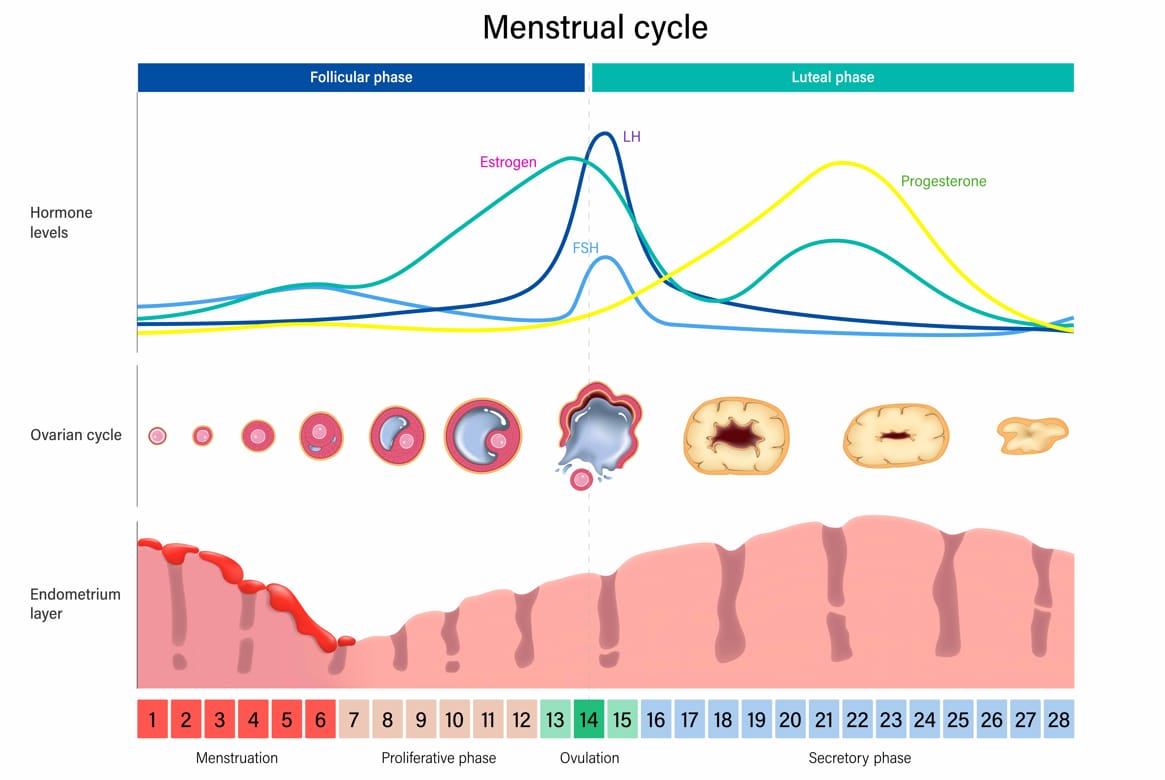
Estrogen is the one most people have heard of. It drives puberty changes like breast development, thickens the uterine lining each month, and affects your bone strength, skin, and even your mood.
Progesterone kicks in after ovulation to prepare the uterus for a possible pregnancy. It also influences your sleep and body temperature, which is why some people feel noticeably different in the second half of their cycle.
FSH (Follicle-Stimulating Hormone) sends a signal to the ovaries to grow and mature an egg each cycle.
LH (Luteinizing Hormone) is the one that actually triggers ovulation, the moment a mature egg gets released.
These four do not work alone. Your brain, specifically the hypothalamus and pituitary gland, is quietly managing the whole operation through a feedback system. Estrogen goes up, the brain adjusts. It drops, the brain responds again. It is happening on a loop, every single month.
When everything is balanced, your cycle flows the way it should. When something throws it off, whether that is stress, illness, poor sleep, or a condition like PCOS, you will usually notice. Irregular periods, mood swings, unusual fatigue. Your body is trying to tell you something. And when it comes to menstrual health, paying attention to those signals early makes all the difference.
Menstrual Cycle Basics.
A lot of women grew up thinking their period and their menstrual cycle are the same thing. They are not. Your period is just one part of a much bigger monthly process, and menstrual health is about understanding that whole picture.
A normal cycle lasts from 21 to 35 days, starting from the first day of bleeding. Let me break down what actually happens throughout:
Menstrual phase (days 1 to 7): The uterine lining sheds. This is your period. Hormone levels are at their lowest here.
Follicular phase (days 1 to 13): FSH encourages follicle growth in the ovaries. Estrogen starts rising and the uterine lining begins thickening again.
Ovulation (around day 14): LH (Luteinizing Hormone) surges and one egg is released. That egg is only viable for about 24 hours.
Luteal phase (days 15 to 28): Progesterone takes over. If no pregnancy happens, hormone levels drop, and the whole cycle starts over.
Cramps, bloating, breast tenderness, mood swings. These are all pretty common throughout the cycle. Normal, yes. But normal has a limit. If your pain is bad enough to make you miss school, cancel plans, or stay in bed, that is not something to just push through. That is a conversation worth having with a doctor.
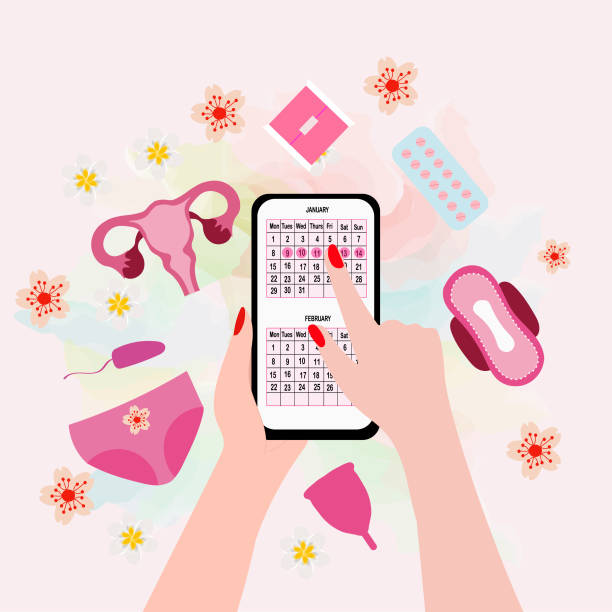
Start tracking your cycle if you have not already. Even a simple calendar works. Good menstrual health starts with knowing what is normal for your body.
Common Female Reproductive Health Problems.
Nobody enjoys thinking about health problems. But knowing what is out there and understanding the most common reproductive health problems is one of the smartest things you can do for yourself.
Endometriosis: This is a condition in which tissue similar to the uterine lining grows outside the uterus, usually on the ovaries or surrounding organs. It causes real pain, including pelvic pain, heavy periods, and sometimes infertility. A lot of people go years without a diagnosis because they have been told severe cramps are just part of being a woman. They are not always. Trust yourself if something feels wrong.
Polycystic Ovary Syndrome (PCOS): This is a hormonal imbalance where the body produces too many androgens. The result can be irregular periods, small cysts on the ovaries, acne, excess hair growth, and a higher risk of developing diabetes. About 1 in 10 people with ovaries have it. The good news is that it responds well to care and lifestyle changes.
Uterine Fibroids: These are noncancerous growths that develop in or on the uterine wall. Some people have them and never know it. Others deal with heavy bleeding, pelvic pressure, or frequent urination. They are more common in Black women and those who are overweight, which is something worth being aware of.
Sexually Transmitted Infections (STIs), like chlamydia, gonorrhea, and HPV pass through sexual contact. Here is the tricky part: many STIs show zero symptoms in women. That is exactly why regular testing matters regardless of how you feel. Left untreated, some STIs can lead to pelvic inflammatory disease and fertility complications in the long run. The HPV vaccine is safe, effective, and worth getting if you have not already.
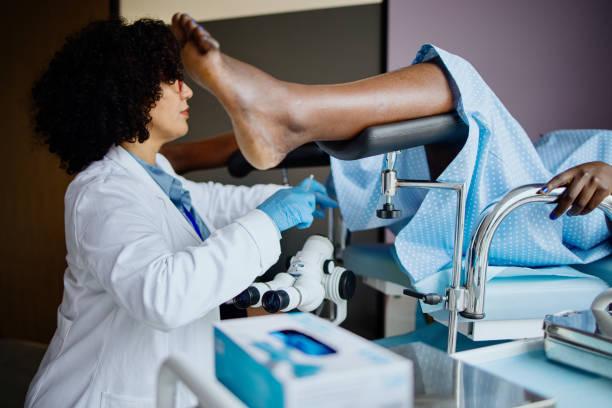
Gynecologic Cancers: This includes cervical, ovarian, and uterine cancers as possibilities. Regular screenings like Pap smears can catch abnormal cells before they even become cancer. That is the power of showing up for your check-ups.
Menstrual Disorders: This could come as very heavy bleeding, unbearable cramps, or periods that suddenly stop altogether, and should never just be accepted as the way it is. They are among the most overlooked reproductive health problems, and they can all point to something that needs real attention.
Most of these conditions are very manageable when caught early. Regular check-ups, vaccinations, and honest conversations with your gynaecologist go a long way.
Importance of Female Reproductive Health
Here are reasons why the importance of reproductive health reaches further than most people realize:
It empowers real choices about pregnancy, contraception, relationships, and sexual health
It saves lives through proper prenatal care and access to medical services
It supports your mental health because hormonal balance is directly connected to mood, focus, energy, and sleep quality
It helps catch reproductive health problems like PCOS and fibroids much earlier, when they are easier to manage
It strengthens families and communities because healthier people show up more fully everywhere they go
Conclusion.
Reproductive health connects to almost every other part of your well-being. Bone density, heart health, weight, emotional stability. It is all linked. Taking it seriously is not being dramatic or overcautious. It is just being smart about your own life.
You do not need to have it all figured out today. Start small. Track your cycle. Ask that question at your next check-up that you have been too embarrassed to bring up. Get vaccinated if you have not. Your body talks to you all the time. The more you understand the female reproductive system and how it works, the better you will be, no matter what stage of life you are in.