What is Food and Nutrition
 Angel Okoli
 Food and nutrition is and essensial part of our physical health, it is the science of how our body uses food for energy, growth, repair and maintenance, involving essential nutrients like proteins, carbs, fats, vitamins, minerals, and water, all crucial for health, development, and preventing disease, requiring a balanced diet for optimal function. What we eat serves as fuel to our bodies, it affects our energy, mood, growth and overall health.
Key Concepts in Food and Nutrition
1. Food
Food is anything we eat or drink that helps keep our body alive and active. They give our body energy and provide important substances needed by our body to grow, heal, and function properly.

2. Nutrients
Nutrients are the helpful substances found in food that the body needs in certain amounts. The nutrients the body requires are grouped into micro and macro nutrients. micro nutrients are nutrition needed in little amount, while macro nutrients are nutrition needed in large amount for the body to function properly. An absence of nutrients leads to medical conditions such as scurvy where vitamin c is low when absent for very long time can lead to death. Some nutrients, like carbohydrates, proteins, and fats, are needed in larger amounts, while others, such as vitamins and minerals, are needed in smaller amounts but all are very much needed
3. Nutrition
Nutrition is how the body takes in food, breaks it down, absorbs the nutrients, and uses them to support everyday activities like breathing, moving, thinking, and growing. It is a critical part of health and development. Better nutrition is related to improved infant, child and maternal health, stronger immune systems, safer pregnancy and childbirth, lower risk of non-communicable diseases (such as diabetes and cardiovascular disease), and longevity. [ who ]
4. Diet
A diet is the collection of foods and drinks a person regularly consumes. A balanced diet includes different types of foods in the right amounts to give the body everything it needs to stay healthy and strong. The World Health Organization (WHO) recommends a balanced diet to prevent malnutrition and non-communicable diseases, emphasizing daily consumption of fruits, vegetables, legumes, nuts, and whole grains. Key guidelines include limiting free sugars to <10% (ideally <5%) of total energy, fat to <30%, and salt to <5g daily.
Why Food and Nutrition Is Important
Food gives the body what it needs to function well. Poor nutrition can lead to tiredness, malnutrition, weak immunity, and long-term health problems.
Importance of good nutrition:
- It produces energy in the body.
- It supports the brain.
- Helps us maintain a healthy weight.
- Supports our immune systems.
- Strengthens bones and muscles.
- Reduces the risk of chronic diseases.
The Major Nutrients Your Body Needs
1. Carbohydrates
Carbohydrates are the body’s main source of energy. They are sugars, starches and fibers that are found in the majority of our foods like rice, potatoes, spaghetti, bread, oats etc.
2. Proteins
Proteins help build and repair muscles, tissues, and cells. They are found in foods like beans, eggs, fish, lean meats, dairy, nuts, and seeds. They do the most work in our cells and are highly essential. Lack of protein leads to illnesses like kwashiorkor.
3. Fats
Healthy fats support brain health, hormones, and vitamin absorption. Sources include avocados, olive oil, nuts, seeds, and fatty fish. We should also avoid trans fats found in processed, fried, and packaged foods, they affect our cholesterol levels, increasing risks of heart diseases.
4. Vitamins and Minerals
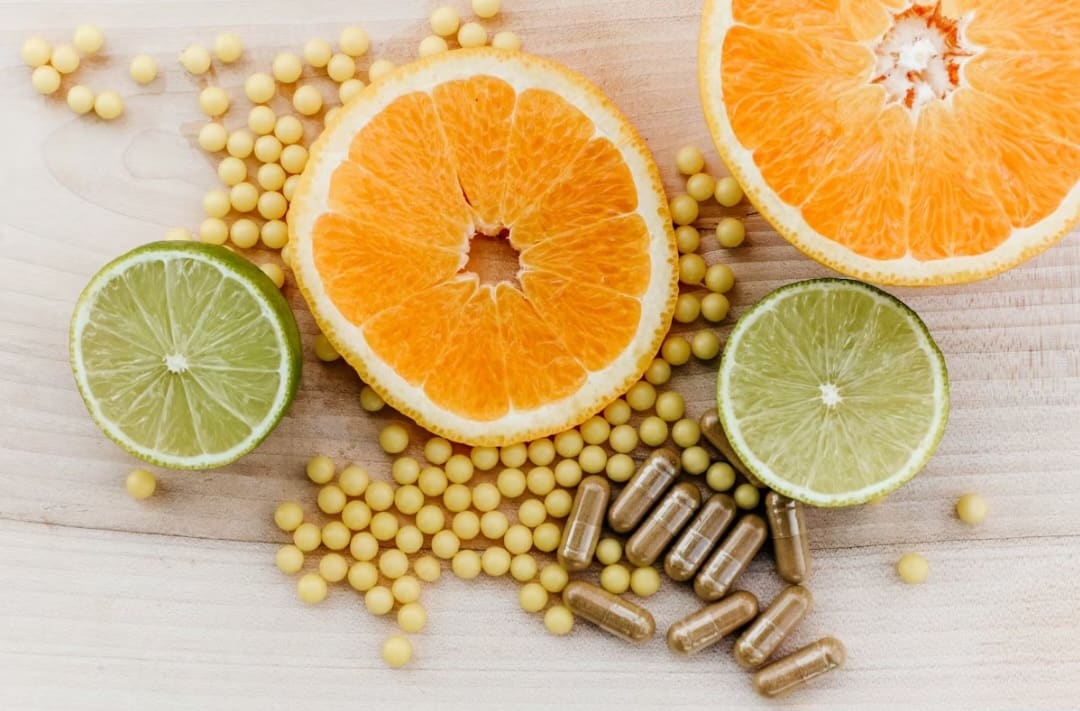
These nutrients help with everything from vision and immunity to bone strength and wound healing. Eating a variety of fruits and vegetables helps you get enough vitamins and minerals. Ideally we are to eat 400g of fruits and vegetables everyday.
5. Water
Hydration is often overlooked, but water is very important. It is essential for digestion, circulation, and temperature control. Drinking enough water helps the body function smoothly. Like we mention in our previous article, for healthy individuals, the average daily water for men is about 15.5 cups and for women about 11.5 cups daily.

Food and Nutrition at Different Life Stages
Our nutritional needs change throughout life as our bodies grow, develop, and age. Eating the right foods at each stage helps support health, energy, and overall well-being.
• Children and Teenagers
Growing bodies and developing brains need plenty of nutrients. A balanced diet helps support physical growth, learning, strong bones, and a healthy immune system during these important years. This is a period of rapid growth and learning, so the body needs plenty of nourishing foods.
Foods needed most:
Protein foods (eggs, beans, fish, lean meat) for growth.
Calcium-rich foods (milk, yogurt, leafy greens) for strong bones and teeth.
Whole grains for energy.
Fruits and vegetables for vitamins and immunity.
• Adults
Adults need well-balanced meals to maintain energy, manage stress, and prevent long-term health problems. Proper nutrition supports muscle strength, heart health, and the overall daily performance.
Foods needed most for adults:
Whole grains for steady energy.
Lean proteins for muscle repair.
Healthy fats (nuts, seeds, olive oil) for heart health.
Fruits and vegetables for disease protection.
• Older Adults
As the body ages, metabolism slows and nutrient absorption may change. Avoid very salty foods, sugary snacks and heavy foods at this stage.
Foods needed most:
Protein to prevent muscle loss.
Calcium and vitamin D for bone strength.
Fiber-rich foods for digestion.
Plenty of water for hydration.
Simple Tips for Better Food and Nutrition
- Stay hydrated with lots of water.
- Reduce excess junk food intake.
- Choosing whole foods when possible.
- Eat at least 400 g (5 portions) of fruits and vegetables every day.
- Eat a variety of foods, whole grains, legumes, and lean proteins.
- Limit salt, highly processed foods, excess sugar, and unhealthy fats
- Listen to your body’s hunger and fullness signals
- Seek guidance from a healthcare professional if you have specific dietary needs.
Make sure your food choices meet your personal needs. Everyone’s body is different, and nutrition should be based on factors like your age, any health conditions, or existing diseases.
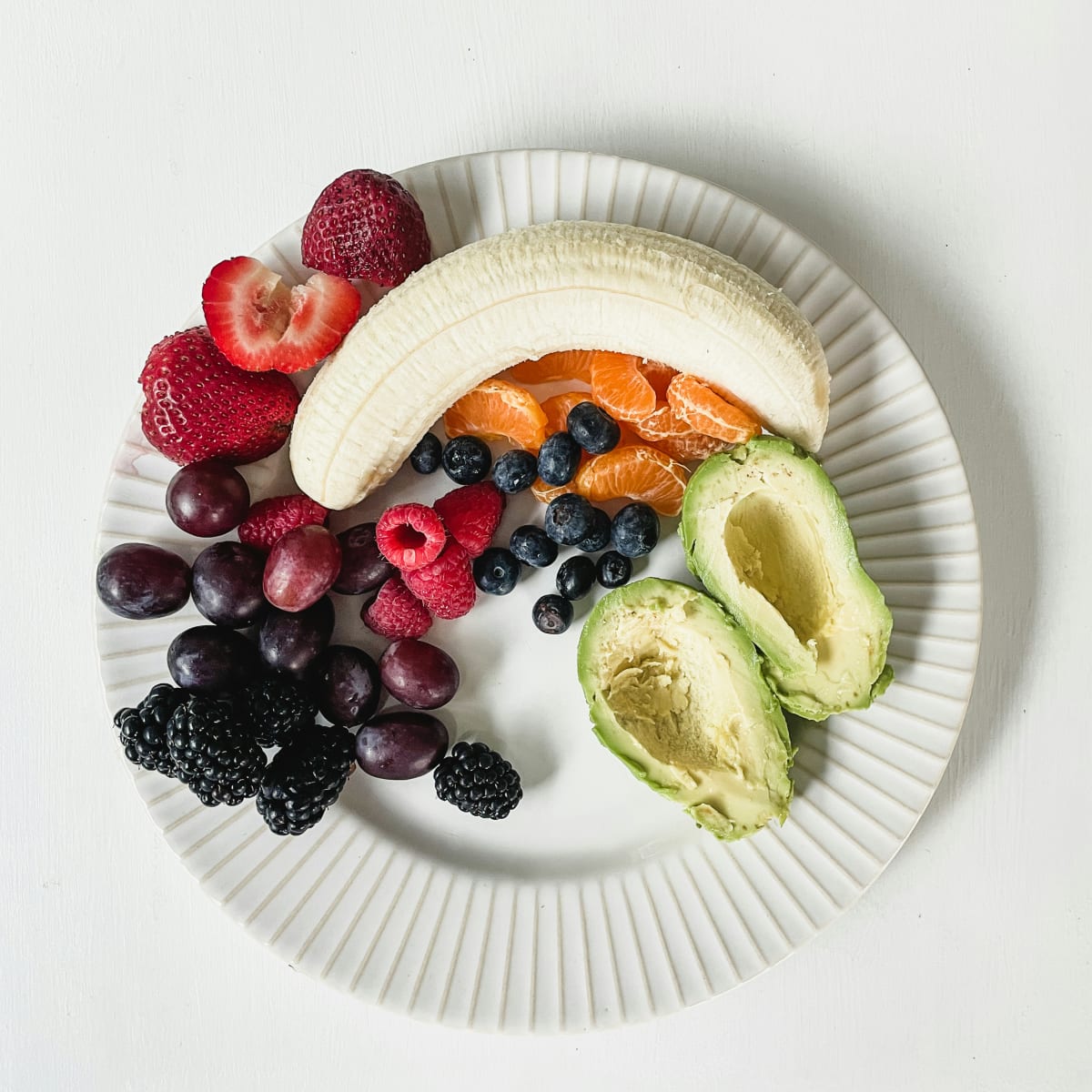
Photo credits
Thumbnail: Mohanad Karawanchy
Food: Louis Hansel
Vitamins and minerals: Madara
Water: Bluewater Sweden
Fruits: Debby Hudson
All images were obtained from unsplash.