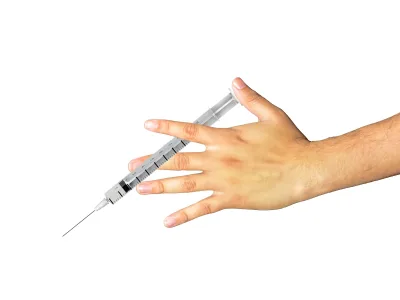
Best Diet for High Blood Pressure: Foods That Can Help Lower Blood Pressure
 Richard Ryanne Ugbedeojo
 Best Diet for High Blood Pressure
Many people do not realize they have high blood pressure until it starts causing serious health problems. That’s the reason why some people call it the ‘silent killer’. High blood pressure can quietly damage the body over time without showing obvious symptoms.
The good news is that healthy lifestyle changes, especially better eating habits, can help manage blood pressure naturally and support overall heart health. Choosing the right foods may help reduce the risk of complications and improve your well-being in the long run.
What is High Blood Pressure
High blood pressure, also known as hypertension, is a common condition that affects the arteries and forces the heart to work harder than normal to pump blood around the body.
One of the dangerous things about high blood pressure is that many people may have it for years without noticing any obvious symptoms.
If left untreated, it can increase the risk of serious health problems such as heart attacks, stroke, heart disease and affect other important organs.
How your Diet Affects your Blood Pressure
What you eat plays a major role in your blood pressure and overall heart health. Diets that contain too much salt, sugar, unhealthy fats, and heavily processed foods can increase blood pressure over time.
Eating too much sodium may cause your body to hold extra fluid, which puts more pressure on your blood vessels. On the other hand, eating foods rich in potassium, fiber, and healthy nutrients can help relax your blood vessels and support healthy blood circulation.
This is why health experts recommend the DASH (Dietary approaches to stop hypertension) diet for people trying to manage high blood pressure naturally.
Here are Foods That Can Help Lower Blood Pressure
Fruits
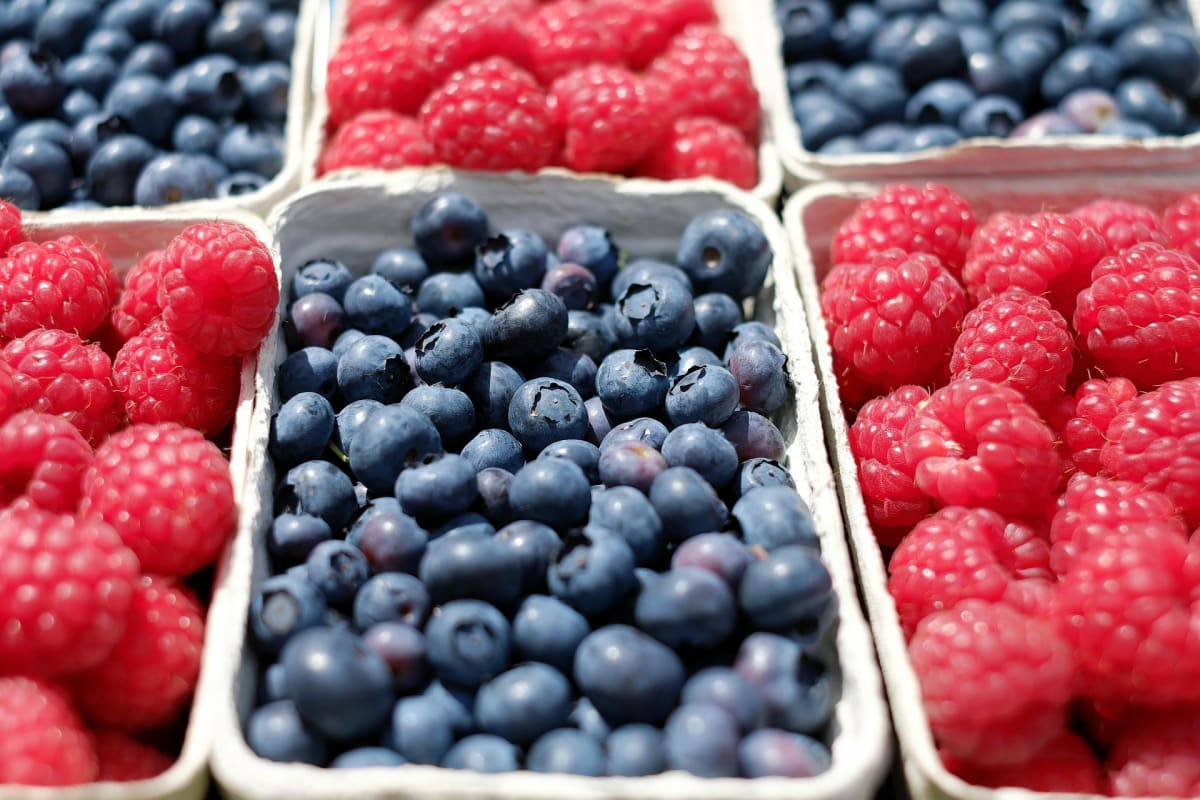
Studies show that citrus fruits help lower blood pressure but other fruits like
>Avocados
>Grapefruits
>Kiwis
>Berries
Fruits like these provide vitamin C, magnesium, potassium and fiber which have been shown to lower blood pressure and improve overall health.
Vegetables
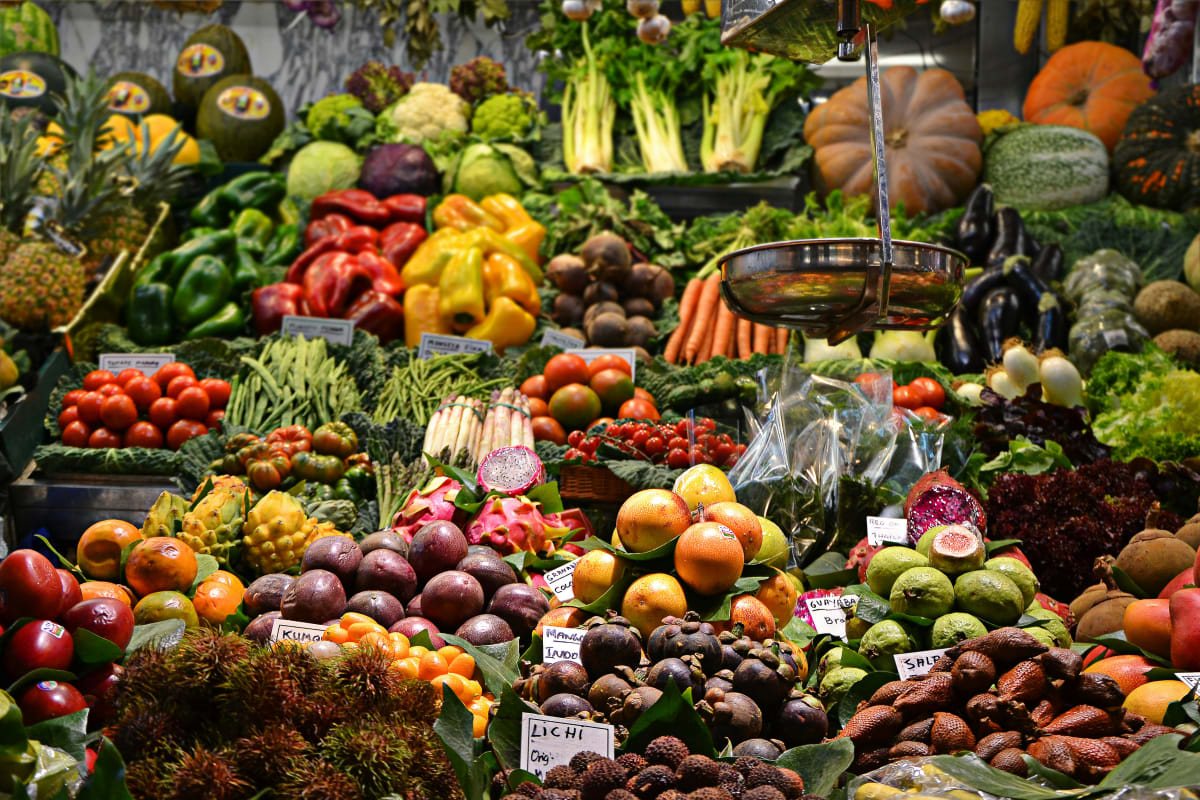
Vegetables play a very important role in maintaining healthy blood pressure because they contain nutrients like potassium, magnesium, fiber and antioxidants that support heart health.
Leafy greens such as spinach, kale, and other dark green vegetables may help the body balance sodium levels. Other vegetables like broccoli, carrots, tomatoes, beetroot, garlic, and peppers can also support healthy blood pressure when eaten regularly.
Adding more vegetables to your meals does not have to be complicated. Simple changes like including vegetables in your soups, salads, rice dishes, or smoothies can make a difference over time.
Nuts and Seeds
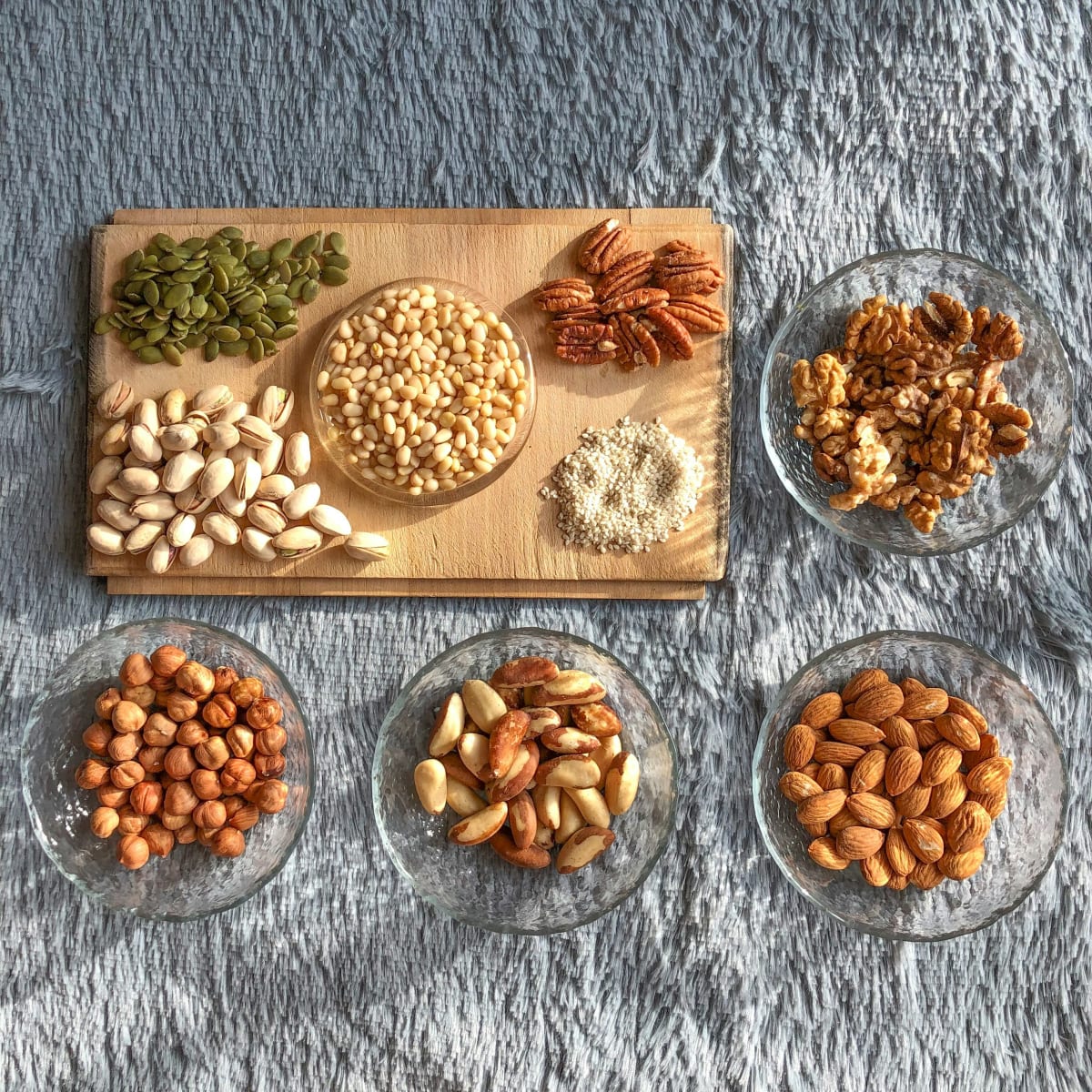
Nuts and seeds can also support healthy blood pressure when included as part of your diet. They contain important nutrients, healthy fats, potassium, fiber and plant protein.
Foods such as Almonds, Chia seeds, Walnuts, Sunflower seeds, Flax seeds, Peanuts may help the body relax blood vessels.
Health experts say, ‘the fiber and healthy fats found in nuts and seeds keep inflammation at minimum, blood sugars in check and your body trim.’
Adding small amounts of nuts or seeds to your meals or snacks can be a simple way to improve your diet naturally. You can add them to smoothies, yogurt, oatmeal or salads for extra nutrients and crunch.
Oils
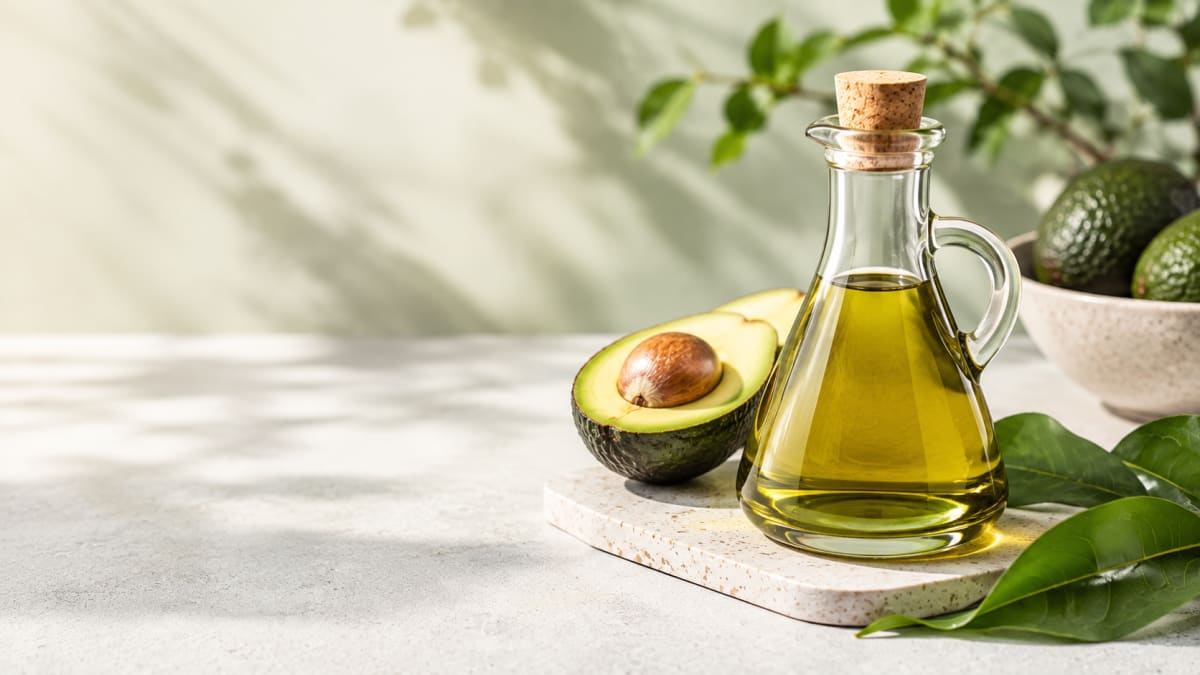
Plant-based oils that contain fat-soluble vitamins and antioxidants may help lower your blood pressure. Oils such as Avocado oil, Canola oil, and Extra virgin olive oil can benefit the body when used in moderation.
Using healthier oils while cooking can also reduce the need for excess salt, heavy sauces, or processed dressings, which may help support better blood pressure control over time.
Dairy Products
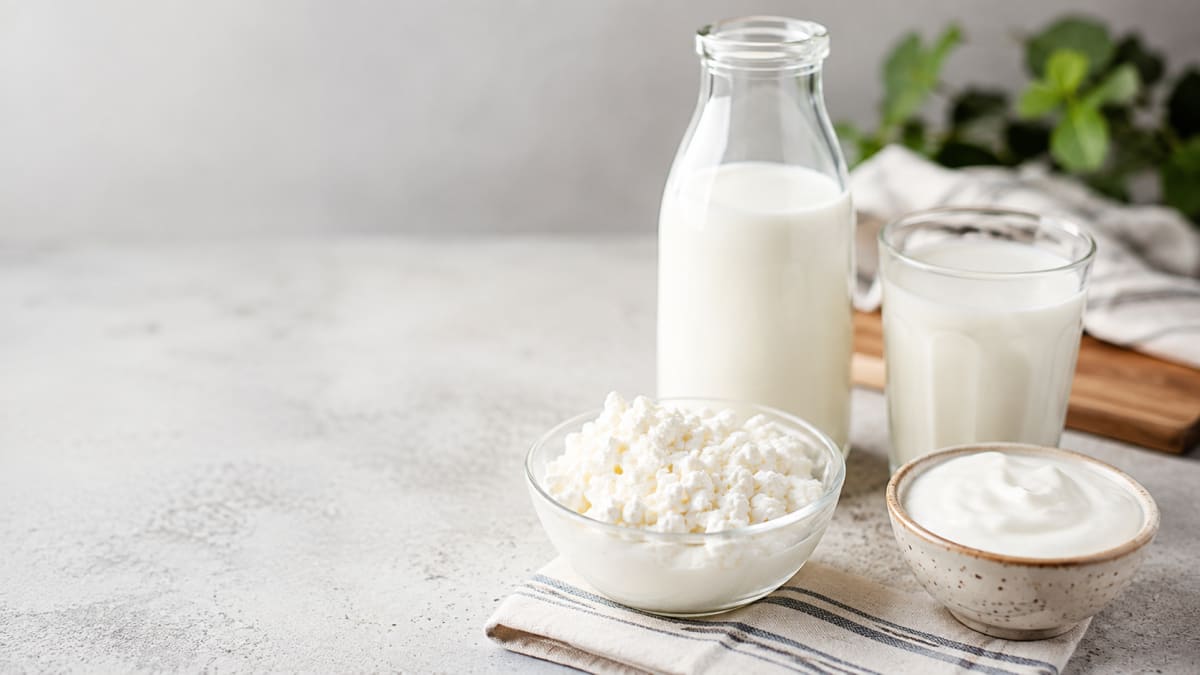
Dairy products can also help to lower blood pressure because they contain important nutrients like calcium and potassium, which help the blood vessels function properly. The calcium found in dairy helps the blood vessels constrict and relax.
Foods such as milk, cheese and cottage cheese may help support heart health when consumed in moderate amounts, especially low-fats opinions. Some studies show that regularly eating yogurt may have positive effects on blood pressure levels.
Fatty Fish
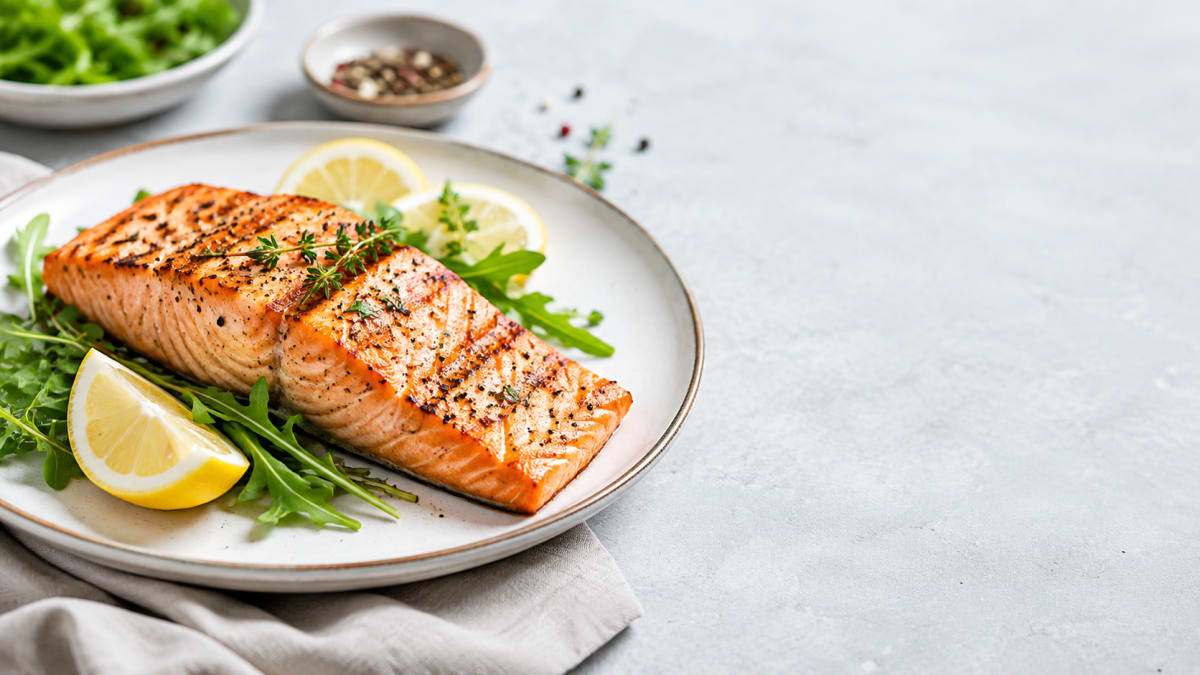
Fatty fish are rich in Omega-3 fatty acids, healthy fats that may help lower blood pressure and support overall heart health.
Fish such as salmon, mackerel, trout, and halibut may help reduce inflammation and improve blood circulation when included regularly in a balanced diet.
Adding fatty fish to your meals a few times a week can be a healthier alternative to heavily processed or high-fat meat options.
Lean Proteins
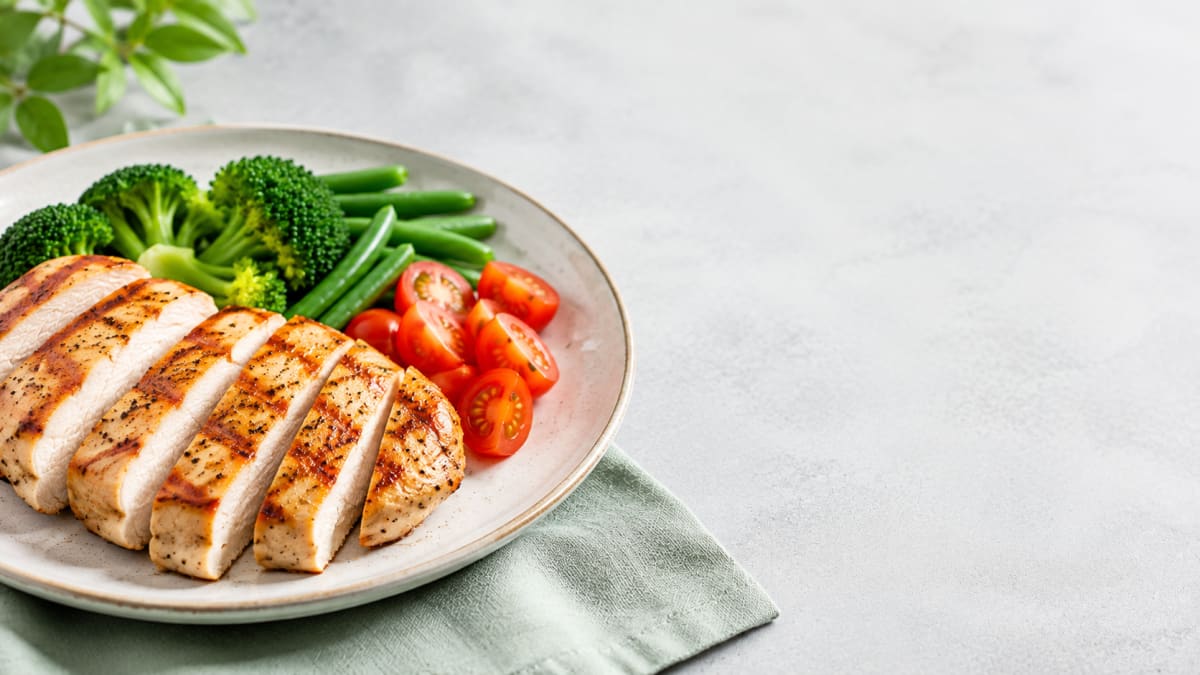
Lean proteins are important for overall health because they help the body build and repair tissues without adding too much unhealthy fat to the diet.
Foods such as chicken, turkey, fish, lean beef, and pork tenderloin provide protein and important nutrients that support muscle health, weight management, and heart health.
Compared to heavily processed or fatty meats, lean protein options are generally healthier choices for people trying to manage their blood pressure and maintain a balanced diet.
Other Lifestyle Habits That Help
Diet is important, but lifestyle habits also play a major role in controlling blood pressure naturally. Regular exercise, stress management, staying hydrated, getting enough sleep, and maintaining a healthy weight can all positively affect heart health.
Managing blood pressure is not only about avoiding unhealthy foods but also about building healthier daily habits that support the body over time.
Conclusion
The goal is not perfection but consistency. Making healthier choices daily can go a long way in protecting your heart and improving your quality of life.
Eating whole foods is more beneficial than relying on supplements, and habits like regular exercise, stress management, and reducing salt intake can all support healthy blood pressure levels.