How Social Media Affects Mental Health: Effects, Risks, and What You Should Know
 Ezugwu Pauline
 How Social Media Affects Mental Health: Effects, Risks, and What You Should Know
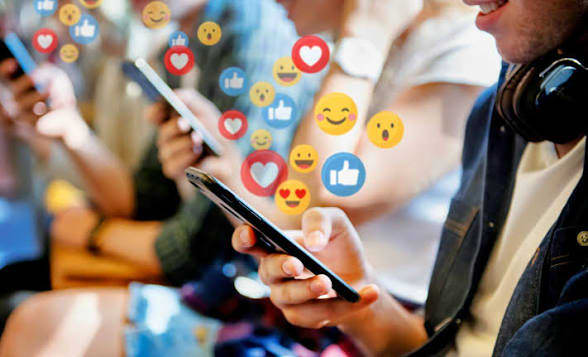
Social media has become part of everyday life. Many people wake up and immediately check apps like Facebook, Instagram, TikTok, X, and especially Whatsapp. Social media helps people connect, learn new things, advertise businesses, and stay informed about what is happening around the world. However, while social media has many benefits, it also affects mental health in serious ways. Many young people and adults now struggle with anxiety, depression, loneliness, low self-esteem, sleep problems, and emotional stress linked to social media use.
Social media itself is not completely bad. The real issue is how it is used, how often it is used, and how it affects emotions and behavior. Some people use it positively to learn skills, make money, or stay connected with loved ones. Others become addicted to it and begin comparing themselves with unrealistic lifestyles online. Today, many people feel pressure to look perfect, live a flashy life, or constantly seek online approval through likes, comments, and followers. This pressure can slowly damage confidence and emotional stability, especially among teenagers and young adults.
KEY FACTS
1. Social media can affect emotions positively and negatively
Social media can help people feel connected, entertained, and informed. But too much exposure can also increase stress, sadness, jealousy, and loneliness.
2. Comparison culture is one of the biggest dangers
People often post only the best parts of their lives online. Seeing luxury lifestyles, perfect bodies, expensive vacations, and “successful” relationships can make others feel inadequate or unsuccessful.
3. Social media addiction is real
Many people spend hours scrolling without realizing how much time has passed. Some feel restless or anxious when they are away from their phones.
4. Cyberbullying damages mental health
Insults, online harassment, body shaming, and trolling can deeply affect confidence and emotional well-being, especially among teenagers.
5. Poor sleep is linked to excessive social media use
Many people stay awake late at night watching videos or chatting online. Lack of sleep can increase stress, anxiety, mood swings, and depression.
6. Social media affects self-esteem
Filters and edited photos can create unrealistic beauty standards. Some people begin to dislike their appearance because they compare themselves with heavily edited images online.
7. Mental health problems can affect physical health
Stress caused by social media may lead to headaches, fatigue, poor concentration, increased blood pressure, overeating, or loss of appetite.
STATISTICS
1. Young people spend several hours daily on social media
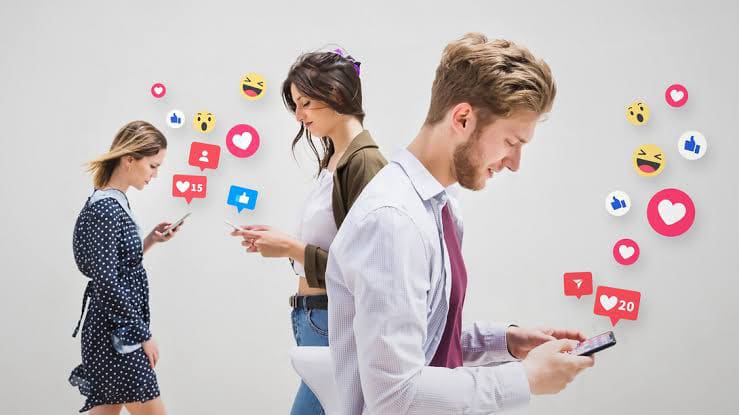
Research from the Pew Research Center shows that teenagers and young adults spend many hours every day on social media platforms, especially video-based apps.
2. Depression and anxiety are increasing among heavy users
According to the World Health Organization (WHO), anxiety and depression are becoming more common globally, especially among young people exposed to online stress, bullying, and social pressure.
3. Cyberbullying affects millions of teenagers
Studies published by the UNICEF report that many young people worldwide have experienced online bullying or harassment.
4. Sleep problems are linked with late-night phone use
The National Sleep Foundation explains that screen exposure before bedtime affects sleep quality and emotional health.
5. Nigeria has millions of active social media users
Reports from DataReportal show that Nigeria has tens of millions of social media users, especially among youths between ages 18 and 34.
CAUSES
1. Constant Comparison
Many people compare their real lives to the edited online lives of influencers and celebrities. Someone may see luxury cars, expensive clothes, or “perfect” relationships online and begin to feel unhappy with their own life.
2. Addiction to Validation
Some users depend on likes, comments, shares, and followers for happiness. When posts do not receive enough attention, they may feel rejected or unimportant.
3. Fear of Missing Out (FOMO)
FOMO happens when people feel anxious because they think others are having more fun or living better lives than them. This feeling pushes many people to stay online constantly.
4. Cyberbullying and Online Harassment
Negative comments, trolling, fake rumors, and public embarrassment online can seriously affect mental health.
5. Unrealistic Beauty Standards
Filters, editing apps, and cosmetic trends make many users feel insecure about their appearance. This is common among teenagers and young women.
6. Too Much Screen Time
Excessive scrolling reduces physical activity, face-to-face interaction, and healthy sleep patterns.
7. Exposure to Negative News
Social media spreads bad news quickly. Constant exposure to violence, economic hardship, disasters, and disturbing content can increase anxiety and emotional exhaustion.
SYMPTOMS
People affected mentally by social media may show the following signs:
Emotional Symptoms
Constant sadness
Anxiety or panic
Feeling lonely despite being online
Low self-esteem
Jealousy
Mood swings
Irritability
Behavioral Symptoms
Spending too much time online
Ignoring school, work, or responsibilities
Constantly checking notifications
Difficulty staying offline
Social withdrawal in real life
Physical Symptoms
Headaches
Eye strain
Poor sleep
Fatigue
Lack of concentration
Changes in appetite
Academic and Work Problems
Reduced productivity
Poor concentration during studies
Lack of motivation
Declining academic performance
RISK FACTORS
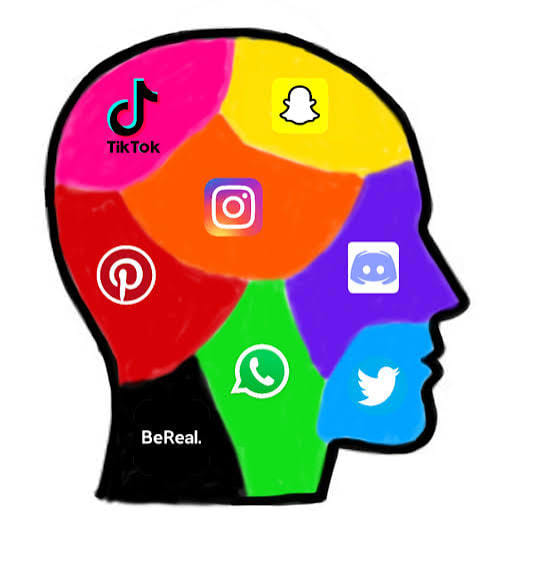
Certain people are more vulnerable to the negative effects of social media.
1. Teenagers and Young Adults
Young people are still developing emotionally. They are more affected by peer pressure, cyberbullying, and online trends.
2. People with Low Self-Esteem
Individuals who already struggle with confidence may become emotionally dependent on online approval.
3. Lonely or Isolated Individuals
People who lack strong social support may rely too heavily on online relationships.
4. People Experiencing Stress
Financial hardship, relationship problems, academic stress, or unemployment can increase emotional vulnerability online.
5. Influencer Pressure
Content creators may experience stress from constantly posting, maintaining engagement, and meeting audience expectations.
6. Poor Digital Boundaries
People who use phones late at night or spend most of their free time online are at higher risk of mental exhaustion.
INSIGHT
Many people assume that chatting online reduces loneliness. Surprisingly, research shows that excessive social media use can actually increase feelings of isolation.
Why? Because online interaction is different from real human connection. A person may have thousands of followers and still feel emotionally empty.Seeing other people’s “happy moments” every day may also create the false belief that everyone else is succeeding except you. Over time, this can damage self-worth.
Anher surprising fact is that many influencers themselves struggle with anxiety, depression, and burnout. Some spend large amounts of time editing photos or trying to maintain a perfect image online. This shows that social media pressure affects both viewers and creators.
LOCAL RELEVANCE (Nigeria / Africa angle)
Social media has become extremely popular among young people in Nigeria and across Africa. It influences fashion, business, relationships, politics, entertainment, and even career choices.
1. Pressure to “Blow”
In Nigeria, many youths feel pressured to become rich quickly after seeing influencers displaying luxury lifestyles online. This can create frustration, depression, and feelings of failure among young people who are struggling financially.
2. Online Validation Culture
Many Nigerian youths now measure success through followers, views, and online popularity. Some become emotionally dependent on viral content and online attention.
3. Cyberbullying and Trolling
African celebrities, students, and ordinary users often experience online insults, body shaming, and harassment. This can damage confidence and mental peace.
4. Relationship Problems
Social media has also affected relationships and marriages. Issues such as jealousy, online cheating, and unrealistic expectations are becoming more common.
5. Academic Distraction
Many students spend more time on short videos and trends than on studying. Excessive screen time affects concentration and productivity.
6. Positive Side in Africa
Despite the risks, social media has also helped many Africans:
Small businesses now reach customers online
Young creators earn money through content creation
Health awareness spreads faster
People learn skills online
Social movements gain attention quickly
WHAT PEOPLE SHOULD KNOW
1. Social media is not real life
Most people only post their best moments online. Comparing your everyday life with someone’s edited highlights is unhealthy.
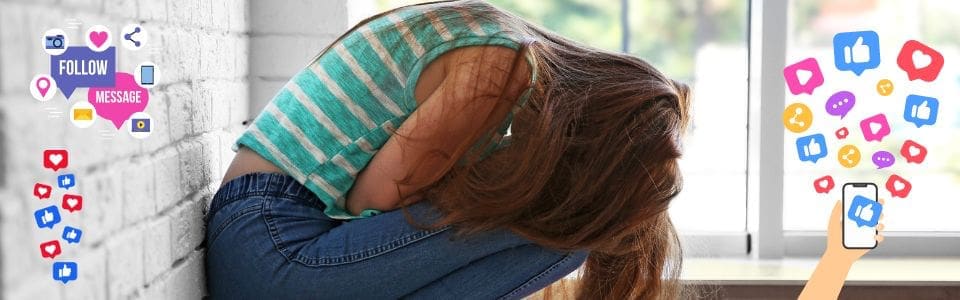
2. Protect your mental health
Take breaks from social media regularly. Spend time with family, friends, hobbies, exercise, and real-life activities.
3. Limit screen time
Avoid staying online for many hours continuously, especially late at night.
4. Be careful what you consume
Follow pages and people that inspire, educate, and motivate you positively.
5. Speak up if struggling
If social media is affecting your emotions seriously, talk to someone you trust or seek professional help.
6. Your worth is not measured by followers
Likes and comments do not determine intelligence, beauty, success, or value as a person.
CONCLUSION
Social media is one of the most powerful tools of this generation. It can educate, entertain, connect people, and create opportunities. However, when used excessively or carelessly, it can also damage mental health. Anxiety, depression, loneliness, sleep problems, and low self-esteem are becoming more common because of online pressure and unrealistic expectations. Teenagers and young adults are especially vulnerable.
In Nigeria and across Africa, social media continues to shape how young people think about success, beauty, relationships, and self-worth. While it has opened doors for business and creativity, it has also increased emotional pressure among many users. The most important lesson is balance. Social media should be a tool that improves life, not something that controls emotions and mental peace. Healthy boundaries, self-awareness, and real human connection are important for protecting mental health in the digital age.
You can learn more by looking up more topics on mental Health