How to Support and Communicate With an Autistic Loved One
 Ezugwu Pauline
 How to Support and Communicate With an Autistic Loved One
INTRODUCTION
In many African societies, including Nigeria, autism is still poorly understood. Some families hide autistic children because of fear, shame, or wrong beliefs. This lack of awareness can prevent children from getting help early. Education about autism is therefore very important.
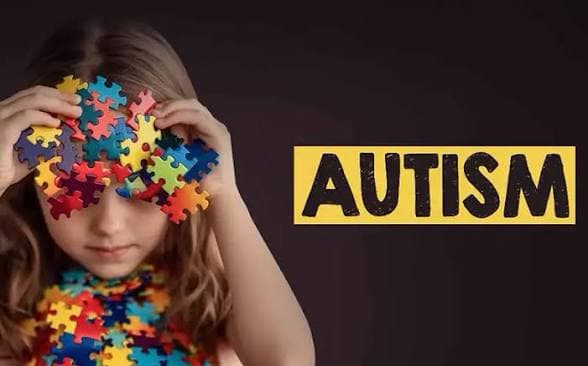
Autism, also called Autism Spectrum Disorder (ASD), is a condition that affects how a person communicates, behaves, learns, and interacts with others. Autism is not a disease or a spiritual problem. It is a different way the brain works. Many autistic people can live happy, successful, and meaningful lives when they receive love, understanding, and proper support from family and society.
Supporting an autistic loved one can sometimes feel confusing, especially for parents, siblings, spouses, teachers, or friends who do not fully understand autism. Some autistic people may struggle with speech, eye contact, social interaction, or changes in routine. Others may be very intelligent but still find communication difficult. Every autistic person is different, which is why autism is called a “spectrum.”
Good communication is one of the most important ways to support an autistic loved one. Many autistic people feel misunderstood because others expect them to behave like everyone else. Instead of trying to “fix” them, families should focus on understanding their needs, strengths, emotions, and communication style.
KEY FACTS
Autism Spectrum Disorder (ASD) affects communication, behavior, and social interaction.
Autism is not caused by bad parenting or spiritual attacks.
Autism can affect both children and adults.
Some autistic people speak fluently, while others may speak little or not at all.
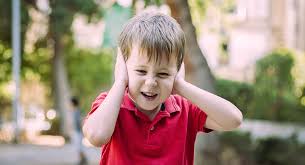
Many autistic people are sensitive to sounds, light, touch, smell, or crowded places.
Autism is lifelong, but support and therapy can improve quality of life.
Early support helps autistic children develop communication and life skills.
Some autistic individuals have special talents in art, music, mathematics, memory, or technology.
Autism exists in all countries, races, and social classes.
Respect, patience, and understanding are essential when communicating with autistic people.
STATISTICS
According to the World Health Organisation, about 1 in every 100 children worldwide has autism. However, experts believe the real number may be higher because many children remain undiagnosed.
The Centers for Disease Control and Prevention in the United States reported in 2024 that about 1 in 36 children is identified with autism.
Research in Africa suggests that many autism cases are not properly recorded because of low awareness, shortage of specialists, and social stigma. In Nigeria, experts believe thousands of autistic children are still undiagnosed or misunderstood.
CAUSES
Scientists do not know one exact cause of autism. Research shows that autism develops from a combination of genetic and environmental factors.
1. Genetic Factors
Genes play a major role in autism. Autism sometimes runs in families. A child may inherit certain genes that affect brain development and communication.
2. Brain Development Differences
Research shows that autistic brains may develop differently from non-autistic brains. This can affect how the person processes information, emotions, sounds, and social interactions.
3. Pregnancy and Birth Factors
Certain conditions during pregnancy or birth may slightly increase the risk of autism, such as:
Premature birth
Low birth weight
Older parental age
Exposure to serious infections during pregnancy
4. Environmental Factors
Environmental influences may also contribute, especially when combined with genetic factors. Scientists are still studying this area.
Important Note
Vaccines do NOT cause autism. Many scientific studies around the world have proven that vaccines are safe and are not responsible for autism.
SYMPTOMS
Autism symptoms vary from person to person. Some signs appear in early childhood, while others become more noticeable later.
1. Communication Difficulties
An autistic person may:
Speak late
Repeat words or phrases
Avoid eye contact
Struggle to express emotions
Find conversations difficult
2. Social Challenges
They may:
Prefer being alone
Find it hard to understand social rules
Have difficulty making friends
Avoid physical touch sometimes
3. Repetitive Behaviors
Common repetitive behaviors include:
Hand flapping
Rocking back and forth
Repeating routines
Lining up objects
4. Sensory Sensitivity
Many autistic people are sensitive to:
Loud sounds
Bright lights
Certain textures
Strong smells
5. Emotional Reactions
Autistic individuals may experience:
Anxiety
Frustration
Meltdowns during stress
Difficulty managing sudden change
6. Special Interests
Some autistic people develop deep interest in specific topics such as:
Music
Numbers
Maps
Drawing
Computers
Animals
RISK FACTORS
Certain factors may increase the likelihood of autism, although they do not directly “cause” it.
Family History
Having a family member with autism increases the chance slightly.
Premature Birth
Babies born too early may have a higher risk.
Older Parents
Research suggests that children born to older parents may have increased autism risk.
Genetic Conditions
Certain genetic conditions such as Fragile X syndrome may be linked with autism.
Limited Access to Early Healthcare
In many African countries, poor healthcare access delays diagnosis and support.
HOW TO SUPPORT AN AUTISTIC LOVED ONE
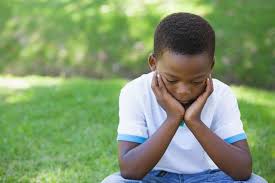
1. Learn About Autism
Understanding autism helps families become more patient and supportive. Read reliable information and ask professionals questions.
2. Accept Them for Who They Are
Do not constantly compare autistic people to others. Acceptance builds confidence and emotional safety.
3. Be Patient During Communication
Some autistic people need extra time to process information. Speak calmly and avoid rushing them.
Instead of: “You never listen!”
Say: “Take your time. I’m listening.”
4. Use Simple and Clear Language
Avoid confusing instructions or sarcasm.
Instead of: “Can you stop behaving strangely?”
Say: “Please sit down quietly.”
5. Respect Their Sensory Needs
Crowded places, loud music, or strong smells can overwhelm autistic people. Notice what makes them uncomfortable.
6. Keep Predictable Routines
Many autistic individuals feel safer with routines. Sudden changes may create anxiety.
7. Celebrate Small Progress
Praise efforts, not only big achievements. Small improvements matter greatly.
8. Avoid Harsh Punishment
Meltdowns are not always bad behavior. Sometimes the person is overwhelmed emotionally or physically.
9. Encourage Their Strengths
Support talents and interests. Many autistic individuals succeed greatly when their abilities are encouraged.
10. Seek Professional Help
Speech therapists, occupational therapists, psychologists, and special educators can provide helpful support.
HOW TO COMMUNICATE BETTER WITH AN AUTISTIC LOVED ONE
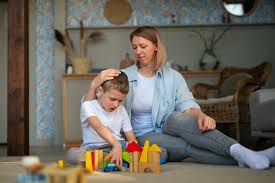
Listen Carefully
Some autistic people communicate differently. They may use gestures, writing, facial expressions, or devices instead of speech.
Give Processing Time
After asking a question, wait patiently for a response.
Stay Calm During Emotional Moments
If the person becomes overwhelmed:
Lower your voice
Reduce noise
Give them space if needed
Avoid shouting
Avoid Judgment
Do not call them stubborn, weird, or disrespectful.
Use Visual Support
Pictures, routines, or written schedules can help communication.
Focus on Understanding
Communication is not only about talking. It is also about understanding feelings and needs.
INSIGHT
One surprising fact about autism is that many autistic people feel emotions very deeply, even if they do not express them in typical ways.
Some people wrongly believe autistic individuals do not care about others. In reality, many autistic people experience strong love, empathy, and emotional connection. They may simply show it differently.
Another surprising insight is that some autistic individuals are extremely talented in certain areas. Famous scientists, artists, musicians, and technology experts are believed to have shown autistic traits.
Autism is not only about challenges. Many autistic people have:
Strong memory
Attention to detail
Creativity
Honesty
Deep focus
Society often focuses only on limitations instead of strengths
LOCAL RELEVANCE (Nigeria / Africa Angle)
In Nigeria and many African countries, autism awareness is still growing. Unfortunately, many families face stigma and misunderstanding. Some communities wrongly believe autism is caused by:
Witchcraft
Spiritual attacks
Family curses
Bad parenting
Because of these beliefs, some parents hide autistic children or avoid seeking medical help. There is also shortage of:
Autism specialists
Speech therapists
Special education centers
Affordable therapy services
Many schools are not properly prepared to support autistic children. Some children are bullied or excluded because people do not understand their behavior.
However, awareness is improving gradually through healthcare campaigns, social media, schools, and autism advocacy groups across Africa.
Nigerian families are beginning to speak openly about autism and seek professional help earlier than before.
Religious institutions, schools, healthcare workers, and media organizations can help reduce stigma by educating the public. Communities should:
Support inclusive education
Encourage early diagnosis
Protect autistic children from discrimination
Provide emotional support to families
African culture strongly values family and community. This can become a great strength when families choose compassion instead of shame.
Conclusion
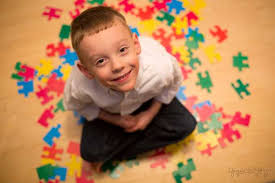
Supporting and communicating with an autistic loved one requires patience, compassion, and understanding. Autism is not a punishment or failure. It is a different way of experiencing the world. Autistic individuals deserve respect, dignity, friendship, education, and opportunities like everyone else. Families play a major role in helping them feel safe and accepted.
Society must move away from stigma and misinformation. With better awareness, early support, and inclusive communities, autistic individuals can thrive and contribute meaningfully to society. The most important thing an autistic loved one needs is not pity, but understanding, acceptance, and genuine love.
You can also read more on “How Social Media Affects Mental Health: Effects, Risks, and What You Should Know.