Malaria Drugs and Your Liver: The Warning Signs Most People Miss
 Richard Ryanne Ugbedeojo
 Malaria Drugs and Your Liver: The Warning Signs Most People Miss
Malaria remains one of the most common infectious diseases worldwide, particularly in tropical and subtropical regions. Thankfully, modern antimalarial medications are highly effective and have saved countless lives. For most people, these medicines work well with only mild, short-lived side effects.
However, like many medications, antimalarial drugs are processed by the liver. In rare cases, they may contribute to liver injury, especially in people with existing liver conditions or those taking multiple medications. It's also important to know that malaria itself can affect the liver, making it difficult to tell whether symptoms are caused by the illness or the treatment.
Understanding the warning signs can help you recognize when something isn't right and seek medical attention promptly.
Why Your Liver Is So Important During Malaria Treatment
Your liver is one of the hardest-working organs in your body. It filters toxins, produces essential proteins, stores nutrients, and helps break down medications so they can be safely removed from your system.
Because nearly all antimalarial medicines pass through the liver, the organ works harder during treatment. In most cases, this doesn't cause any problems. But occasionally, the liver may become inflamed or injured, leading to symptoms that shouldn't be ignored.
Warning Signs Most People Miss
1. Persistent Nausea or Vomiting

Feeling nauseated is common during malaria. However, if nausea or vomiting continues even after your fever has settled or your malaria symptoms are improving, it could indicate that your liver is under stress.
2. Yellowing of the Eyes or Skin

Yellow eyes or yellow skin, known as jaundice, are among the clearest signs that your liver may not be functioning properly. This happens when bilirubin, a yellow pigment normally processed by the liver, builds up in the bloodstream.
3. Dark-Colored Urine
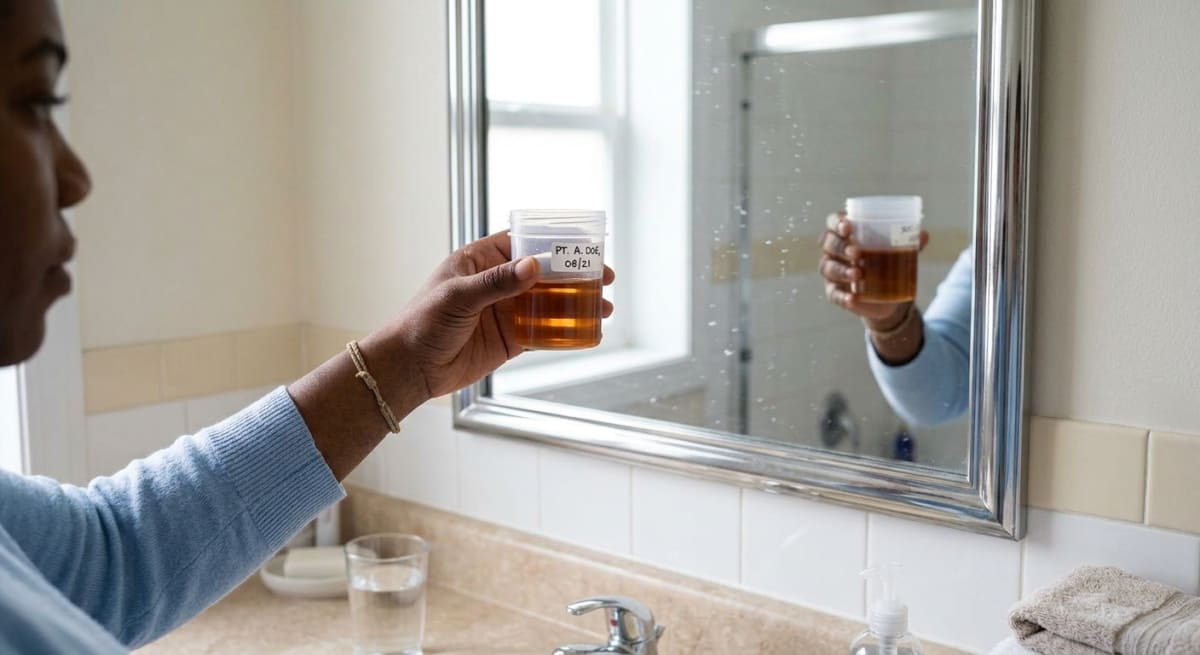
Urine that appears dark brown, tea-colored, or cola-colored should never be ignored, especially if you're drinking enough fluids. While dehydration can darken urine, persistent dark urine may also signal liver dysfunction.
4. Pale or Clay-Colored Stool
Healthy bile produced by the liver gives stool its normal brown color. If your stool becomes unusually pale or clay-colored, it may indicate that bile isn't flowing properly.
5. Pain in the Upper Right Side of Your Abdomen

The liver sits beneath the right rib cage. Persistent pain, tenderness, or discomfort in this area could be a sign of liver inflammation.
6. Extreme Fatigue

Recovering from malaria can leave you feeling tired, but if you're still feeling extremely exhausted even after your other symptoms have improved, it could be a sign that your liver needs to be checked.
7. Loss of Appetite

A reduced appetite is common during illness. However, if you continue to have little or no interest in food after your malaria symptoms improve, it could indicate that your liver is under stress.
8. Unexplained Itchy Skin

Some people develop intense itching without a visible rash when bile salts accumulate in the bloodstream due to liver dysfunction. Although uncommon, it's another symptom that shouldn't be overlooked.
How to Protect Your Liver While Taking Malaria Medication
Although serious liver problems are rare, there are simple steps you can take to reduce your risk:
Take your medication exactly as prescribed.
Complete the full course unless your healthcare provider advises otherwise.
Avoid alcohol during treatment and recovery.
Stay well hydrated.
Tell your healthcare provider if you have a history of liver disease.
Avoid combining prescription drugs, over-the-counter medicines, or herbal remedies without medical advice, as some products can also affect the liver.
Conclusion
Antimalarial medications remain one of the safest and most effective ways to treat malaria, and serious liver complications are uncommon. However, being aware of some of these warning signs can help you recognize when medical attention is needed.
If something doesn't feel right during or after malaria treatment, don't ignore it. Early evaluation can identify potential liver problems before they become more serious.