10 Cancer-Causing Things Hiding in Your Home (+ Safe Swaps)
 Richard Ryanne Ugbedeojo
 10 Cancer-Causing Things Hiding in Your Home (+ Safe Swaps)
When you think about cancer-causing substances, you probably picture things like a cigarette smoke, radiation, or industrial chemicals, not the things sitting quietly in your kitchen, bathroom, or living room.
But some everyday household products and exposures can introduce potentially harmful chemicals into the air we breathe, the food we eat, or the products we use on our bodies. The good news? You don't need to throw everything in your house away.
In many cases, small, practical changes can help reduce your exposure over time.
Here are 10 everyday things that may deserve a closer look, and the simple swaps you can make instead.
1. Scented Candles and Air Fresheners

That lavender air freshener or scented candle may make your home smell amazing, but the fragrance doesn't necessarily come without chemicals.
Some scented candles and air fresheners can release volatile organic compounds (VOCs), like formaldehyde and toluene when burned or even at room temperature. Depending on the product and how much you're exposed to, these compounds can contribute to indoor air pollution and increase risk of cancer
Safer options like 100% beeswax or soy candles do not release harmful toxins into your air. Alternatively, you could skip the candle altogether and improve ventilation. A diffuser can also be an option if used appropriately.
2. Damaged Non-Stick Cookware

Non-stick cookware is convenient until the coating becomes scratched, chipped or severely overheated.
Many traditional non-stick coatings are made using fluorinated chemicals and when cookware is subjected to excessive heat, the coating can break down and release fumes and a chemical known as PFAS (polyfluoroalkyl substances) which increase risk of cancer
A safer swap you could consider is aluminium, stainless steel or other suitable cookware. If you continue using non-stick cookware, avoid overheating an empty pan.
3. Plastic Food Containers
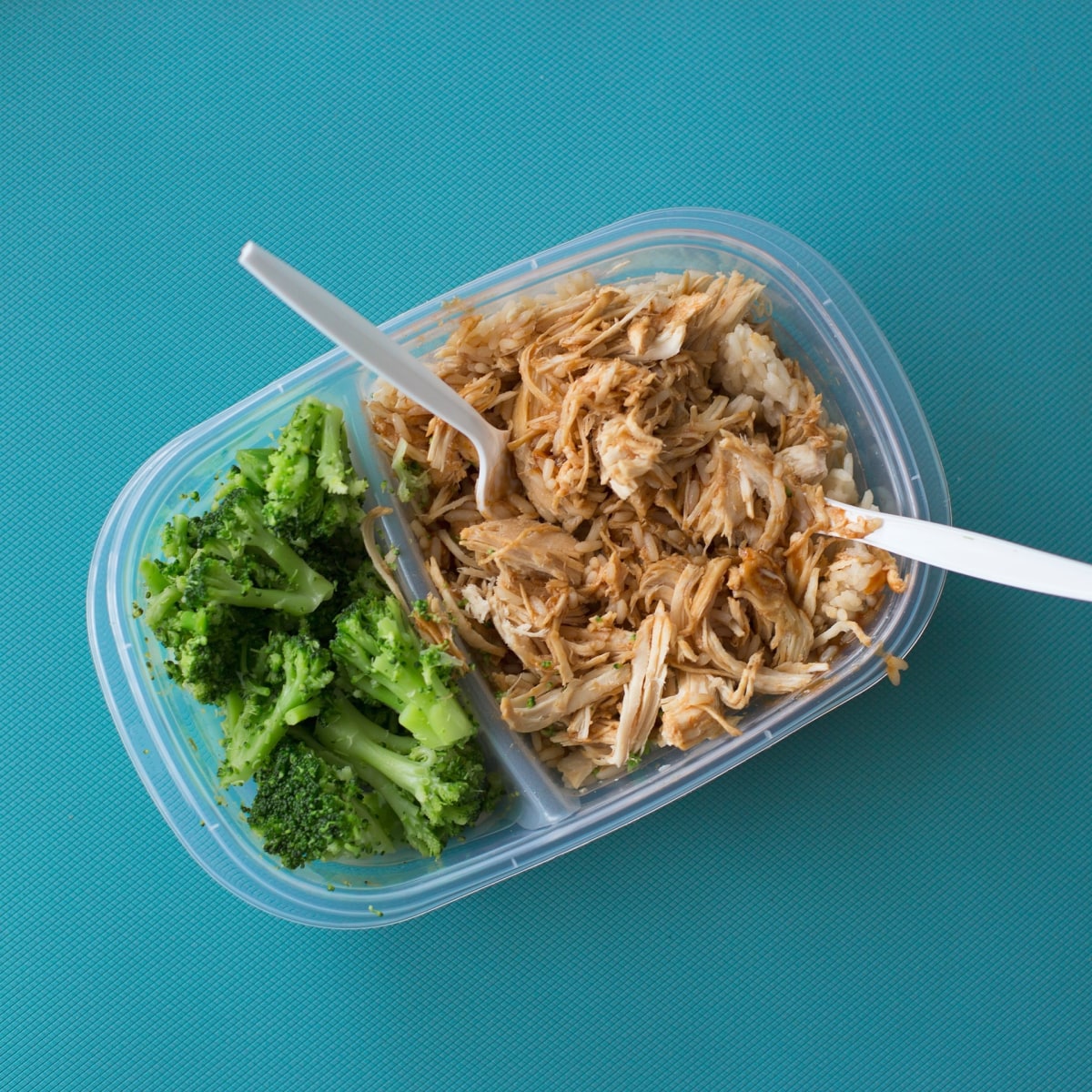
Plastic containers are everywhere, from lunch boxes to takeaway containers. The concern isn't simply having plastic in your kitchen, it's how you use it.
Some plastics can contain chemicals such as BPA and phthalates and certain chemicals may migrate into food under particular conditions. Heating food in plastic can increase the potential for chemical migration.
A safer swap you could consider is using heat-resistant glass or stainless-steel containers for storing and reheating food.
4. Conventional Cleaning Products
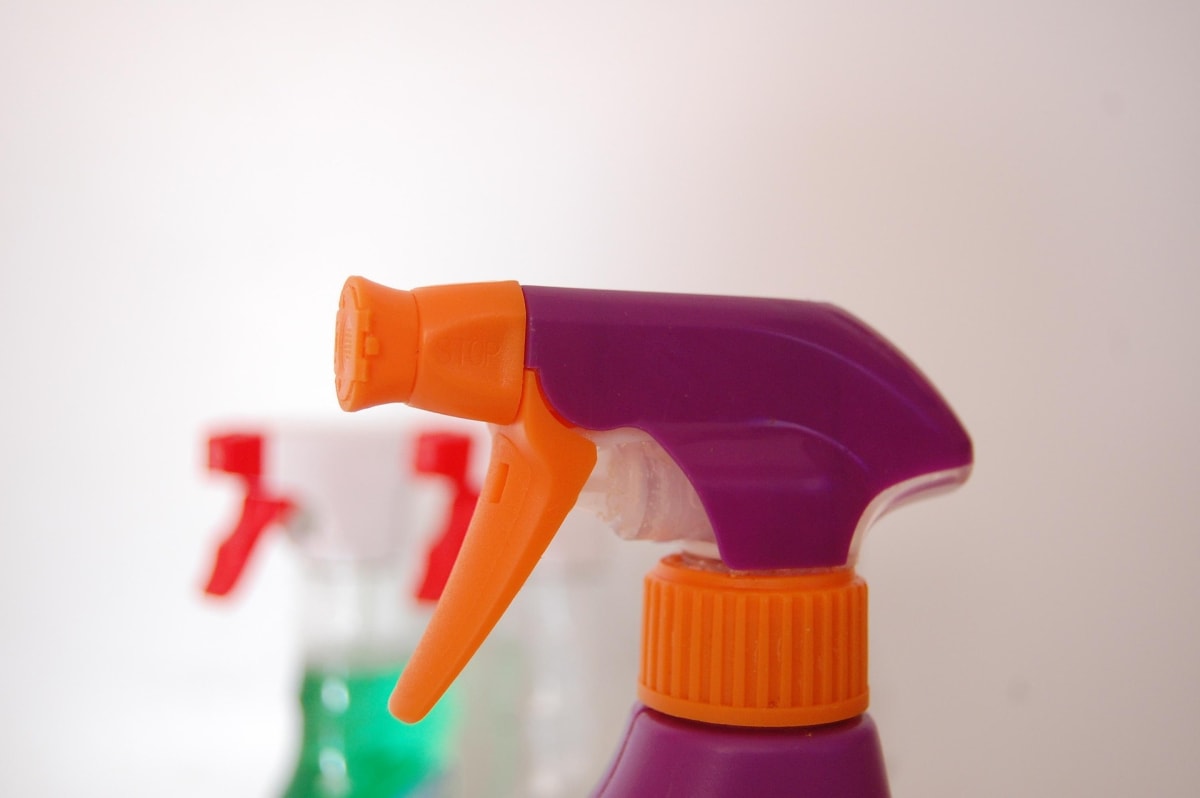
A clean home is great. Breathing in strong chemical fumes while cleaning? Not so much
Some cleaning products can release VOCs or other irritating chemicals into indoor air. Strong disinfectants, sprays, and bleach-based products can also irritate your eyes, skin, and respiratory system particularly when you use them in poorly ventilated spaces.
Choose simpler cleaning products and products with fewer harsh chemicals.
If you're making your own cleaners, you could use ingredients such as white vinegar or baking soda where they're suitable, and never mix bleach with vinegar or other acidic cleaners.
5. Processed Meats

You may love having bacon, sausages, hot dogs, ham and deli meats, but eating processed meat regularly is associated with cancer risk.
Processed meats contain compounds such as nitrates and nitrites, and certain compounds can form during processing or cooking. The International Agency for Research on Cancer classifies processed meat as carcinogenic to humans.
This doesn't mean eating bacon once means you're going to develop cancer. Cancer risk is influenced by how much and how often you consume those foods.
Consuming fresh fish, poultry, eggs, beans, or fresh cuts of meat more often instead of processed meats is a better option
6. Radon Gas

You can't see it. You can't smell it. And you probably wouldn't know it was in your home without testing.
Radon is a radioactive gas that occurs naturally in the environment and can seep into buildings from the ground. Long-term exposure to high levels of radon can increase the risk of lung cancer.
The safer swap: Test your home for radon if testing is available in your area. If levels are high, professional radon mitigation can reduce the amount entering your home.
7. Pesticides and Insect Sprays

Nobody wants ants marching across their kitchen or mosquitoes taking over their bedroom. But reaching immediately for a chemical spray isn't always the only option.
Pesticides are designed to kill or control pests, and exposure depends on the specific chemical, how it's used, and how much you're exposed to.
Before reaching for pesticides, try to keep pests away in the first place. Seal up cracks, keep your food covered, get rid of standing water, and keep your home clean. If you still need to use pesticides, just follow the instructions on the label and avoid staying in the room while you're spraying or afterwards.
8. Talcum Powder

Talcum powder has traditionally been used in baby powders, body powders, and cosmetic products to absorb moisture.
The concern surrounding talc is complicated. Some talc deposits can contain asbestos, a known carcinogen, and IARC currently classifies talc itself as probably carcinogenic to humans.
That doesn't mean every product containing talc will cause cancer. The type of talc, potential contamination, route of exposure, and duration of exposure all matter.
If you'd rather avoid talc-based powders, consider cornstarch-based alternatives or simply skip body powders altogether.
9. Formaldehyde in Pressboard Furniture and Carpet

That “new furniture” smell isn't always as harmless as it seems.
Formaldehyde is used in products such as particleboard, plywood, and fiberboard, and these materials can release formaldehyde into indoor air. New products may release more initially, with emissions generally decreasing over time.
Long-term or high-level exposure to formaldehyde is a health concern, and it is classified as a human carcinogen.
Solid wood furniture and lower-emission products, are safer options
10. Lined Canned Foods
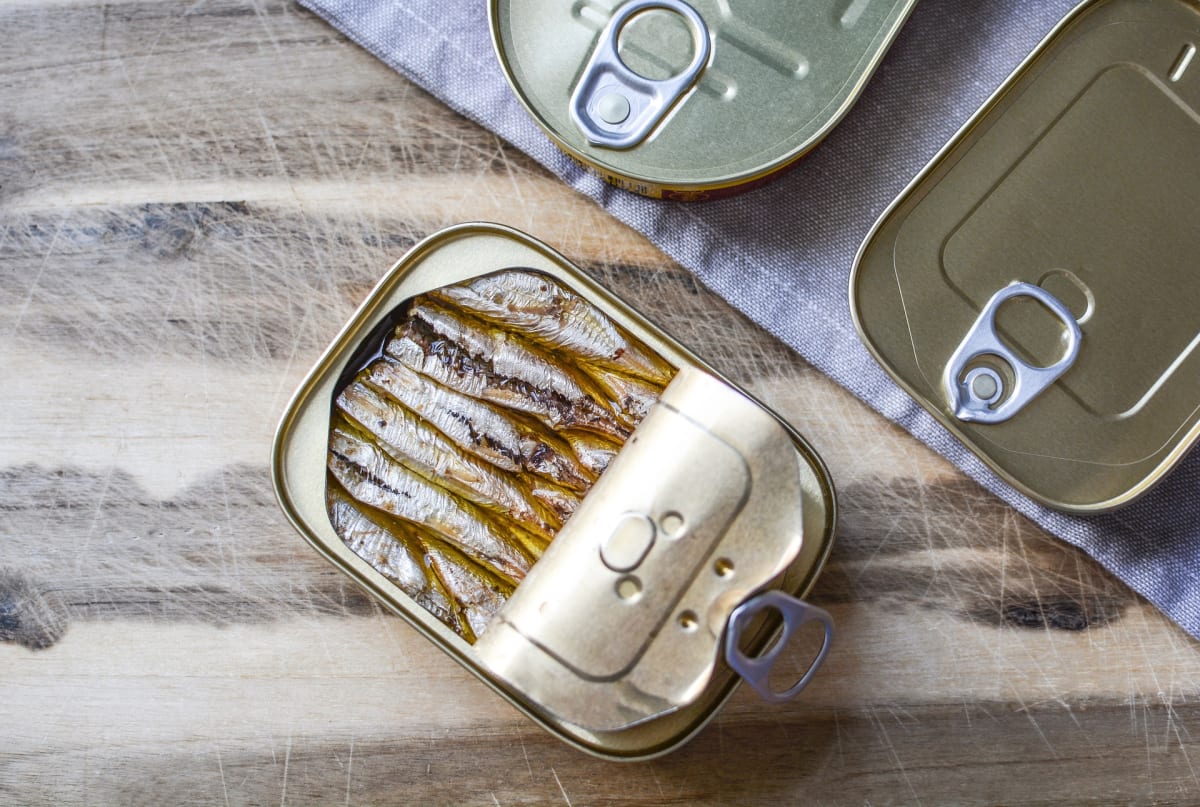
Canned foods are cheap, convenient, and can sit in your pantry for ages, which makes them an easy choice. But some cans have traditionally been lined with materials that contain BPA (bisphenol A)
BPA can sometimes leach from these linings into the food inside, so if you’re looking to cut down your exposure, there are a few simple things you can do.
Go for fresh or frozen foods when you can, or check the label for canned foods that are specifically marked BPA-free.
Conclusion
You don't need to look around your home and panic.
Just because something contains a chemical that may be harmful doesn't mean using it will give you cancer. Your risk depends on things like what the chemical is, how much you're exposed to, how often you're exposed to it, and for how long.
You also don't need to make your home completely chemical-free. That's not realistic. Instead, focus on the things you can easily change and reduce your exposure where possible.
At the end of the day, making your home safer doesn't have to mean changing your whole lifestyle. Sometimes, a few simple swaps are all you need.