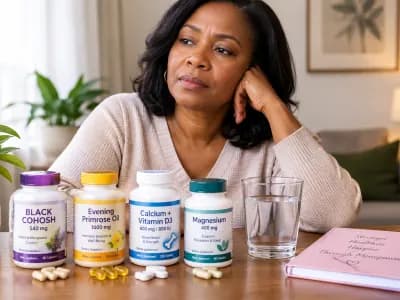
12 Foods That Help With Menopause (And What Each One Does).
 Attah Oluchukwu Vivian
 12 Foods That Help With Menopause (And What Each One Does).
Menopause is a natural stage in every woman's life. It is the time when your monthly period stops for good, usually between ages 45 and 55. As your body makes less estrogen, you may start to feel hot flashes, night sweats, mood swings, weak bones, and dryness. The good news is that the right foods can help with menopause and make these years easier on your body.
You do not need fancy or foreign food to feel better. Many of the best foods for menopause are already sold in your local market. This guide breaks down 12 of them and tells you exactly what each one does.
Why food matters during menopause
When estrogen drops, your body changes in real ways. Your bones lose strength faster. Your heart faces more risk. Your weight can climb, and your mood can swing from hour to hour as we’ve explained in this article. Food will not stop menopause, but it can ease the symptoms and protect your health for the years ahead. Think of your plate as one of the simplest tools you have.
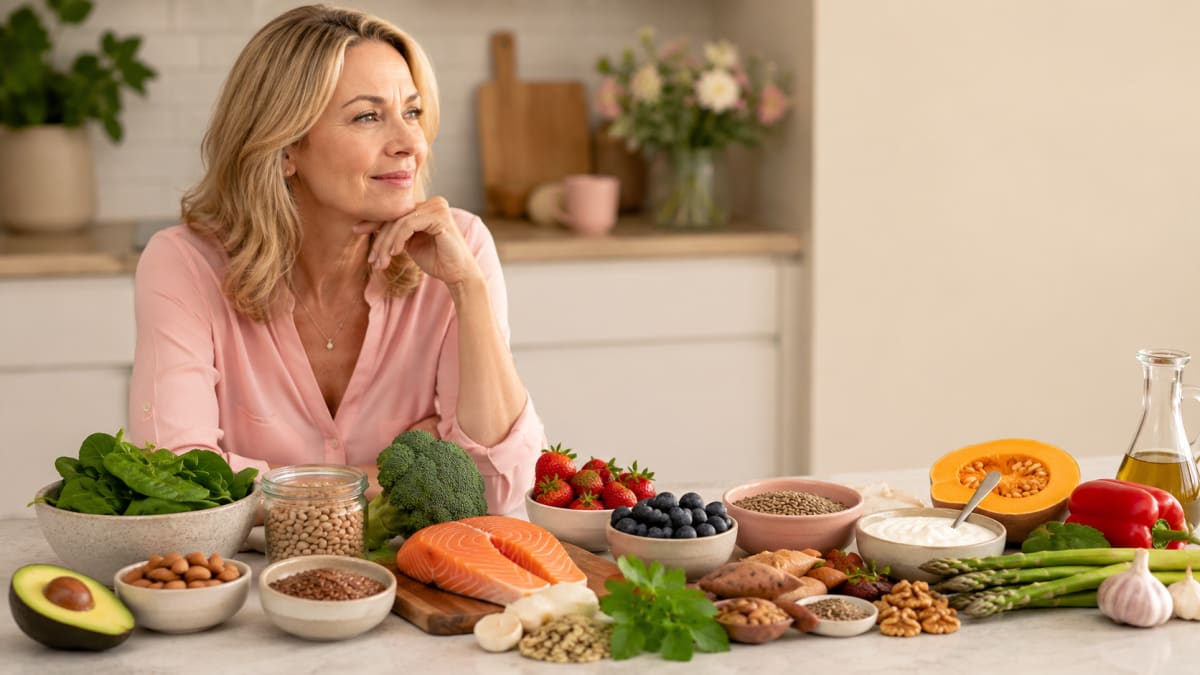
Soy
Soy carries something called isoflavones. Think of them as plant estrogen. They are not the real thing, but they act a little like it, and that is exactly what your body is missing right now. Research says they may cut down how often the hot flashes and night sweats come. Soy milk in the morning, soybeans thrown into your stew, tofu fried with pepper and vegetables. Any of them counts.
Flaxseeds
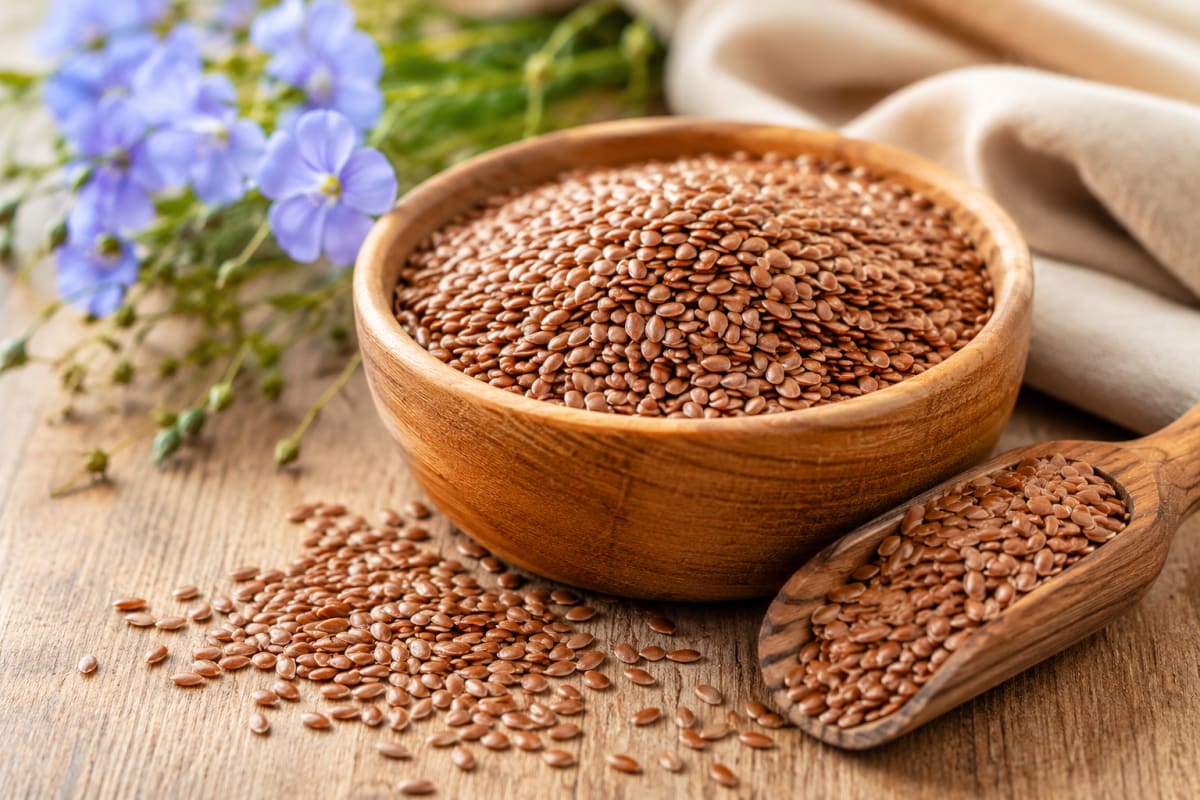
Do not let the size fool you. These little seeds hold lignans, another plant estrogen, plus omega-3 for good measure. They can help settle mild hot flashes and lift a low mood. One thing, though: swallow them whole and they pass right through you. Grind them first, then dust them over your pap, your oats, your yogurt.
Oily Fish (Titus, Mackerel, Sardine)
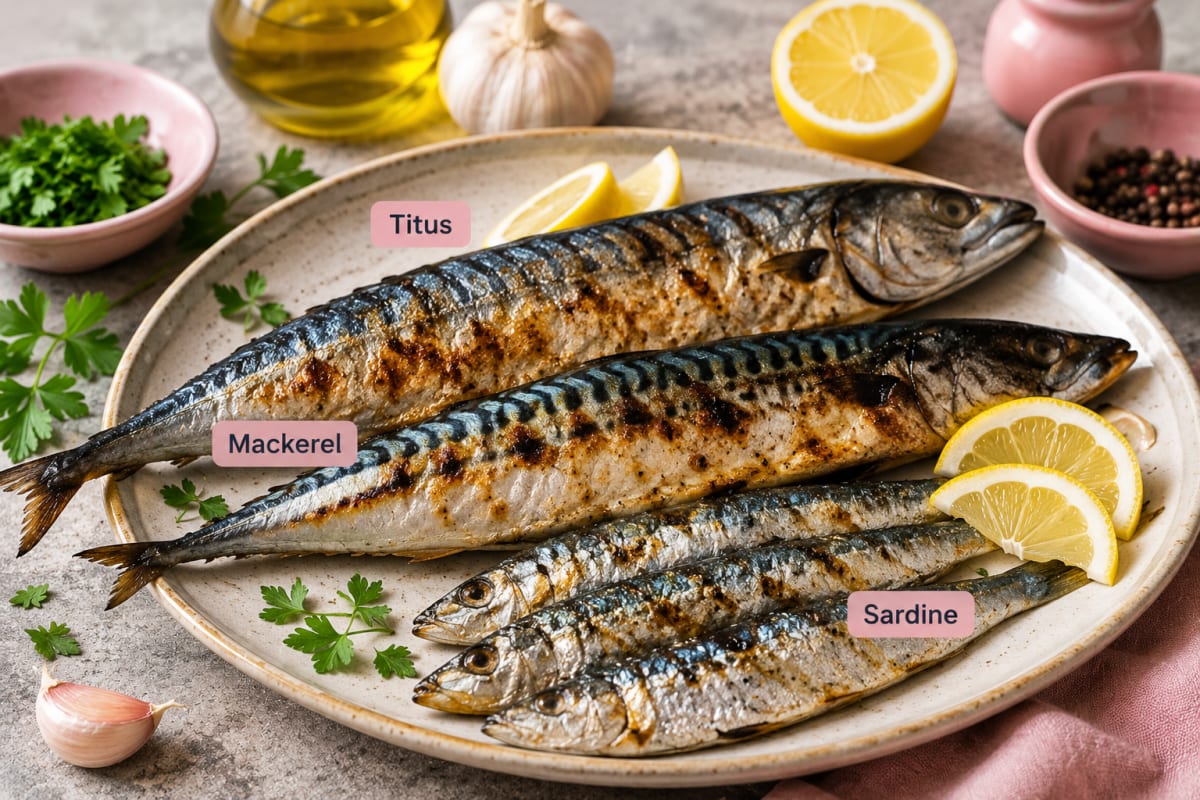
Titus. Mackerel. Sardine. Slip fish are rich in omega-3 fats, and those fats do quite important work. They steady your mood, ease dryness, and guard your heart, which starts facing more risk once estrogen leaves. Two to three times a week is a good target. Grilled, peppered, in a light soup, however you like it.
Milk, Yogurt, and Cheese
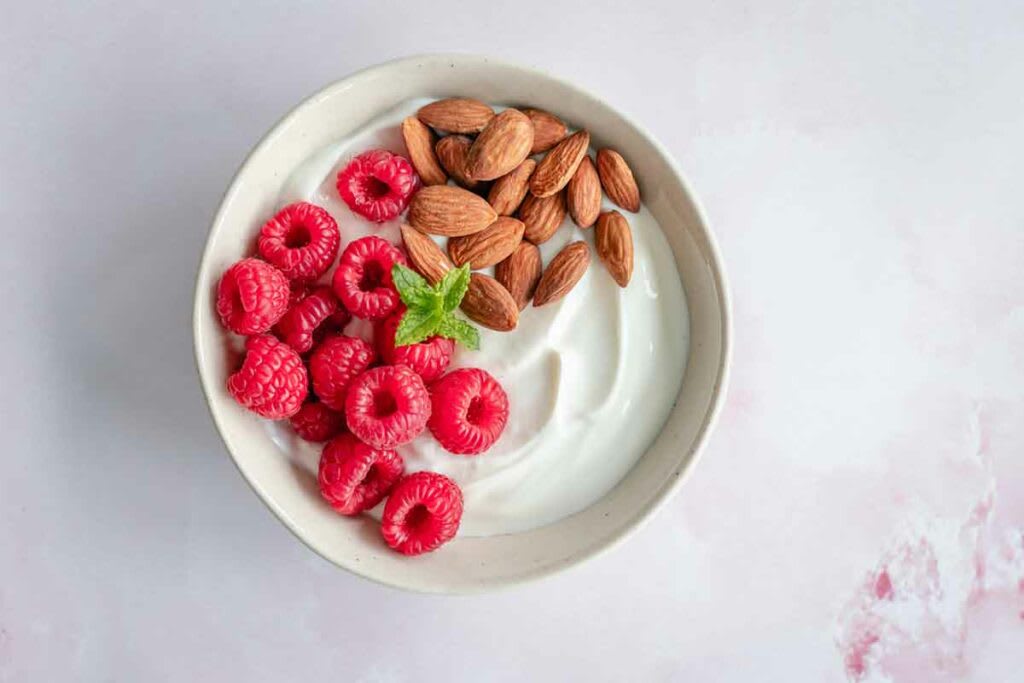
Here is the thing about bone loss: you do not feel it happening. It moves faster after menopause, silently, until one bad fall shows you. Dairy is your defence. The calcium and vitamin D in milk, plain yogurt, and cheese are exactly what your bones are crying for. A cup of milk or a bowl of yogurt a day is a small effort for something this important.
Green Vegetables (Ugu, Efo Tete, Spinach)
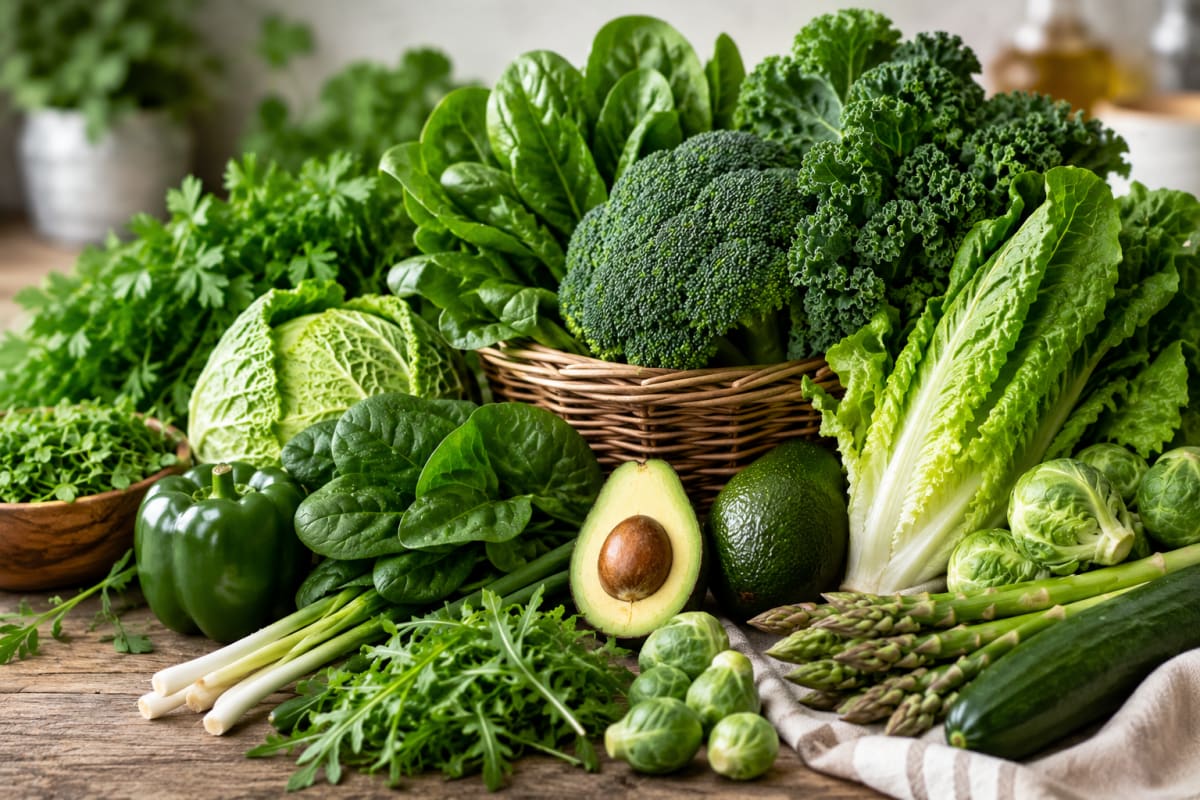
The vegetables you are already putting in your soup are doing more than you think. Ugu, efo tete, spinach, they bring calcium, magnesium, and vitamin K. Stronger bones, steadier mood. So when you are making that egusi or efo riro, be generous with the leaves. Do not manage it.
Beans and Lentils
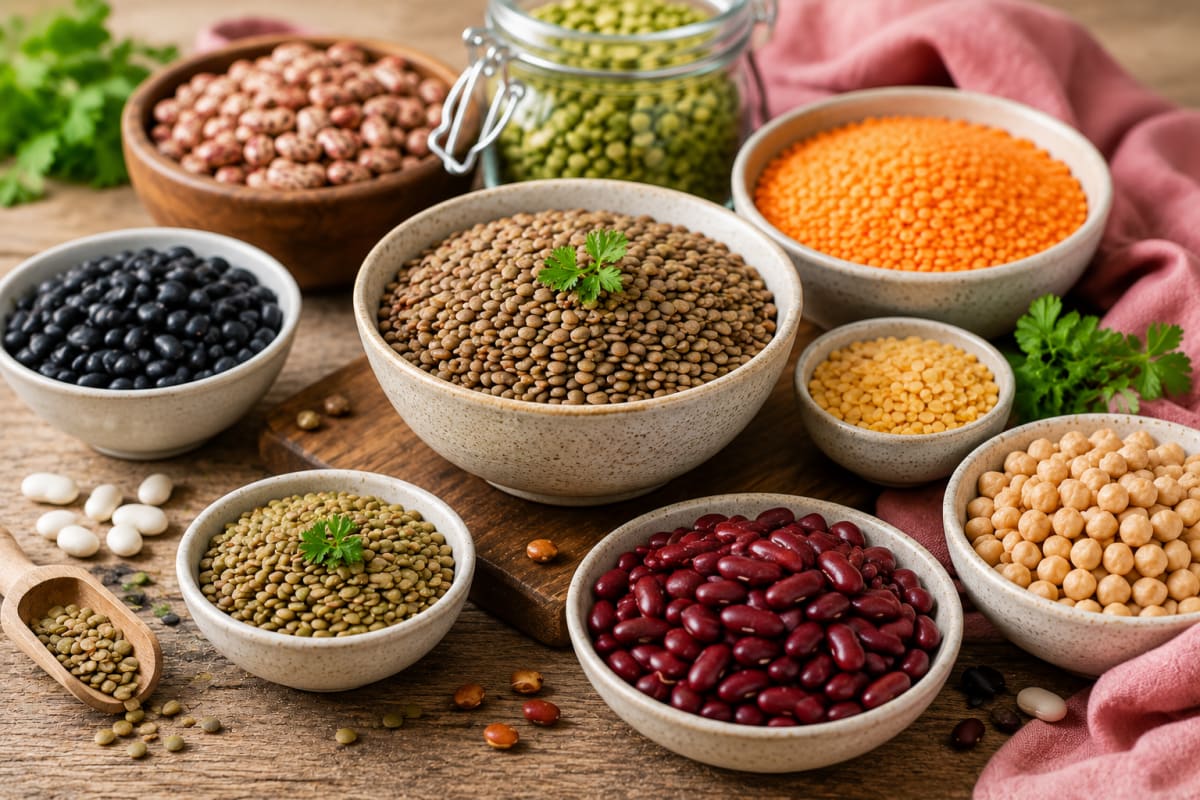
Cheap, everywhere, and honestly underrated. Beans and lentils give you plant protein and a good load of fiber. That means you stay full longer, your weight is easier to hold in check, and your blood sugar does not spike and crash. A plate of beans is not just village food. It is medicine you can afford.
Whole Grains
White bread, white rice, they have had the good part stripped out. Whole grains keep their fiber, and fiber earns its keep during menopause. It helps with weight, and it lowers the risk to the heart that creeps up over the years. Whole wheat bread instead of the soft white one. Oats for breakfast now and then. Brown rice when you can.
Fruits
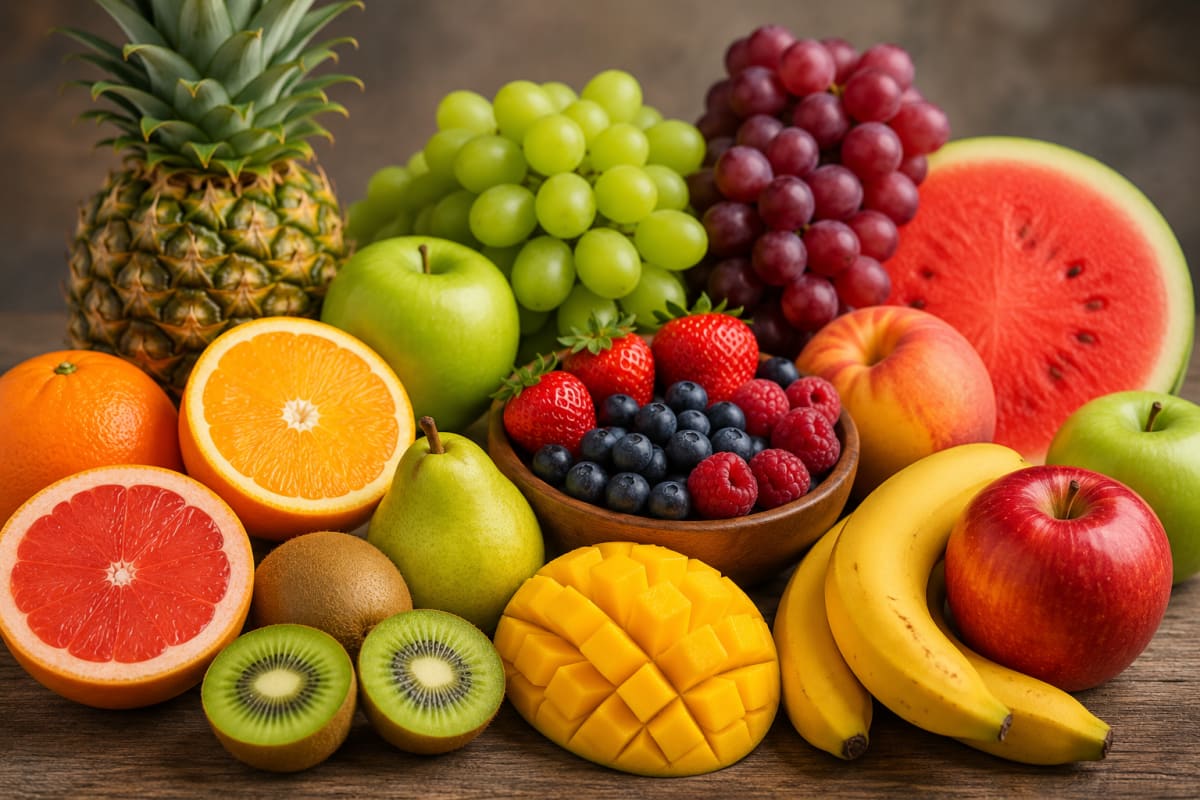
Berries are the star here because of their antioxidants, which fight the slow inflammation that wears down your heart and brain over time. But let us be real, berries are not always easy to find or cheap here. So reach for what is around you. Pawpaw, oranges, watermelon. Bright Fruit is doing similar work, and it is right there at the roadside.
Nuts (Groundnuts, Almonds, Walnuts)
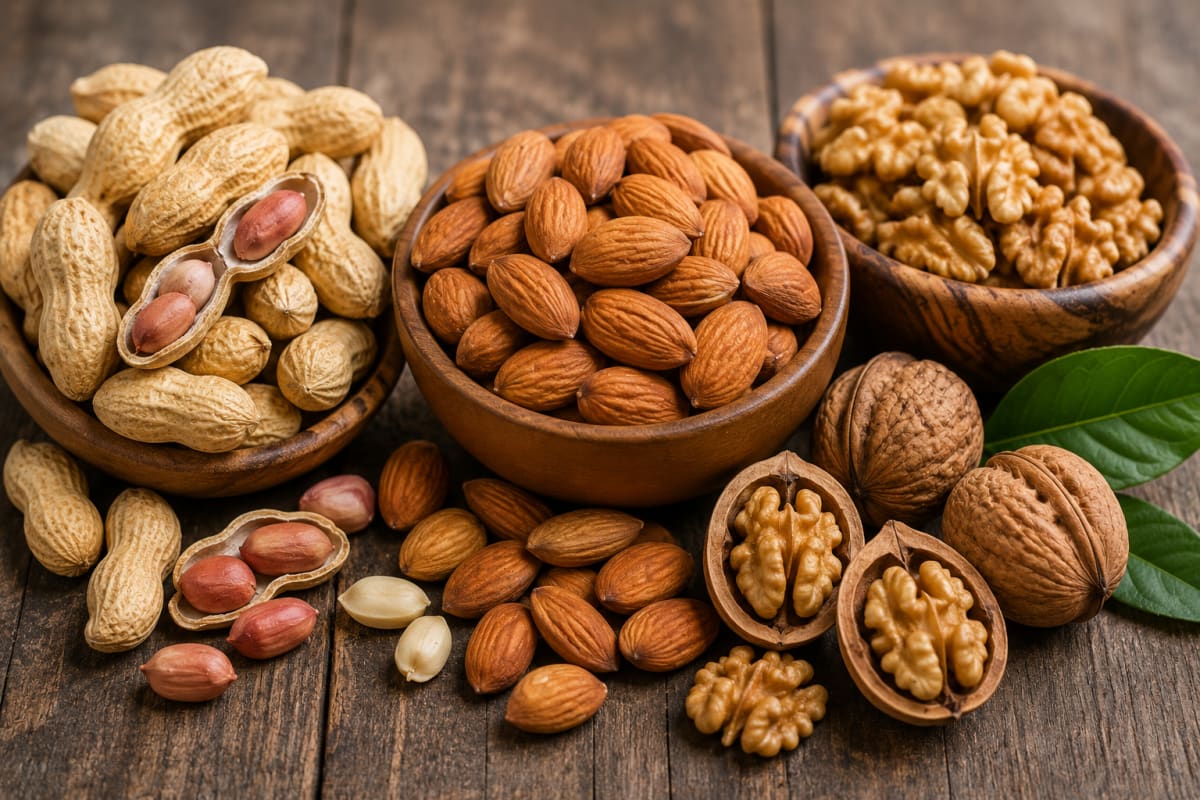
Groundnuts, almonds, walnuts. They pack healthy fats, magnesium, and protein into a small handful, and they help your bones, mood, and heart all at once. One warning, though, and you know yourself: nuts are heavy on calories. A small portion for a snack is perfect. Finishing the whole bowl while watching TV is not.
Eggs
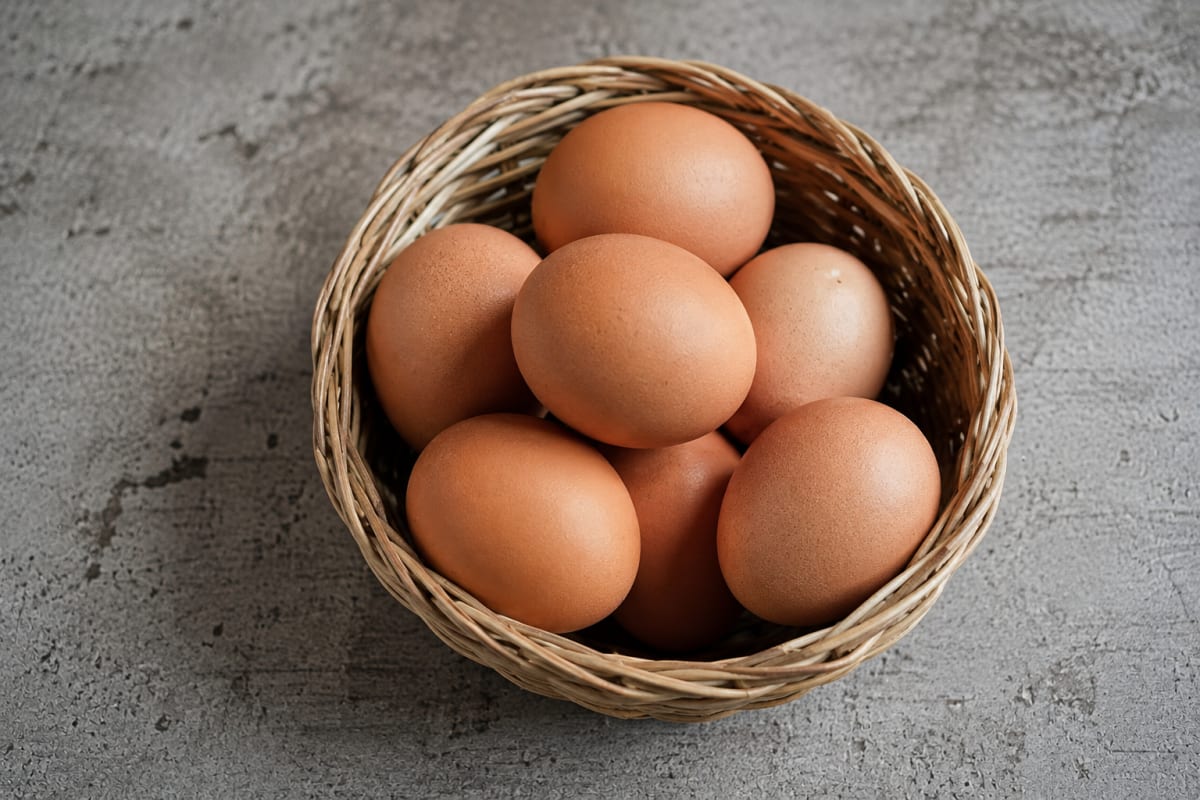
When you cannot afford much else, eggs still show up for you. Cheap, quick, and full of protein and vitamin D, which help you maintain muscle and bone as the years add up. One or two in the morning and you have started your day on solid ground.
Cabbage, Broccoli, and Cauliflower.
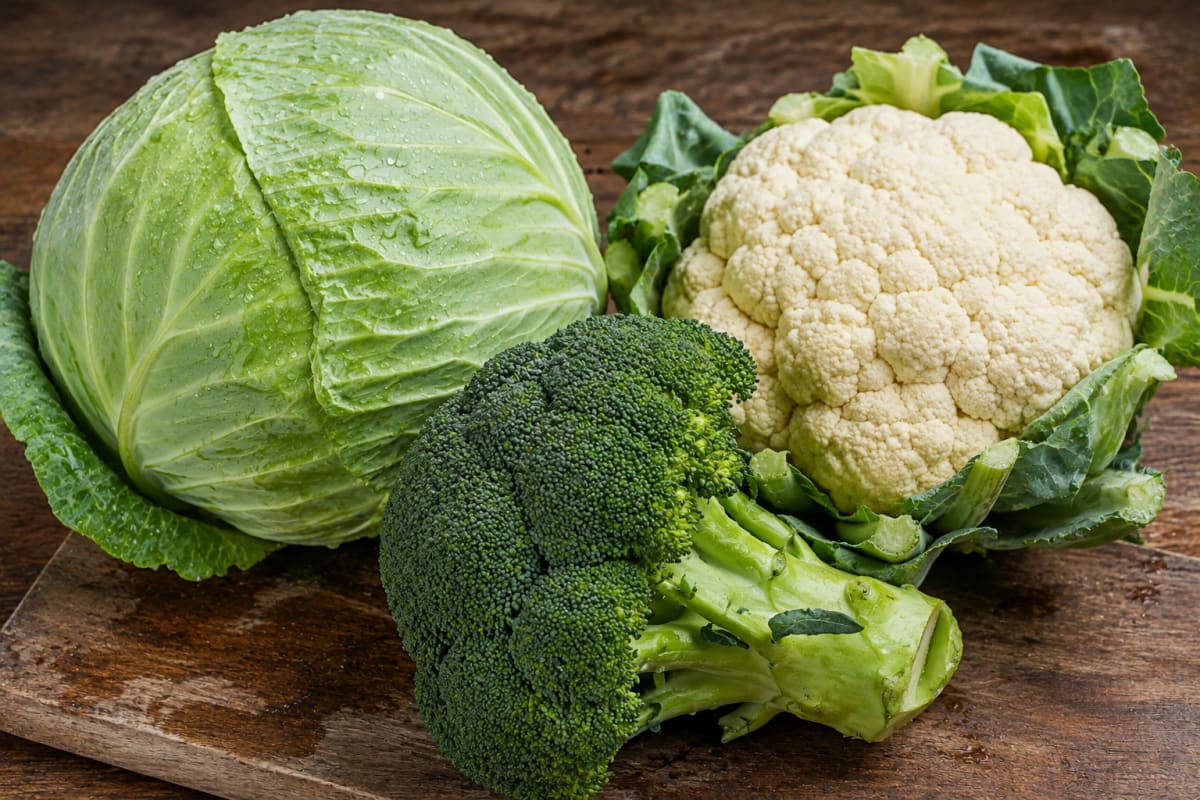
Cabbage, broccoli, cauliflower. These ones help your body handle estrogen in a healthy way, and they bring fiber that keeps your gut happy and your stomach full. Steam them lightly. Boil them to death, and you have thrown away most of the good stuff.
Water-Rich Foods (Cucumber, Watermelon, Oranges).
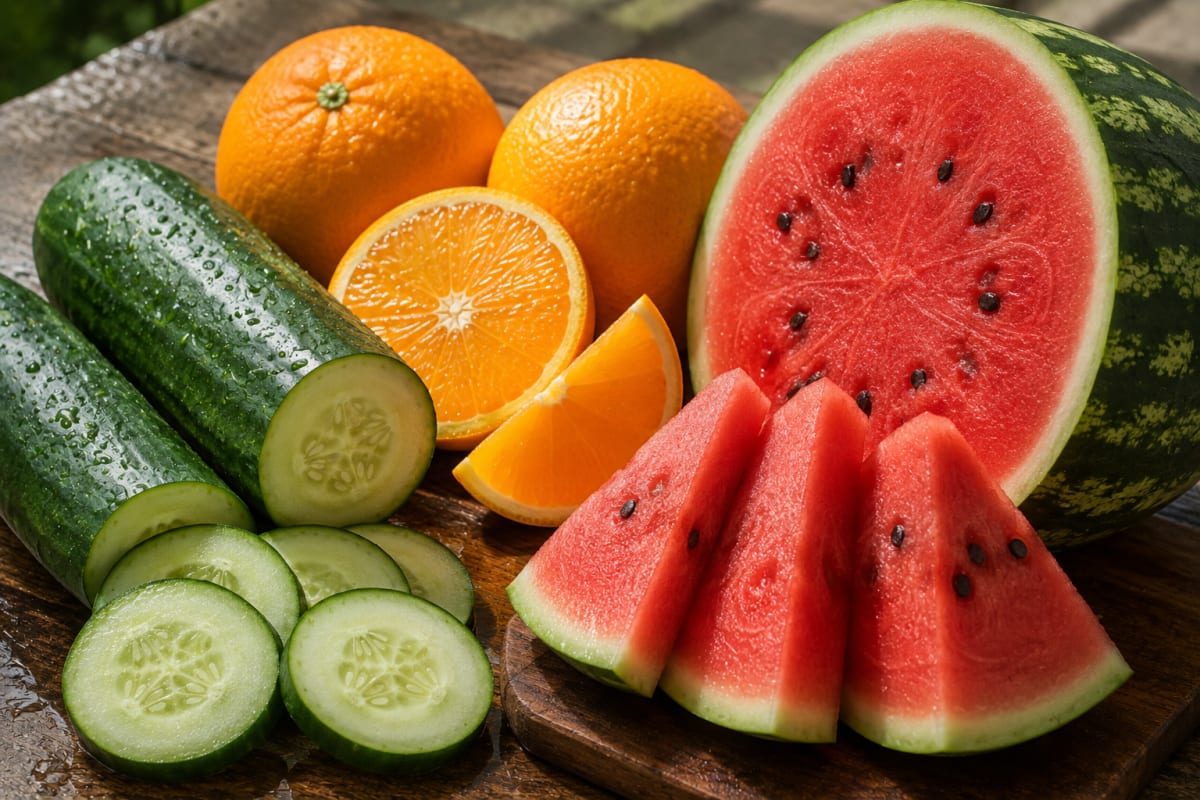
Dryness and bloating come with this season, and part of the fix is simply staying hydrated. Cucumber, watermelon, and oranges, they are mostly water, and they help you feel comfortable in your own body again. Low-calorie too, so snack on them freely.
You do not have to change everything at once
If this list feels like a lot, good news, nobody is asking you to do it all by tomorrow. Pick one thing. Add extra greens to today's soup. Buy whole wheat instead of white on your next market run. Keep boiled eggs or groundnuts around so you are not reaching for biscuits. Choose fish over meat a few times this week. Small moves, done again and again, are what actually shift things.
Foods to limit during menopause
Some foods can make your symptoms worse. Try to cut back on very spicy meals, too much caffeine, sugary drinks, and heavy alcohol, since these can trigger hot flashes and disturb your sleep. Too much salt can also weaken your bones over time.
When to see a doctor
Food helps, but it is not a cure. If your hot flashes are severe, if you bleed after your periods have fully stopped, or if your mood feels very low, please talk to a doctor. They can check your health and guide you on the best care for your body.
Conclusion
Menopause is a new season, not the end of your health. The foods that help with menopause are simple, local, and already within your reach. Fill your plate with soy, greens, beans, fish, whole grains, and colorful fruits, and your body will thank you for the years to come.
Frequently Asked Questions
What foods help with menopause hot flashes?
Soy foods, flaxseeds, and fatty fish may help reduce hot flashes. Cutting back on caffeine, spicy food, and alcohol can also lower how often they happen.
What should I avoid eating during menopause?
Limit sugary drinks, too much caffeine, heavy alcohol, very spicy meals, and salty food. These can trigger hot flashes, harm your bones, or disturb your sleep.
Can food really reduce menopause symptoms?
Yes, the right foods can ease symptoms like hot flashes, mood swings, and bone loss. Food is not a cure, but it is a powerful daily tool for feeling better.
Which local Nigerian foods are good for menopause?
Ugu, efo tete, soy beans, beans, Titus fish, groundnuts, eggs, pawpaw, and watermelon are all easy to find and helpful during menopause.