10 Healthy Sleep Habits That Actually Work
 Richard Ryanne Ugbedeojo
 10 Healthy Sleep Habits That Actually Work
You know you need sleep. But knowing you need it and actually getting good sleep are two very different things.
Maybe you get into bed at a reasonable time, only to spend the next hour scrolling through your phone. Or perhaps you fall asleep easily but wake up feeling like you barely rested at all.
The good news is that better sleep doesn't always require a complete lifestyle makeover. Small, consistent changes to your daily routine can make it easier to fall asleep, stay asleep, and wake up feeling more refreshed.
Here are 10 healthy sleep habits that actually work, and how to make them part of your routine.
1. Stick to a Consistent Sleep Schedule

Your body has an internal clock that helps regulate when you feel sleepy and when you feel awake. Going to bed and waking up around the same time each day helps keep that clock on track.
Try to maintain roughly the same schedule on weekends too. Sleeping much later on your days off may feel tempting, but constantly shifting your schedule can make it harder to maintain a consistent sleep-wake rhythm.
For most adults, getting at least seven hours of sleep each night is recommended.
Choose a realistic bedtime and wake-up time and stick with them as consistently as possible.
2. Give Yourself Enough Time to Sleep

Sometimes the problem isn't that you can't sleep, it's that you simply aren't giving yourself enough time to sleep.
Late-night studying, work, social media, television, and other activities can gradually push bedtime later and later.
Instead of trying to squeeze sleep into whatever time is left at the end of your day, treat it as something that deserves a place in your schedule.
3. Watch Your Caffeine, Nicotine, and Alcohol Intake

What you consume during the day can affect what happens at night.
Caffeine is a stimulant, and its effects can last for several hours. Coffee isn't the only source. Tea, energy drinks, cola, chocolate, and some medications can also contain caffeine.
Nicotine can also interfere with sleep. Alcohol may make you feel sleepy initially, but it can disrupt your sleep later in the night.
If you notice that caffeine or other substances are affecting your sleep, reduce your intake later in the day and see whether your sleep improves.
4. Avoid Heavy Meals Close to Bedtime

Going to bed extremely hungry can be uncomfortable, but going to bed overly full isn't ideal either.
Large or heavy meals shortly before bedtime may leave you feeling uncomfortable and make it harder to settle down.
If you're genuinely hungry before bed, you don't necessarily need to go to sleep hungry. A light snack may be more comfortable than a large meal.
5. Make Your Bedroom a Place for Sleep

Your environment can have a surprisingly big effect on your sleep.
A bedroom that's bright, noisy, too warm, or uncomfortable can make it harder to fall asleep or stay asleep.
Aim for a room that's cool, dark, quiet, and comfortable. Depending on your environment, blackout curtains, an eye mask, earplugs, or a fan may help.
And don't forget your bed itself. An uncomfortable mattress or pillow can make restful sleep much harder.
6. Create a Relaxing Wind-Down Routine

Going directly from a stressful day into bed doesn't necessarily tell your brain that it's time to sleep.
A calming bedtime routine gives you an opportunity to slow down before you turn off the lights.
You could take a warm bath or shower, read a nice book, listen to soothing music (jazz), stretch gently, practice relaxation techniques, or simply spend some quiet time away from work and stressful tasks.
The goal isn't to create a complicated ritual. It's to develop a predictable signal that bedtime is approaching.
You could try spending the last 30–60 minutes before bed doing calm, low-stimulation activities.
7. Be Careful With Daytime Naps
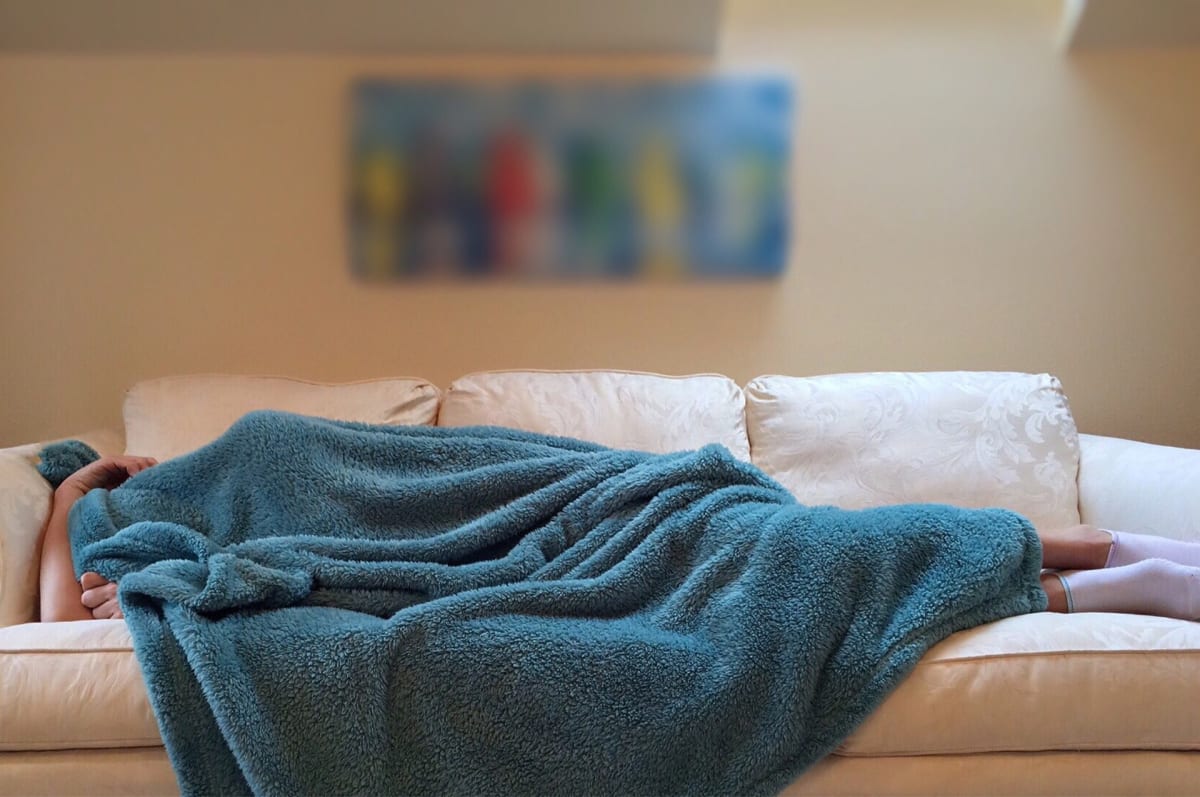
A short nap can be helpful when you're tired, but long or late naps can make it harder to fall asleep at night.
If you regularly struggle with nighttime sleep, pay attention to your daytime naps. You may find that reducing their length or taking them earlier in the day makes a difference.
People who work night shifts may have different sleep needs and may benefit from strategically timed naps.
Try this: If naps are affecting your nighttime sleep, keep them shorter and avoid taking them too late in the day.
8. Move Your Body During the Day

Regular physical activity can support better sleep.
You don't need an intense workout routine to benefit. Walking, dancing, cycling, swimming, jogging, or other activities you enjoy can all help you stay active.
Spending some time outdoors during the day can also be beneficial.
However, if vigorous exercise close to bedtime leaves you feeling energized rather than relaxed, consider moving your workout earlier.
9. Deal With Your Worries Before Bed

Sometimes your body is tired but your mind refuses to cooperate.
You lie down and suddenly remember everything you need to do tomorrow, everything that went wrong today, and every problem you haven't solved yet.
Instead of carrying all those thoughts into bed, try putting them somewhere else.
Write down your worries, tasks, or things you need to remember. You don't have to solve everything immediately. The goal is simply to get the thoughts out of your head and onto paper.
You could start by keeping a notebook nearby and write down what's on your mind before bed. Then give yourself permission to deal with it tomorrow.
10. Don't Force Yourself to Sleep
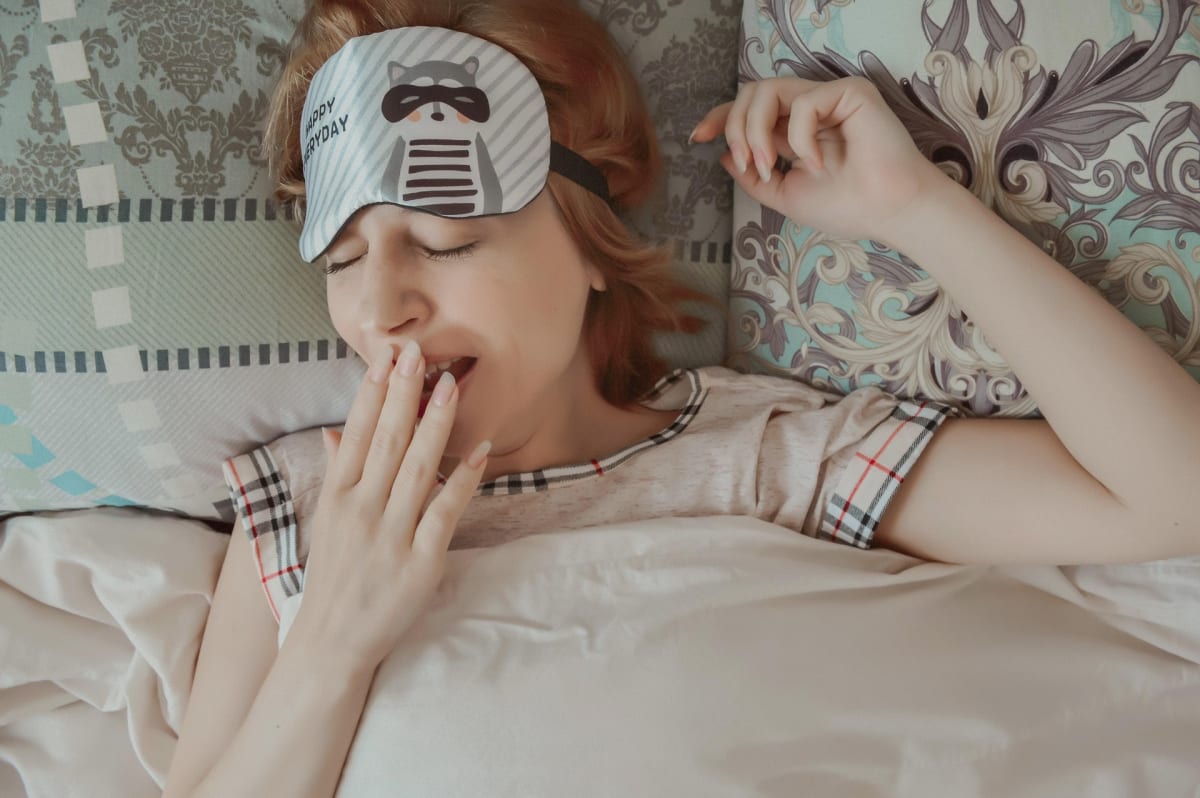
This might sound strange, but lying in bed desperately trying to fall asleep can sometimes make you more frustrated and alert.
If you can't fall asleep after about 20 minutes, consider getting out of bed and doing something quiet and relaxing in dim light. Read a few pages of a book or listen to calming music, then return to bed when you feel sleepy.
Try not to keep checking the clock. Watching the minutes pass can create even more anxiety about how little sleep you're getting.
What If You Still Can't Sleep
Occasional poor sleep is normal. Stress, travel, changes in routine, illness, or other temporary circumstances can interfere with sleep from time to time.
But persistent sleep problems shouldn't simply be ignored.
If you're regularly struggling to fall asleep, frequently waking during the night, waking too early, or feeling excessively tired during the day, talk to a healthcare professional. Ongoing sleep difficulties can sometimes be associated with conditions such as insomnia or sleep apnea and may need proper evaluation.
Conclusion
Good sleep isn't about finding one magical trick that knocks you out every night.
It's about creating conditions that allow your body to sleep naturally.
And remember; you don't have to change everything at once.
Start with one or two habits that feel realistic, make them part of your routine, and build from there.
Sometimes, better sleep begins with something as simple as deciding that bedtime deserves the same attention as everything else on your schedule.