Can't Sleep? 5 Natural Supplements That Actually Work
 Richard Ryanne Ugbedeojo
 Can't Sleep? 5 Natural Supplements That Actually Work
We all have those nights.
You climb into bed, exhausted after a long day, expecting to fall asleep within minutes. Instead, your mind refuses to slow down. One minute turns into thirty. Thirty turns into an hour. Before you know it, you're staring at the ceiling wondering why sleep feels so impossible.
Occasional sleepless nights happen to everyone, but when they become frequent, they can affect your mood, concentration, immune system, and overall health.
While improving your sleep habits should always be your first step, some natural supplements have been studied for their ability to support healthy sleep. They aren't miracle cures, but when used correctly, they may help you fall asleep faster or enjoy better-quality rest.
While these natural supplements have been studied for their potential to improve sleep, they aren't suitable for everyone. Some can interact with medications, worsen certain medical conditions, or simply may not be the right choice for your specific sleep problem. That's why it's important to consult a qualified healthcare professional before starting any sleep supplement, even if it's marketed as "natural.”
Here are five natural supplements that could improve your Sleep:
1. Melatonin
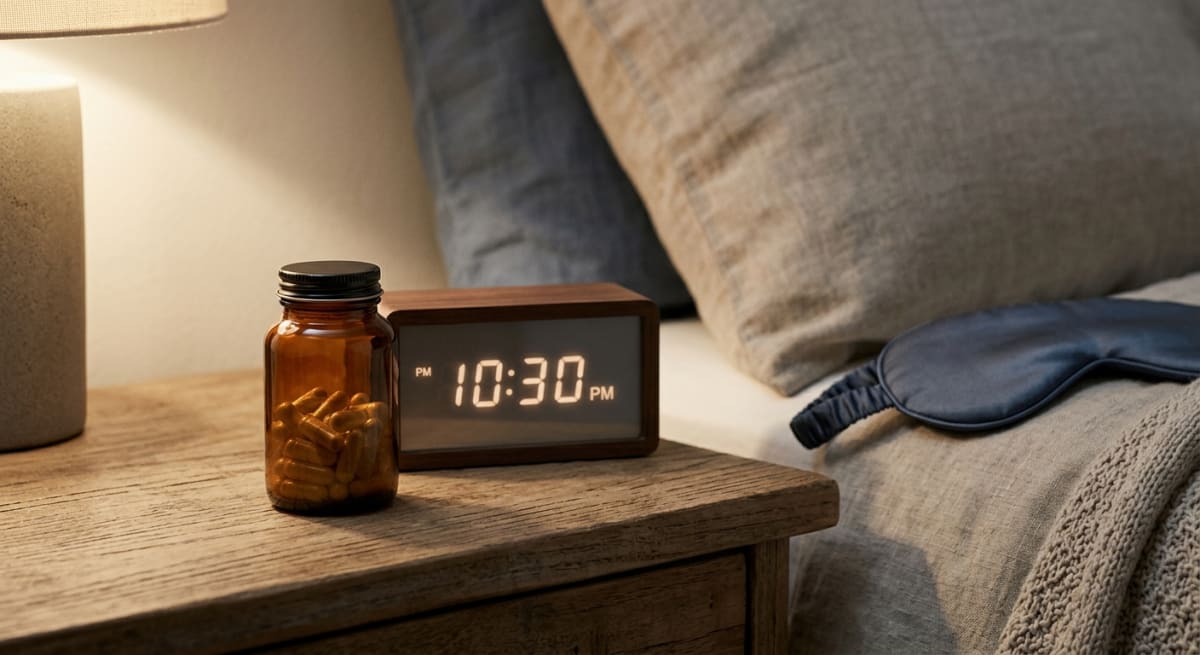
Melatonin is often the first supplement people think of when it comes to sleep, and for good reason. Unlike many sleep aids, melatonin is a hormone your body naturally produces. As daylight fades, your brain releases melatonin to signal that it's time to wind down and prepare for sleep.
Research suggests that melatonin is particularly helpful for people who struggle to fall asleep because their sleep schedule has been disrupted. It's less effective for chronic insomnia that has other underlying causes, but it can still benefit some individuals.
Most experts recommend starting with a low dose, usually between 0.5 and 3 mg, taken about 30 minutes to an hour before bedtime. Taking more isn't necessarily better and may increase the risk of side effects such as headaches, dizziness, or daytime drowsiness.
2. Magnesium Glycinate
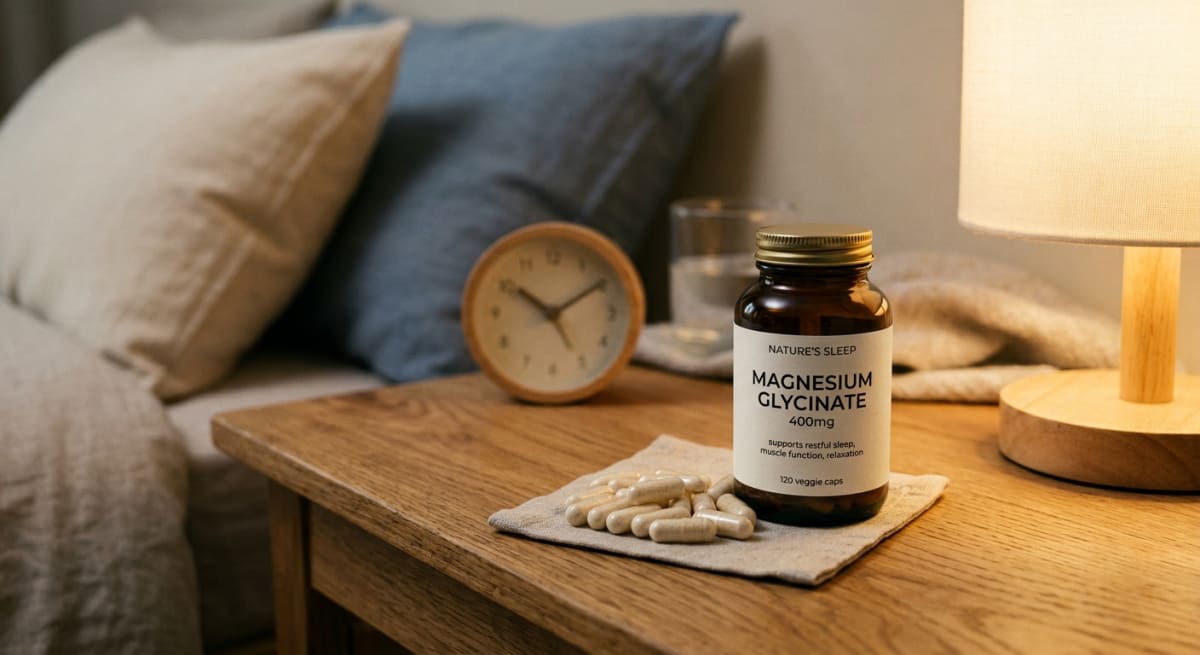
When it comes to improving sleep, not all magnesium supplements are created equal. Magnesium glycinate is often considered one of the best forms because it is highly bioavailable, meaning it's easily absorbed by the body.
Magnesium glycinate is made by combining magnesium with glycine, an amino acid known for its calming effects on the nervous system. This combination may help the body relax before bedtime, making it easier to fall asleep and stay asleep. Glycine has also been linked to better sleep quality by supporting the body's natural sleep processes, while magnesium helps regulate neurotransmitters involved in relaxation and healthy sleep.
Another reason magnesium glycinate stands out is that it's gentle on the digestive system. Unlike other forms, such as magnesium oxide or magnesium citrate, it's much less likely to cause diarrhea or stomach discomfort, making it a preferred option for long-term use.
3. Valerian Root

Valerian root has been used for centuries as a traditional remedy for insomnia and anxiety. Today, it's available as capsules, tablets, teas, and liquid extracts.
Scientists believe it may increase the amount of GABA available in the brain, helping you feel calmer before bedtime.
One thing to keep in mind is that valerian doesn't always work immediately. Unlike melatonin, which may have noticeable effects the first night, valerian often needs to be taken consistently for a few weeks before its benefits become apparent.
4. L-Theanine

If stress or racing thoughts are what keep you awake at night, L-theanine may be worth considering.
L-theanine is a naturally occurring amino acid found in green tea. Rather than making you feel sleepy, it promotes a sense of calm and relaxation, making it easier to settle into sleep naturally.
Many people also report waking up feeling more refreshed after taking it.
5. Chamomile

Chamomile has long been associated with relaxation, and it's one of the most widely used herbal remedies for promoting sleep.
Its calming effects are thought to come from an antioxidant called apigenin, which interacts with receptors in the brain involved in sleep and relaxation.
While chamomile isn't as powerful as prescription sleep medications, studies suggest it may help improve sleep quality, particularly for people experiencing mild insomnia or stress-related sleep difficulties.
Chamomile is available as a tea, capsule, or liquid extract. Drinking a warm cup of chamomile tea before bed can also become part of a relaxing bedtime routine.
Don't Forget the Basics
Even the best supplement won't make up for poor sleep habits.
To give yourself the best chance of sleeping well:
Stick to a consistent sleep schedule, even on weekends.
Avoid caffeine late in the day.
Limit screen time for at least an hour before bed.
Keep your bedroom cool, dark, and quiet.
Exercise regularly, but avoid intense workouts close to bedtime.
Avoid large meals and alcohol right before bed.
Conclusion
Natural supplements aren't a cure-all, but they can provide meaningful support for some people. Melatonin may help regulate your body's sleep-wake cycle, magnesium supports relaxation, valerian root may improve sleep quality over time, L-theanine helps calm a busy mind, and chamomile offers a gentle way to unwind before bed.
The key is choosing the supplement that best matches the reason you're having trouble sleeping and using it alongside healthy sleep habits. If you're unsure which option is right for you or have an underlying medical condition, speak with your healthcare provider before starting any new supplement.