8 Early Warning Signs of Prostate Problems Men Ignore Too Long
 Attah Oluchukwu Vivian
 8 Early Warning Signs of Prostate Problems Men Ignore Too Long
Most men go through the same thing. Something feels a bit off down there, and they just brush it off. “It’s probably just age.” Nothing to worry about. Life goes on.
Weeks turn into months. Months turn into years.
The issue is that the prostate is in a quiet part of the body. When something starts going wrong, it doesn’t always make it obvious. And early prostate cancer often doesn’t cause any symptoms at all. A man can have it and feel completely normal.
That’s why knowing the signs matters. But here’s something a lot of people don’t realize. Most prostate symptoms are not cancer. They’re usually caused by something common called BPH, which just means the prostate has gotten enlarged.
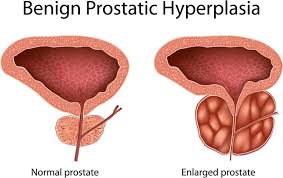
The goal here isn’t to scare you. It’s just to help you notice changes early and prevent the worst from happening
Why the Prostate Causes Trouble
The prostate sits right around the tube you pee through. So when it swells or gets bigger, it can squeeze that tube and change how urine flows.
That’s why most early signs show up when you go to the toilet. Maybe things feel slower. Maybe you’re going more often. Maybe something just feels “off.” It doesn’t automatically mean cancer. Most of the time, it’s just age-related changes like BPH. But it’s still worth paying attention to, because early checks make everything easier later.

1. Needing to Pee More Often, Especially at Night
This is usually where it starts. You begin waking up once at night to pee, then twice, then maybe more. At first, it’s easy to explain it away. Maybe you drank water too late. Maybe it’s just age. But if it keeps happening, don’t ignore it.
An enlarged prostate can make your bladder feel full even when it isn’t. If this becomes your normal routine, it’s worth getting checked.
2. A Weak or Slow Urine Stream
You might notice your flow isn’t what it used to be. It’s weaker, slower, or just doesn’t come out with the same force. This happens when the prostate starts pressing on the urine tube. A lot of men adjust without even realizing how much has changed. But if you’re straining or waiting longer than before, that’s something to pay attention to.
3. Trouble Starting or Stopping
You’re ready to go, but nothing happens right away. Or the stream starts, stops, then starts again. It’s frustrating, but it’s also a pretty common prostate sign. It means the flow isn’t as smooth as it used to be. If it keeps happening, especially with other symptoms, don’t just ignore it.
4. Feeling Like You Never Fully Empty
You finish using the toilet, walk away, and a few minutes later, it feels like you need to go again. Or worse, it never really feels like you emptied properly. That can happen when urine isn’t flowing out fully because of pressure from the prostate. If it keeps repeating, it’s worth checking.
5. Pain or Burning When You Urinate or Ejaculate
This is one you really shouldn’t ignore. Burning or pain during urination or ejaculation is often caused by inflammation or infection of the prostate, and that’s usually treatable. But if it comes with other symptoms or blood, don’t wait around hoping it disappears. Get it checked properly.
6. Blood in Urine or Semen
If you ever see blood in your urine, take it seriously, even if it only happens once and there’s no pain. It could be something simple like an infection or a stone. It could also be an enlarged prostate. But it can also be something more serious, including cancer. The same goes for blood in semen. Don’t try to guess or talk yourself out of it. Just get it checked.
7. Pain or Stiffness in the Lower Back, Hips, or Thighs
This one catches people off guard because it doesn’t feel like a urinary issue at all. But ongoing deep pain in the lower back, hips, pelvis, or upper thighs can sometimes be linked to advanced prostate cancer affecting the bones. Most back pain isn’t anything serious. But if it sticks around and doesn’t improve, especially with other symptoms, don’t just push through it.
8. New Trouble Getting an Erection
A new, ongoing change in erections can sometimes be linked to prostate problems, especially in more advanced cases. You might also notice less fluid during ejaculation. But to be clear, a lot of everyday things like stress, age, and general health are more common causes. What matters is a clear change that doesn’t go away.
The Most Important Thing to Understand
Most of these symptoms are not cancer. In many cases, it’s just BPH, which is common and treatable. So if you notice one or two signs, don’t panic. But don’t ignore them either. The real issue is that many prostate cancers are found early through routine screening, before symptoms even show up. Waiting for symptoms is not the best strategy. Early detection gives you more options and better outcomes.
When to See a Doctor
If you’re waking up often at night, struggling to empty your bladder, or feeling pain or burning, it’s time to get checked.
If you see blood in your urine or semen, don’t wait a long time. Get seen within the same week. A PSA blood test is usually the first step. It’s simple and quick. A doctor may also do a basic physical exam. Nothing dramatic, nothing to be afraid of.
Who Should Be Extra Careful
If prostate cancer runs in your family, your risk is higher, so it makes sense to start earlier conversations with a doctor. The same goes for men of African descent. Black men are about 2.5 times more likely to die from prostate cancer, partly because of biology and partly because of gaps in healthcare access. If that applies to you, earlier screening is important.
Frequently Asked Questions
What is usually the first sign of a prostate problem?
Most often, it’s changes in urination, especially waking up at night and a weaker stream.
Does prostate cancer always cause symptoms?
No. Early stages often have no symptoms at all, which is why screening matters.
When should I see a doctor?
If symptoms don’t go away or if you see blood in urine or semen, don’t wait.
When should screening start?
Usually around 50, or earlier if you’re at higher risk. Your doctor can guide you.
Conclusion
Your body usually gives small hints first. The problem is, most men ignore those hints until they become harder to fix. Most of the time, it won’t be cancer. But the only way to know is to check. So if something here feels familiar, don’t overthink it. Just get it checked. Simple step, big peace of mind.