Vaginal Infections: Types, Symptoms, and Causes Every Woman Should Know
 Attah Oluchukwu Vivian
 Vaginal Infections: Types, Symptoms, and Causes Every Woman Should Know

Something feels off down there. Maybe there's an unusual smell. Maybe the discharge looks different. Maybe there's itching that just won't quit, no matter how many times you wash.
And if you're being honest, you've probably been sitting with that discomfort longer than you should. Too embarrassed to say anything. Hoping it disappears on its own.
You're not alone. Most women have been exactly there.
Vaginal infections are one of the most common health issues women deal with worldwide. Millions of women every year across every age, every background, every part of the world. You are not dirty. You are not careless. You just deserve clear information about what might be happening in your body.
What Is a Vaginal Infection?
Your vagina is home to billions of good bacteria called lactobacilli that keep your vaginal environment slightly acidic and protected. Think of them as a dedicated security team working around the clock.
A vaginal infection happens when something disturbs that team. The good bacteria get wiped out. A harmful organism sneaks in and multiplies. And your body starts communicating through symptoms you can't ignore.
What Disrupts the Vaginal Environment?
More things than most women realize. Antibiotics kill good bacteria alongside bad ones. Hormonal changes during your period, pregnancy, or menopause naturally shift things. Douching, which is extremely common across Nigeria and sub-Saharan Africa, completely strips away your protective bacteria. Even tight synthetic underwear traps heat and moisture in ways that create perfect conditions for infection.
Types of Vaginal Infections Every Woman Should Know
1. Bacterial Vaginosis (BV)

BV is the most common vaginal infection in women of reproductive age, affecting between 23 and 29% of women globally according to the CDC. In Nigeria and across Africa those numbers are even higher, partly because douching and vaginal cleansing with herbs and antiseptics are so normalized despite being genuinely harmful to vaginal health.
BV happens when harmful bacteria outnumber the good ones. The most recognizable sign is thin grayish-white discharge with a strong fishy smell that gets worse after sex. Itching is usually mild or completely absent. Many women have BV without any symptoms at all, which is exactly why it quietly causes damage that only becomes visible later.
Untreated BV increases the risk of HIV and other sexually transmitted infections. During pregnancy, it can lead to preterm birth and low birth weight. These are serious enough consequences to make getting tested worthwhile even when you feel completely fine.
2. Vaginal Yeast Infection
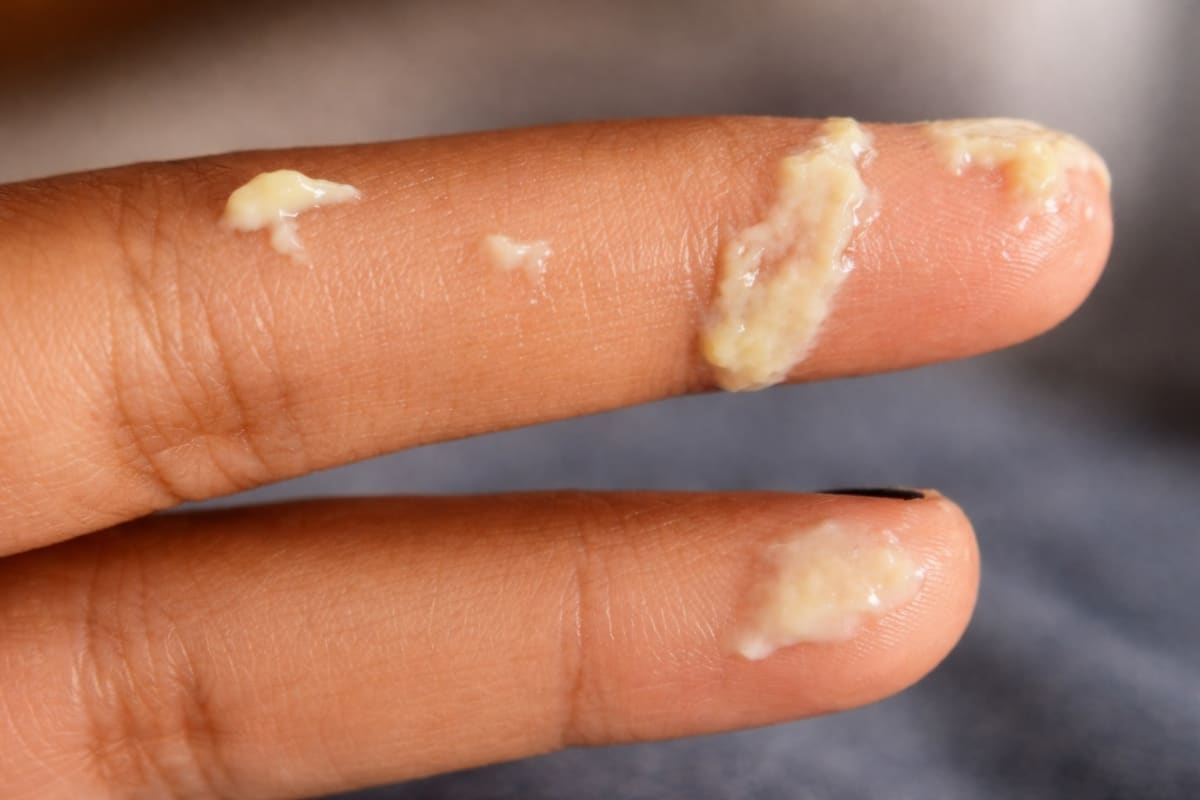
Up to 75% of women will have at least one yeast infection in their lifetime. The intense itching that makes you want to scratch through your clothes in public, thick white clumpy discharge that looks like cottage cheese, and burning and soreness around the vaginal opening. If that sounds familiar, you've already met this one.
Yeast infections are caused by a fungus called Candida that already lives in your vagina in small, harmless amounts. The problem starts when the bacterial balance is disrupted and Candida multiplies without anything holding it back.
Antibiotics are one of the biggest triggers. Pregnancy, hormonal contraceptives, uncontrolled diabetes, where excess blood sugar literally feeds the fungus, and tight non-breathable clothing all create conditions where yeast thrives. Yeast infections are not sexually transmitted. You can develop one without any sexual contact at all.
3. Trichomoniasis
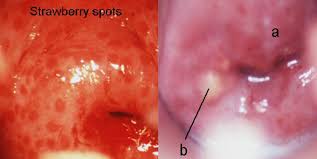
Trich is caused by a tiny parasite called Trichomonas vaginalis, and unlike BV and yeast infections, it is a true sexually transmitted infection. The WHO estimates around 156 million new cases globally every year, making it the most common non-viral STI in the world.
What makes trich particularly tricky is how invisible it can be. Most people who carry it have no symptoms. Men especially tend to carry it silently, meaning a woman can get treated and immediately reinfected by a partner who never knew he had it.
When symptoms appear, they include frothy yellow-green discharge, a foul smell, itching and soreness, burning during urination, and sometimes pain during sex. Untreated trich raises HIV risk and carries serious pregnancy complications, including preterm birth.
4. Aerobic Vaginitis and Atrophic Vaginitis
Aerobic vaginitis happens when harmful bacteria like E. coli replace healthy vaginal flora, causing heavy, discolored discharge with severe irritation and sometimes visible sores. It regularly gets misdiagnosed as BV but requires completely different treatment.
Atrophic vaginitis has nothing to do with bacteria or fungi. It's caused by low estrogen after menopause, thinning vaginal tissues, and dryness, burning, and painful sex. In Nigeria, where menopause is rarely discussed openly, many women suffer through these symptoms for years, not realizing there's a name for it and real options available.
Vaginal Infection Symptoms: What to Watch For
Thin grayish-white discharge with a fishy smell after sex is BV. Thick white clumpy discharge with intense itching is a yeast infection. Frothy yellow-green discharge with a foul odor after sexual exposure is trich. These differences matter because the treatment for each infection is completely different. Using the wrong one doesn't just fail. It can make things worse.
Vaginal Infection Symptoms Checklist
Discharge that changed in color, texture, or smell
Strong or fishy vaginal odor, especially after sex
Itching, burning, or irritation inside or around the vagina
Redness or swelling around the vaginal opening
Pain or discomfort during sex
Burning sensation when urinating
Symptoms that returned after previous treatment
If three or more of these are happening right now, see a gynecologist. Don't treat yourself based on a guess.
What Causes Vaginal Infections in Women?
Disruption of Natural Vaginal Bacteria
Almost every vaginal infection traces back to this. Something disrupts the protective bacterial balance, and harmful organisms fill the gap.
Douching needs its own moment here. Across Nigeria and much of Africa, vaginal washing with soaps, herbs, or antiseptics is framed as proper hygiene. Douching removes the bacteria that protect you. Every time you douche, you make yourself more vulnerable to the exact infections you're trying to avoid.
Lifestyle Habits That Increase Your Risk
Wearing tight synthetic underwear that traps moisture against the skin
Staying in wet swimwear or gym clothes for extended periods
Using scented pads, tampons, soaps, or vaginal sprays
Eating a diet consistently high in sugar, which feeds yeast overgrowth
Uncontrolled diabetes creates a sugar-rich environment in which yeast thrives
Frequent antibiotic use without probiotic support afterward
Can Stress Cause Vaginal Infections?
Indirectly yes. Chronic stress suppresses the immune system, and a weakened immune system struggles to keep vaginal bacteria in balance. It won't cause an infection alone, but it absolutely makes you more vulnerable when other triggers are already present.
Bacterial Vaginosis vs Yeast Infection: What Is the Difference?
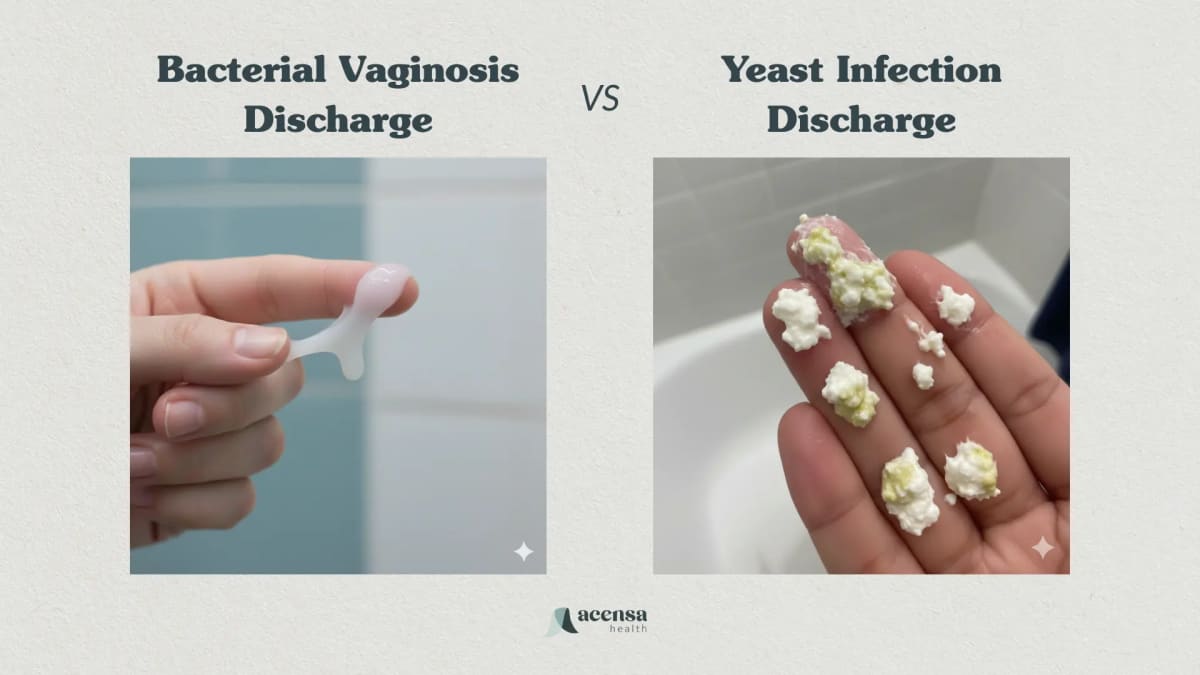
BV gives you thin watery discharge with a fishy smell and very little itching. A yeast infection gives you thick, clumpy discharge with intense itching and burning, and usually no significant odor.
Completely different treatments. BV needs antibiotics. A yeast infection needs antifungal medication. Using the wrong one doesn't just fail to cure the infection. It can disrupt the vaginal environment and make the next infection more likely. This is why reaching for any over-the-counter cream without a proper diagnosis can backfire badly.
Why Do I Keep Getting Vaginal Infections?
Recurring Vaginal Infections and What Causes Them
More than half of women who get BV experience a recurrence within six to twelve months. At least 8% of women get four or more yeast infections every year. If that's you, you're not doing anything wrong. You're dealing with a pattern that has specific unaddressed triggers.
Uncontrolled diabetes keeps feeding yeast. A partner who was never treated for trich keeps reinfecting you. Continued douching prevents vaginal flora from ever fully recovering. Frequent use of antibiotics repeatedly restarts the cycle.
When Recurring Infections Signal Something Deeper
If infections keep coming back despite proper treatment, have that conversation directly with your gynecologist. Persistent recurrence can point toward undiagnosed diabetes, immune issues, or hormonal imbalances that need to be addressed at the root.
When to See a Doctor for a Vaginal Infection
See a doctor if symptoms are new and unfamiliar. See a doctor if an over-the-counter treatment didn't work. See a doctor immediately if you are pregnant and notice any vaginal change at all. BV and trich both carry real pregnancy risks, and both respond well to early treatment.
Conclusion
Vaginal infections are not about cleanliness or character. They are medical conditions caused by biological imbalances, some preventable and some not.
Stop douching completely. Wear breathable cotton underwear. Avoid scented products near the vaginal area. Use condoms consistently. Manage blood sugar if diabetes is part of your picture. Show up to gynecological check-ups even when everything feels fine.
You don't have to carry this quietly. Vaginal infections are a normal part of women's health that millions of women navigate every year. Knowing what to look for and being willing to get help without shame or delay is what makes the difference.