7 Mental Health Conditions That Affect Women More Than Men
 Ezugwu Pauline
 7 MENTAL HEALTH CONDITIONS THAT AFFECT WOMEN MORE THAN MEN
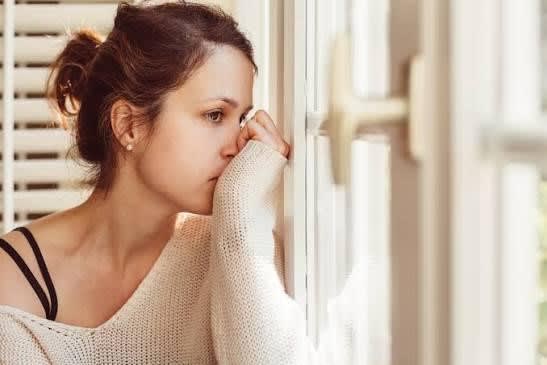
Women are more susceptible to certain mental health conditions due to biological, social, and economic factors; including hormonal shifts, higher rates of violence, and caregiving burdens of which the men do not experience.
Although, mental health problems can affect anyone, some conditions are more common in women than in men.
For example, a lot of individuals believe that boys are more likely to be diagnosed with ADHD compared to girls. However, this is not 100% true because ADHD symptoms in girls do not present themselves the same way as they do for boys, making it harder to identify this disorder in females. Boys are typically diagnosed with ADHD when behavior is more inappropriate, physically aggressive or more outgoing in social situations. On the other hand, girls tend to have symptoms that display low self-esteem or other symptoms that are harder to see in social situations.
Women are more likely to experience depression, anxiety, PTSD, suicide attempts, and eating disorders. Even when men and women have the same diagnosis, their symptoms can be different. Because of this, they may need different types of treatment.

WARNING SIGNS OF MENTAL ILLNESS
The five primary warning signs of mental illness are as follows:
1. Long-lasting sadness or irritability
2. Social withdrawal
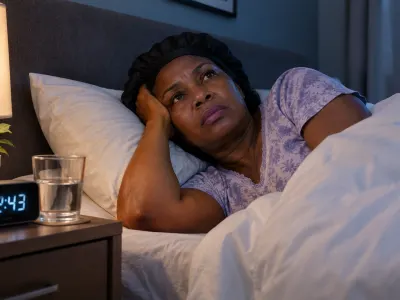
3. Change in sleep/appetite
4. Extreme mood swings
5. A significant drop in functioning (school, work, or daily life).
With these 5 warning signs, medical researchers have been able to select the 7 most common mental illnesses which is more visible in the female gender than their male counterparts and are also good indicators to seek professional help.
Here Are The 7 Mental Health Conditions That Affect Women More Than Men:
Depression (Major Depressive Disorder)
Women are twice as likely to experience depression compared to men. This is often connected to hormonal changes, social pressures, and economic disadvantage.
These hormonal changes can happen during puberty, pregnancy, after childbirth, and menopause. At the same time, many women face challenges like balancing work and family, gender inequality, and financial stress, which can increase emotional strain.
Depression in women may show up as sadness, loss of interest in activities, low energy, sleep problems, or feelings of worthlessness. Some women may also experience physical symptoms like headaches or body pain. Because of these factors, it is important for women to have access to support, understanding, and proper care.
Anxiety Disorders (including Generalized Anxiety Disorder)
Anxiety and Depression are close buddies and anxiety still follows the foot steps of his close pal,( affecting more women).
Anxiety may be linked to hormonal changes, daily stress, and life pressures such as family responsibilities, and work demands. It can show up as constant worry, restlessness, difficulty concentrating, trouble sleeping, or a fast heartbeat. Some women may also notice physical signs like headaches, stomach problems, or fatigue.
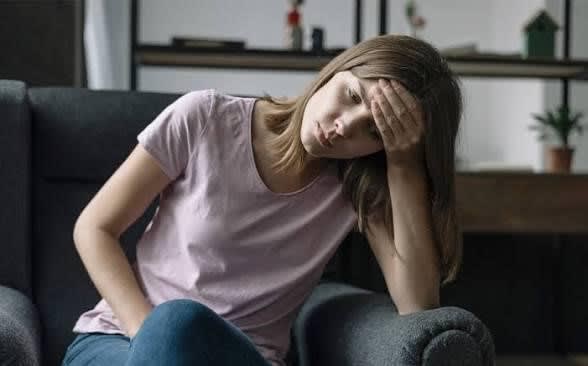
When anxiety happens together with depression, it can make daily life feel even more overwhelming, which is why early support and proper care are very important.
Post-Traumatic Stress Disorder (PTSD)
Due to higher rates of exposure to sexual violence and abuse, women are more likely to suffer PTSD.
This can also include experiences like domestic violence, childhood trauma, or emotional abuse, which can leave long-lasting effects on mental health.
PTSD may show up as flashbacks, nightmares, intense fear, or avoiding anything that reminds them of the traumatic event. Some women may feel constantly on edge, easily scared or emotionally numb.
Panic Disorder with Agoraphobia
This disorder, which involves a fear of situations with the feeling of being unable to escape. It often leads to avoiding places like crowded areas, public transport, or open spaces, because of the fear of panic or feeling trapped.
Many women with this condition may feel anxious even when leaving their homes, and in severe cases, they may choose to stay indoors most of the time.
Eating Disorders:
Conditions such as anorexia nervosa and bulimia nervosa are more prevalent in girls and women, often driven by the pressure from their peers.
This includes: unrealistic beauty standards, social media influence, and the desire to fit in. These disorders can involve extreme dieting, fear of gaining weight, binge eating, or unhealthy ways of trying to control weight. Over time, these can affect both physical health and emotional well-being.
Seasonal Affective Disorder (SAD)
Women are more likely to experience changes in mood associated with the seasons, a form of depression. This often happens when the weather changes, especially during periods with less sunlight. You might notice feeling low, tired, or less motivated than usual.
Some women also experience changes in sleep, appetite, or energy levels during these times. It can feel confusing at first, but it’s actually quite common.
Somatic Symptom Disorders
Women more often experience, or report, physical symptoms (like chronic pain or fatigue) that are linked to mental distress. This means that emotional stress doesn’t just stay in the mind—it can show up in the body too.
You might notice headaches, body aches, low energy, or feeling tired all the time, even when there’s no clear physical illness. It can feel frustrating, especially when it’s hard to explain.
Conclusion
You should know that this is real and quite common. Taking care of both your mental and physical health through constant exercising, adequate rest, external support, and a conversation with the right professionals, can make a big difference and help you feel more like yourself again.