Burns: Types, Causes, Symptoms, and What to Do Immediately
 Richard Ryanne Ugbedeojo
Burns: Types, Causes, Symptoms, and What to Do Immediately
Among most of the injuries people encounter, burns are among the most common. It could be a quick brush against a hot pot while cooking, or more serious accidents like a fire, electricity or chemicals.
Although minor burns could be treated at home, others may require medical attention immediately to prevent scarring, infection, or worse.
Here are the types of burns:
Burns are classified by their cause and the degree of skin damage.
Classification by Cause
Thermal Burns:
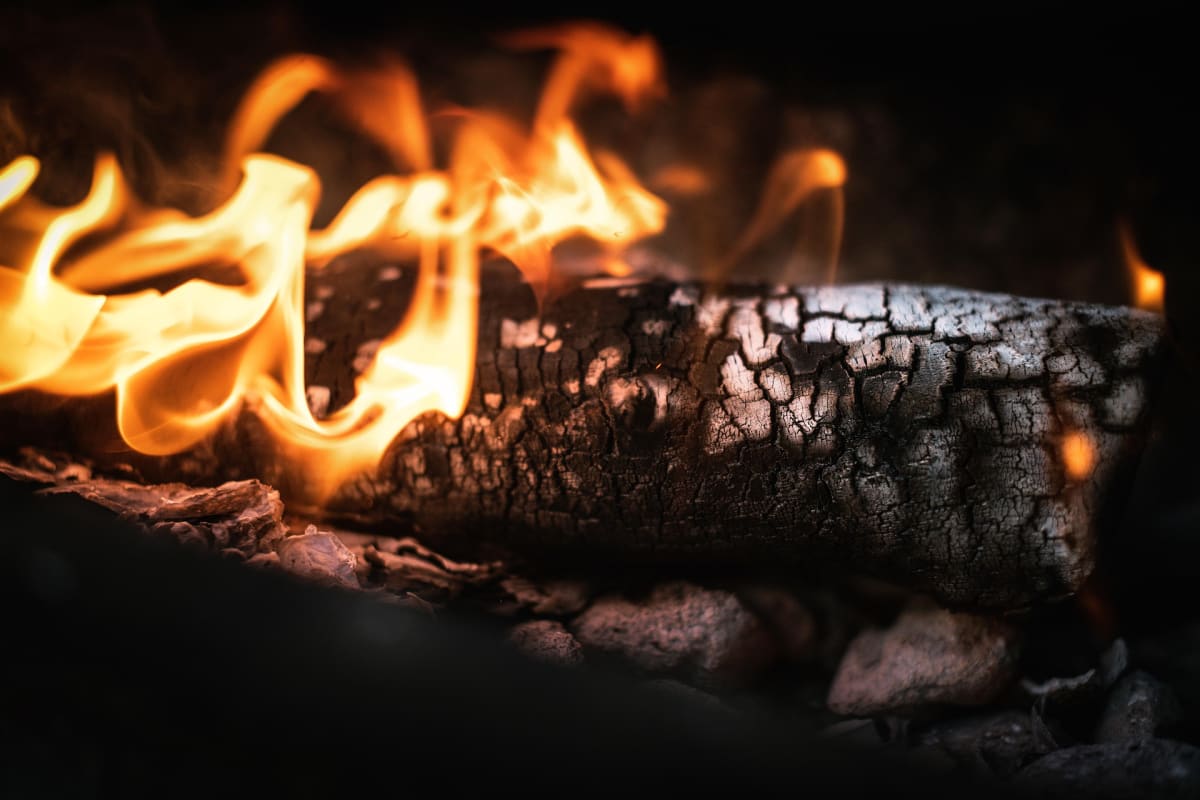
This type of burn is caused by external heat sources that raise the temperature of the skin, like open flames, very hot liquids, steam, or contact with hot metal. Frostbite (Extreme cold) is also considered a thermal cold burn.
Electrical Burns:

This burn is caused by coming into contact with electrical currents, defective electrical equipment or lightning.
Chemical Burns:
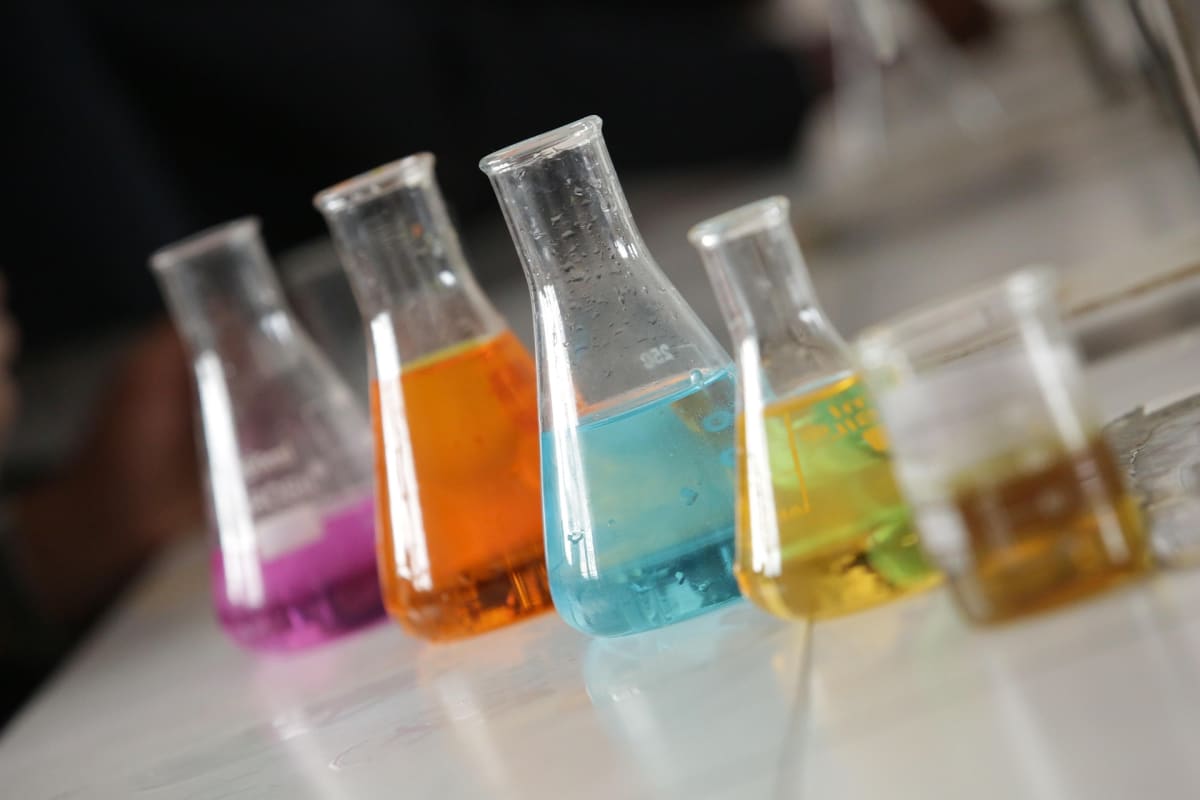
This type of burn is caused by strong acids, alkaline substances, cleaning chemicals (detergents), or solvents touching the skin or eyes.
Radiation Burns:
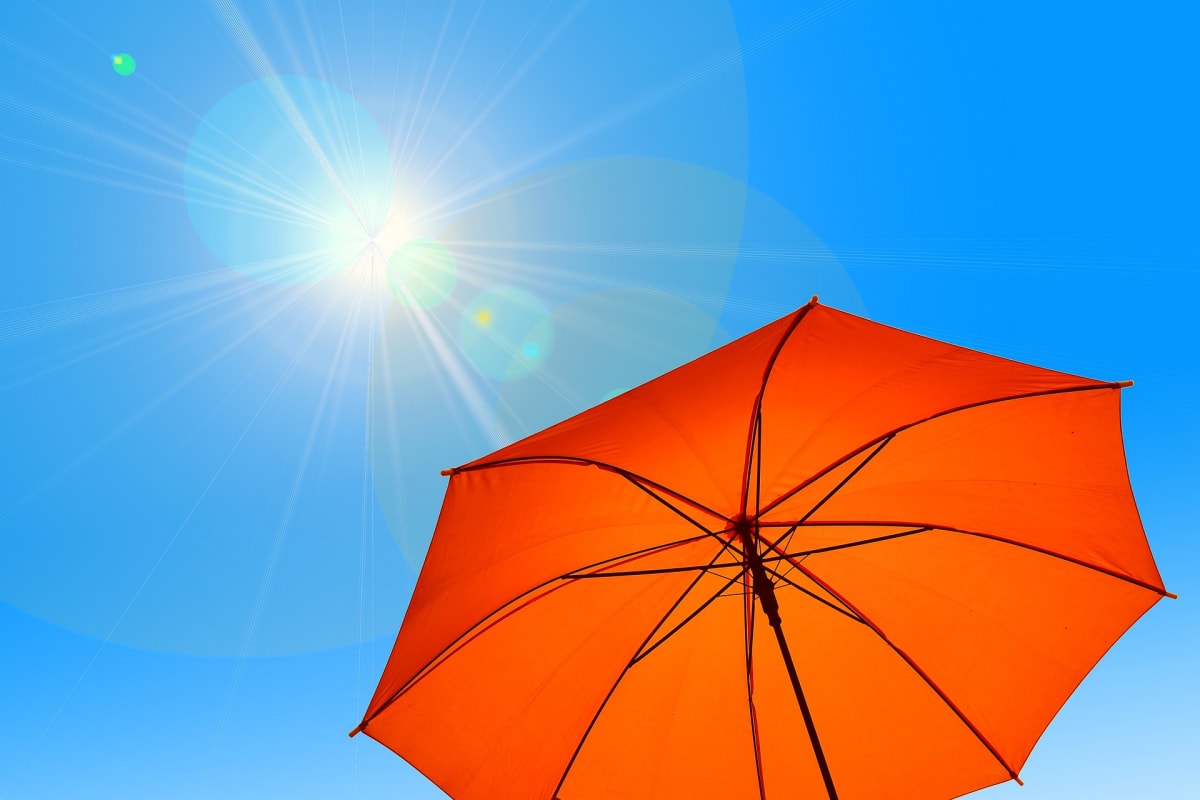
A radiation burn is caused by overexposure to UV rays from the sun, sunlamps, or medical treatments like X-rays.
Friction Burns:

This burn is caused by hard or rough rubbing against the skin, resulting in conditions like a road rash or carpet burn
Classification by Degrees
First-Degree:
This burn only affects or damages the outer layer of skin called the epidermis.
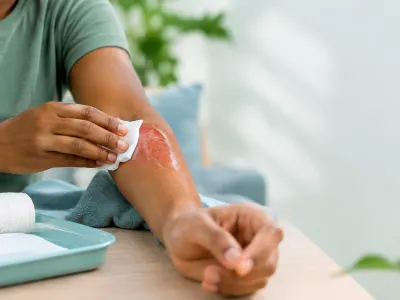
A first-degree burn is red without any blisters. It hurts when you touch it and may start to peel after a day or two.
First-degree burns may not need advanced medical care and will heal on their own.
Second-Degree :
A first-degree burn damages just the epidermis, but this burn damages the epidermis and part of the underlying dermis. The area will look red, swollen, very painful, and blistered, with blisters filled with fluid. This could be caused by hot objects, chemicals, hot liquids or foods.
Third-Degree:
This burn is the most serious type of burn. It destroys both the epidermis and dermis, eventually reaching subcutaneous tissue. The skin will appear white or charred. The affected person might feel no pain at all because third-degree burns destroy nerve endings.
What causes burns?
Burns happen in many ways, including:
Touching something too hot or cold.
Contact with hot liquids (like boiling water)
Conducting electrical current through your body from things like bad power lines, faulty power cables or cords, lightning and car batteries.
Falling on paved surfaces, which can cause road rash.
Moving against rough fabrics like in clothing and carpets, with a lot of force for an extended time.
Staying in the sun too long without properly protecting your skin
Direct contact with chemicals like the ones found in cleaning products and construction supplies. clevelandclinic.org
What are the symptoms of burns?
Pain
Burns can hurt a lot, especially when they happen in sensitive places like on your hands or your face. And while third-degree burns don’t hurt, the area around them may.
Skin appearance or texture changes
First-degree burns can cause peeling, second-degree burns can cause blistering, while deeper, more severe burns can make your skin leathery and stiff.
Changes in Color of Skin
Burns can cause red skin and can make your skin blister. It can also char your skin black or make it look gray. It all depends on the degree of the burn.
What to Do Immediately
Complications can occur when burns happen and nothing is done about them, especially when they’re deeper and cover more body surface area.
So here are some things you can do:
Stop the source of the burn immediately
Run cold water over the burn
Keep the burn area clean until professional help comes
Don't apply creams on the burn, and do not break any burn blisters found
Conclusion
Burns can happen anywhere. They could happen at work, at school, even when you're just home trying to use your curling iron. You might not be able to prevent every possible accident, but knowing how to respond if they occur is what matters.
Burns are common, but there are other things that could go wrong on a busy day. If you want to build a broader foundation for handling emergencies, check out https://www.medslearn.com/articles/first-aid-a-simple-guide-for-everyday-emergencies