Hospital-Acquired Infections (HAIs): What They Are, Why They Happen, and How You Can Protect Yourself
 mark ogujiuba
 Hospital-Acquired Infections (HAIs): What They Are, Why They Happen, and How You Can Protect Yourself
Hospitals save lives every day. Doctors, nurses, pharmacists, laboratory scientists, and other healthcare workers put in a lot of effort to diagnose illnesses, perform surgeries, and help patients recover.
Yet, like healthcare systems worldwide, hospitals deal with a challenge known as Hospital-Acquired Infections (HAIs).
The thought of getting an infection during or after a hospital stay can be scary, but these infections are relatively rare, often preventable, and should not keep you from seeking medical care when needed.
Awareness allows you to take an active role in your healthcare.
In this article, you will learn:
What Hospital-Acquired Infections are
Why they occur
The most common types
Who is at greater risk
How hospitals prevent them
Practical steps you can take to reduce your risk
What Is Hospital-Acquired Infections?
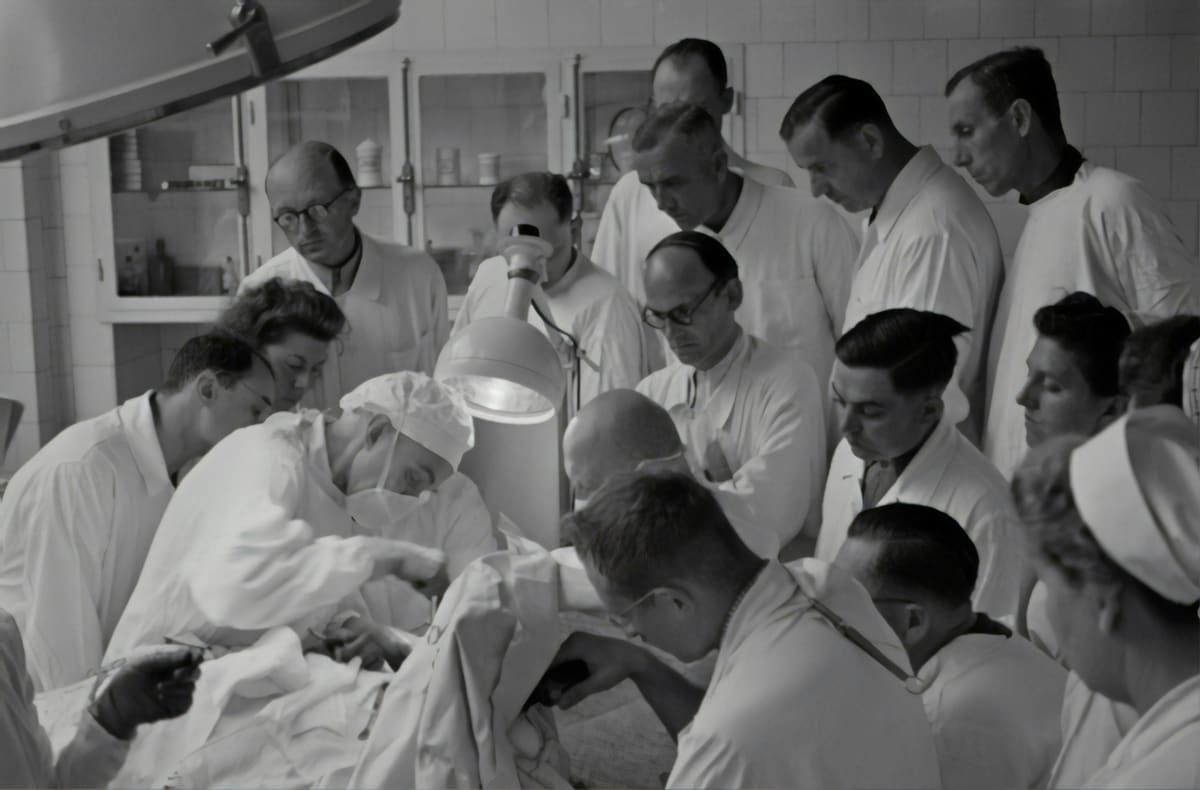
Hospital-Acquired Infections (HAIs), also called Healthcare-Associated Infections, are infections that occur while a patient is receiving treatment in a healthcare facility.
To qualify as an HAI:
The infection was not present or incubating when the patient was admitted.
It typically appears 48 hours or more after admission or after discharge following certain medical procedures.
These infections can affect patients recovering from surgery, those receiving intravenous medications, individuals using urinary catheters, or people admitted for extended treatment.
Why Do Hospital-Acquired Infections Happen?
Healthcare facilities treat thousands of patients daily.
Some patients carry infectious organisms, while others have weakened immune systems or need invasive medical procedures.
Medical devices such as:
Urinary catheters
Intravenous (IV) lines
Ventilators
Surgical instruments
can sometimes give germs a way into the body if strict infection prevention measures are not followed or unavoidable risks occur.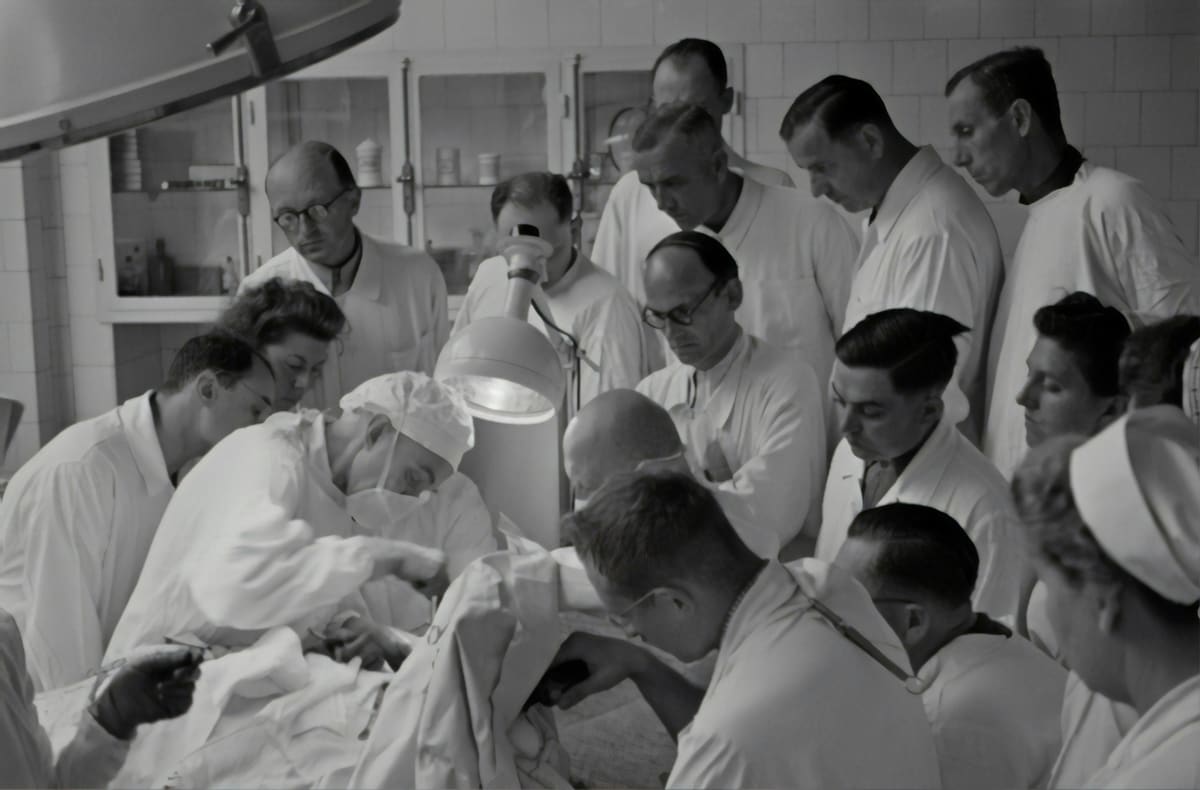
Fortunately, hospitals invest heavily in infection prevention through:
Hand hygiene
Sterilization of equipment
Environmental cleaning
Protective equipment
Staff training
Patient safety protocols
These steps have greatly reduced infection rates worldwide.
Common Types of Hospital-Acquired Infections
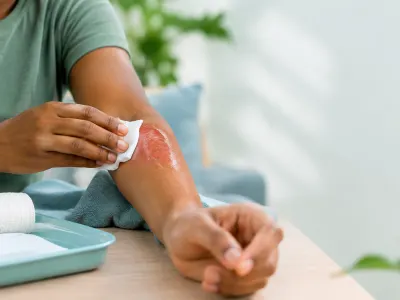
1. Surgical Site Infections (SSIs)
These happen around the area where surgery was performed.
Symptoms:
Redness
Swelling
Increased pain
Fever
Pus or drainage
2. Hospital-Acquired Pneumonia (HAP)
This lung infection develops during hospitalization, especially among patients using ventilators or intensive care.
Symptoms:
Persistent cough
Fever
Chest pain
Difficulty breathing
Increased mucus production
3. Bloodstream Infections (BSIs)
These happen when bacteria or fungi enter the bloodstream, often through IV lines or central venous catheters.
Symptoms:
High fever
Chills
Rapid heartbeat
Weakness
Confusion
Low blood pressure
4. Catheter-Associated Urinary Tract Infections (CAUTIs)
Urinary catheters raise the risk of infection when left in place for long periods.
Symptoms:
Pain during urination
Fever
Lower abdominal pain
Cloudy urine
Foul-smelling urine
5. Drug-Resistant Infections
Some bacteria do not respond to commonly used antibiotics anymore.
Examples include:
- MRSA (Methicillin-resistant Staphylococcus aureus)
- Clostridioides difficile (C. difficile)
These infections often need specialized treatment.
Who Is Most at Risk?
Anyone can get a hospital-acquired infection, but some people have a higher risk.
These include:
Older adults
Newborn babies
Patients with weakened immune systems
People living with diabetes
Cancer patients
Kidney disease patients
Surgical patients
ICU patients
Patients with long hospital stays
Individuals using IV lines or urinary catheters
How Hospitals Prevent HAIs
Modern healthcare facilities follow strict infection prevention measures.
These include:
Hand hygiene
Sterilization of surgical instruments
Routine cleaning and disinfection
Safe antibiotic use
Isolation precautions for infectious patients
Staff education and ongoing monitoring
These practices save many lives each year.
How You Can Protect Yourself
Healthcare is a partnership.
Patients and families also play a crucial role in preventing infections.
Here are some simple but effective tips:
Wash Your Hands
Always clean your hands before eating, after using the restroom, and whenever you enter or leave a patient's room.
Speak Up
Don’t hesitate to ask healthcare workers if they have cleaned their hands before examining you.
Follow Medical Instructions
Take medications exactly as prescribed.
Attend follow-up appointments.
Carefully follow wound-care instructions.
Keep Wounds Clean
If you've had surgery, check your wound daily for redness, swelling, pain, or drainage.
Avoid Misusing Antibiotics
Never self-medicate.
Only use antibiotics prescribed by a qualified healthcare professional.
Know the Warning Signs
Seek medical care immediately if you develop:
Fever
Increasing pain
Swelling
Redness
Pus
Persistent cough
Difficulty breathing
Early treatment often leads to better outcomes.
A Story That Shows Why Awareness Matters
Sarah's Story (Illustrative Example)
Sarah, a 34-year-old teacher, had a routine procedure that went well. She was discharged after two days and was eager to return to her normal life.
A few days later, she noticed that the area around her surgical wound had become increasingly red and swollen. She also developed a fever. At first, she thought it was just part of the healing process and decided to wait.
When her symptoms worsened, Sarah contacted her healthcare provider. After an examination, she was diagnosed with a surgical site infection, a type of hospital-acquired infection that can happen after surgery even with proper medical care.
Fortunately, since she sought medical attention early, treatment started right away, and she made a full recovery.
Later, Sarah reflected:
"I thought I was overreacting, but I'm glad I listened to my body and reached out to my doctor. Acting early made all the difference."
Sarah's story highlights that recognizing symptoms early and seeking professional care can help prevent minor infections from becoming more serious.
Should You Be Afraid of Hospitals?
Absolutely not.
Hospitals are among the safest places to receive emergency treatment, surgery, childbirth services, and care for serious illnesses.
Healthcare professionals work tirelessly to reduce infection risks and provide safe, high-quality care.
The purpose of learning about Hospital-Acquired Infections is not to create fear—it’s to help you become an informed patient who recognizes symptoms, asks questions, and actively participates in your care.
Knowledge builds confidence, not fear.
Frequently Asked Questions (FAQs)
What Is Hospital-Acquired Infections (HAIs)?
HAIs are infections that occur during treatment in a healthcare facility and were not present when the patient was admitted.
How common are hospital-acquired infections?
They happen worldwide and impact millions of patients each year. However, improvements in infection prevention have reduced many of these infections, and healthcare facilities continue to enhance safety practices.
Can hospital-acquired infections be prevented?
Many can be prevented through proper hand hygiene, sterilization of medical equipment, safe use of antibiotics, environmental cleaning, and patient awareness.
Who is most at risk?
People at higher risk include older adults, newborns, patients with weakened immune systems, surgical patients, ICU patients, and individuals using medical devices like catheters or IV lines.
What are the most common hospital-acquired infections?
The most common include:
Surgical Site Infections (SSIs)
Hospital-Acquired Pneumonia (HAP)
Bloodstream Infections (BSIs)
Catheter-Associated Urinary Tract Infections (CAUTIs)
Drug-resistant infections such as MRSA and Clostridioides difficile (C. difficile)
What symptoms should I watch for?
Common warning signs include:
Fever
Chills
Redness
Swelling
Pain
Pus
Persistent cough
Difficulty breathing
Painful urination
If you notice these symptoms after a hospital stay or medical procedure, contact your healthcare provider right away.
Should I avoid hospitals because of HAIs?
No. The benefits of getting timely medical care almost always outweigh the risk of getting an infection. Hospitals have strong infection prevention measures in place to protect patients.
How can I reduce my risks?
You can lower your risk by:
Wash your hands regularly.
Following your healthcare provider's instructions.
Taking medications as prescribed.
Keeping wounds clean.
Reporting new symptoms promptly.
Politely reminding healthcare workers about hand hygiene if needed.
Final Thoughts
Hospital-Acquired Infections are a real healthcare issue, but they are also among the most preventable. By following strong infection control practices, using antibiotics responsibly, and actively participating in their own care, both healthcare providers and patients can greatly reduce the risk.
Remember, the goal is not to fear hospitals but to be informed. When you understand the risks, notice warning signs early, and collaborate with your healthcare team, you help protect your health and recovery.
At MedsLearn, we aim to provide reliable, evidence-based health information that empowers you to make informed decisions every day.
Need professional medical advice without leaving your home?
Visit TalkToMeds.com to book secure online consultations with licensed healthcare professionals. Whether you have questions about an illness, need follow-up care, or want expert guidance, quality healthcare is just a few clicks away.
Stay informed. Stay healthy. Stay empowered.