Communicable and Non-Communicable Diseases: Two Illnesses, One Family, and a Lesson We All Need to Learn
 mark ogujiuba
 Communicable and Non-Communicable Diseases: Two Illnesses, One Family, and a Lesson We All Need to Learn
Take a minute to imagine this.
On a rainy Monday morning in Abuja, the Okafor family had a busy week ahead.
Ten-year-old Chinedu woke up with a high fever and complained of body aches. His mother thought it was just stress from school, but by evening, the fever had worsened. At the hospital, the doctor confirmed it was malaria; a disease spread through the bite of an infected mosquito.
While everyone focused on helping Chinedu recover, another surprise was waiting.
His father, Mr. Okafor, had gone to the hospital to keep his son company. Since he was there, the doctor suggested he have a routine health check.
"I feel perfectly fine," he said with a smile.
A few minutes later, the nurse checked his blood pressure.
182/110 mmHg.
The doctor repeated the test.
It was still dangerously high.
Mr. Okafor was shocked.
"I don't feel sick."
The doctor gently explained that high blood pressure often shows no symptoms until it causes serious complications like a stroke, heart attack, or kidney disease.
In one family, on the same day, two completely different illnesses had been found.
One could spread through a mosquito.
The other couldn’t spread to anyone, but it could quietly harm the body for years.
That day, the Okafor family learned an important lesson:
Not every disease spreads, but every disease deserves attention.
Why This Matters
Many people think illnesses fit into just one category—you're either "infected" or you're "not."
The truth is quite different.
Doctors generally divide diseases into two groups:
Communicable diseases – illnesses caused by germs that can spread from one person, animals, food, water, or insects.
Non-communicable diseases (NCDs) – illnesses that do not spread between people but often develop slowly over time.
Understanding the difference helps us know how to prevent disease, when to seek treatment, and how to protect those around us.
What Are Communicable Diseases?
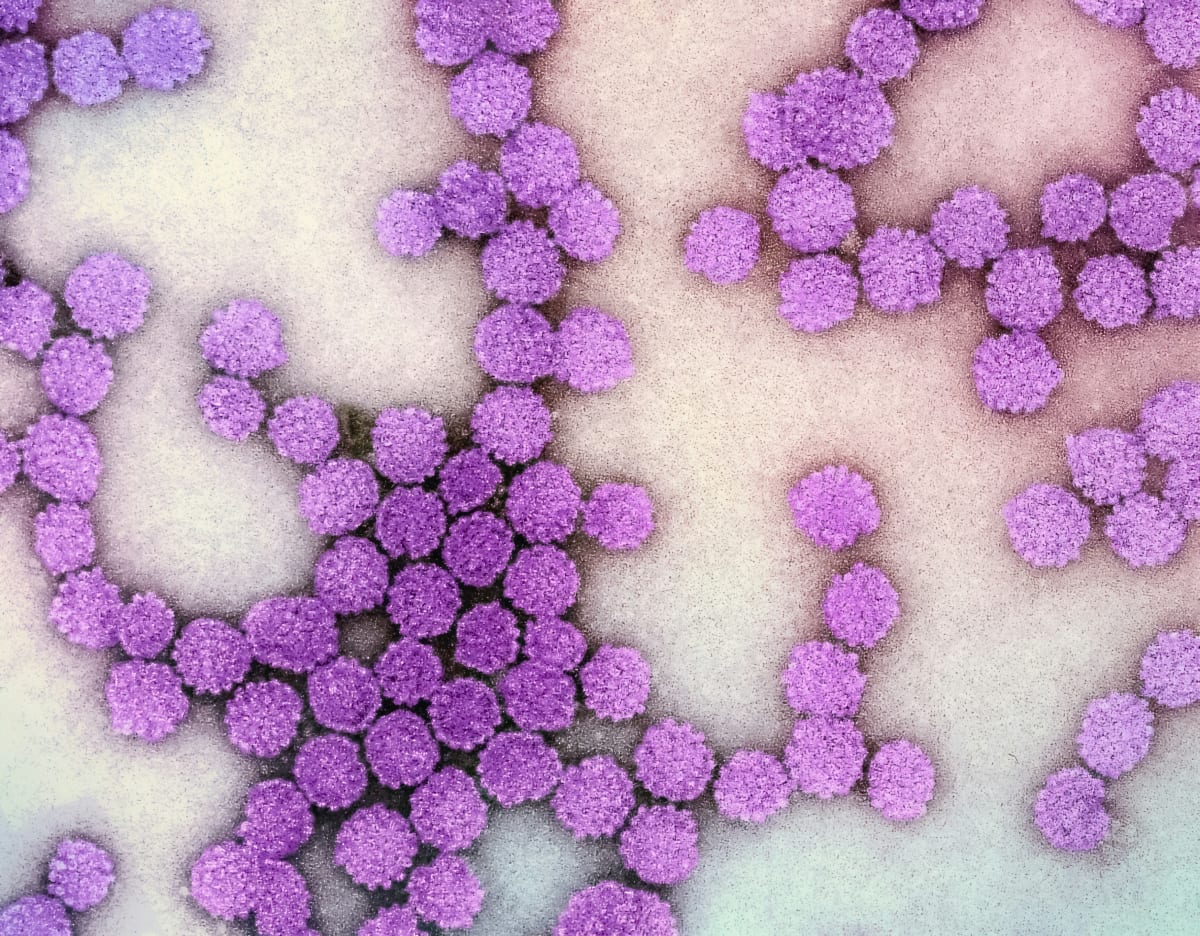
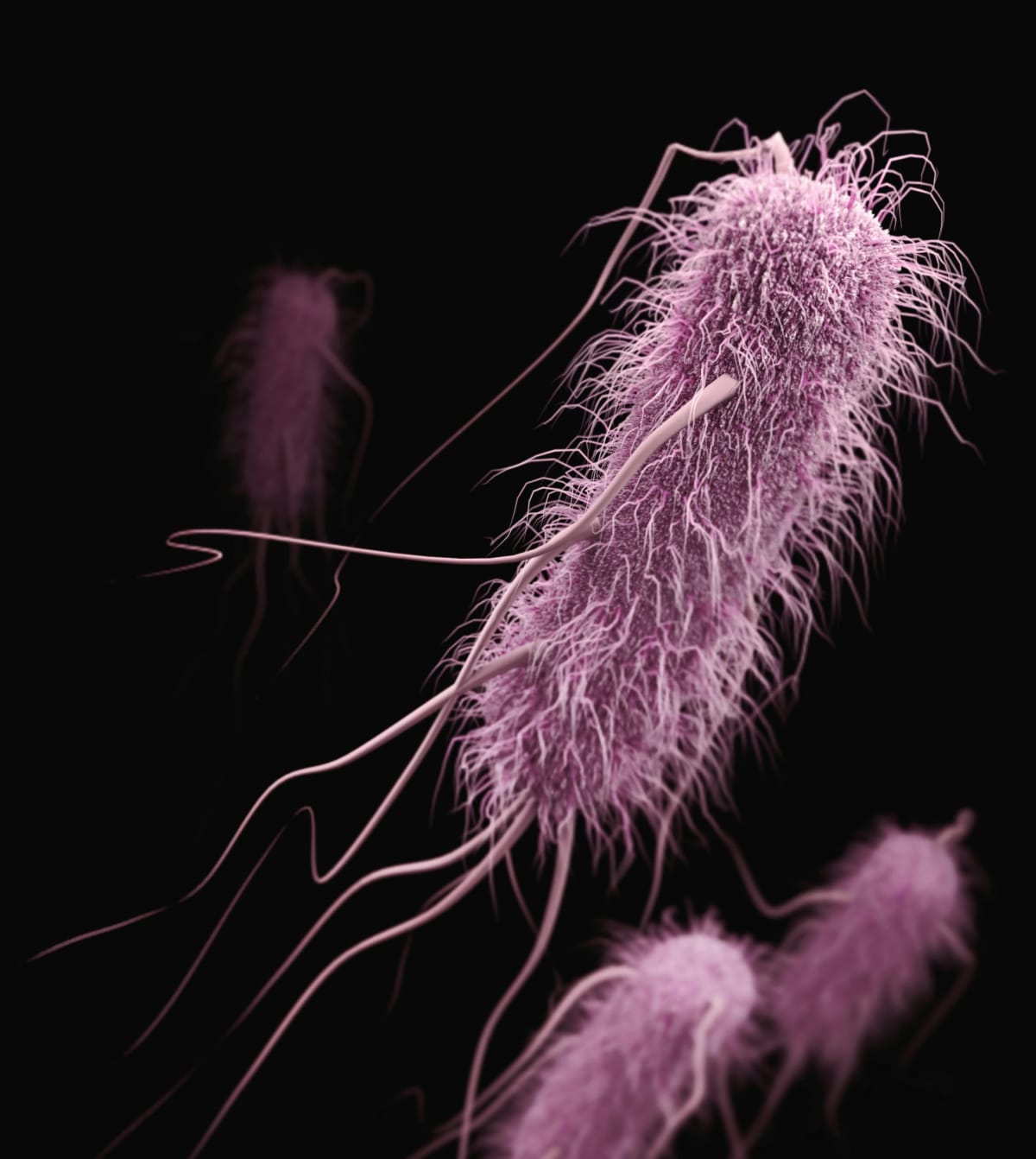
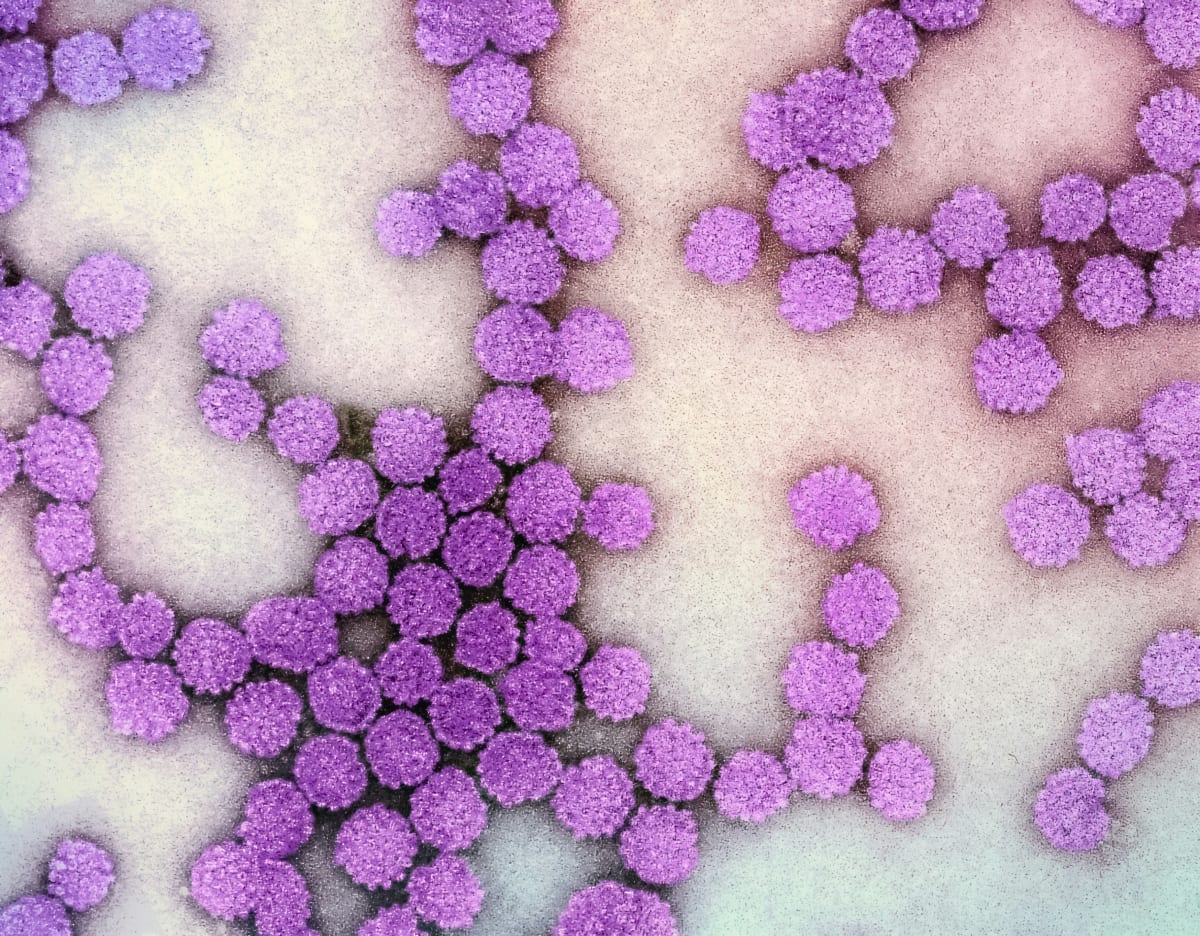
Communicable diseases are illnesses caused by microorganisms such as:
Viruses
Bacteria
Parasites
Fungi
These microorganisms enter the body, multiply, and cause disease.
Unlike many chronic illnesses, communicable diseases can often spread from one person or another source.
Think of them as travelling illnesses.
Some spread through the air.
Others spread through contaminated food or water.
Some spread through blood.
Others require insects like mosquitoes as carriers.
Common Communicable Diseases
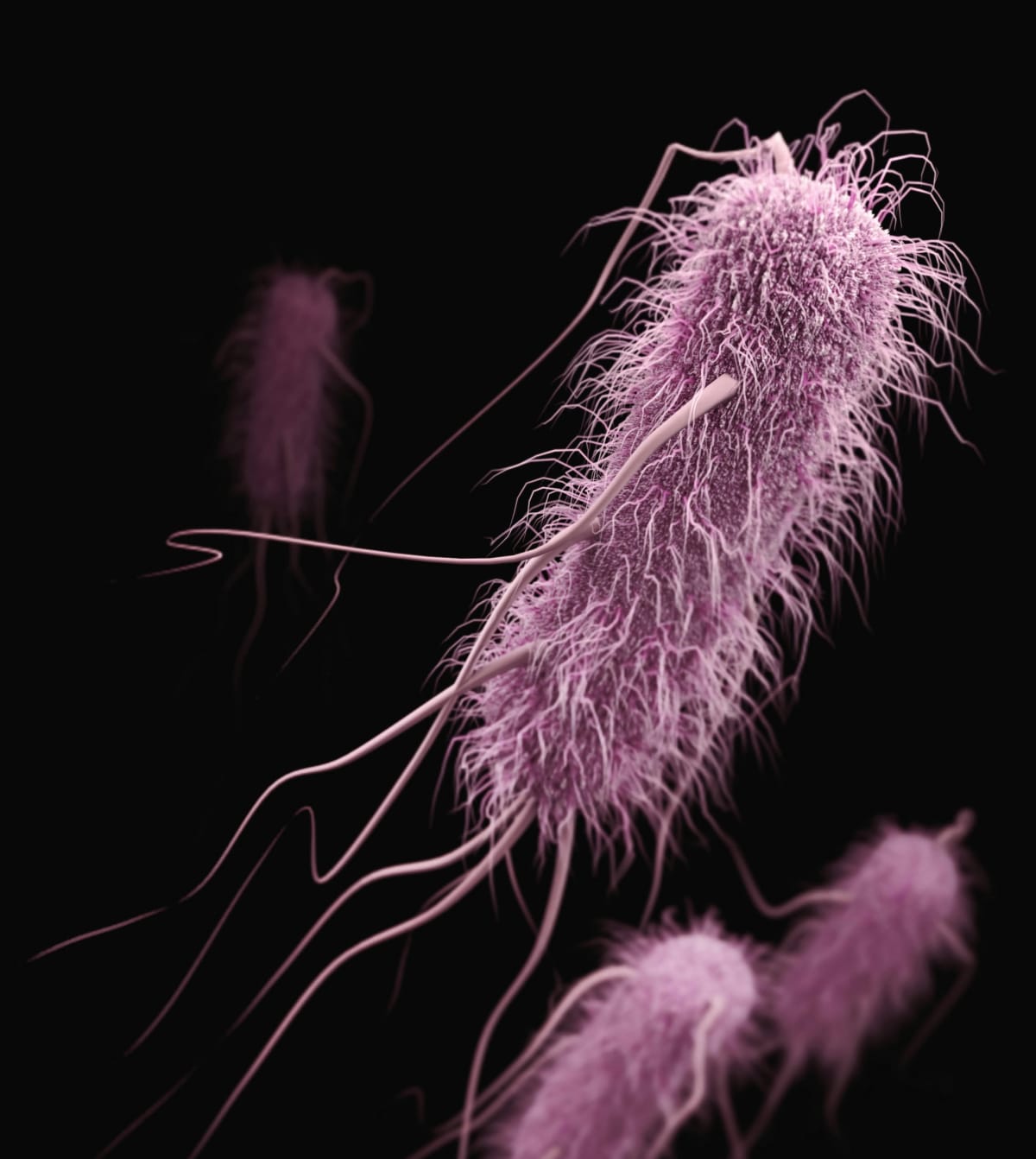
Millions of people around the world suffer from communicable diseases every year.
Some common examples include:
Tuberculosis (TB)
COVID-19
Influenza (Flu)
HIV/AIDS
Cholera
Typhoid fever
Measles
Chickenpox
Hepatitis A, B, and C
Dengue fever
Yellow fever
Rabies
Many of these diseases can be prevented with vaccines, better sanitation, mosquito control, and early treatment.
How Do Communicable Diseases Spread?
Every disease has its own way of spreading.
Through the Air
When someone with influenza, COVID-19, or tuberculosis coughs, sneezes, or even talks, tiny droplets containing germs can enter the air.
People nearby may breathe them in and become infected.
Through Mosquitoes and Other Insects
Unlike a cold or flu, malaria doesn't spread by shaking hands.
Instead, an infected female Anopheles mosquito carries the parasite from one person to another.
Other insects spread diseases too, including dengue fever and yellow fever.
Through Food and Water
Imagine buying food from a roadside vendor who unknowingly used contaminated water.
Within days, several customers develop severe diarrhea.
Diseases like cholera and typhoid often spread this way.
Through Blood and Body Fluids
Some infections spread through:
Unprotected sexual contact
Sharing needles
Unsafe blood transfusions
Mother-to-child transmission during pregnancy or birth
Examples include HIV and hepatitis B.
From Animals
Diseases that move from animals to humans are called zoonotic diseases.
Examples include rabies, Ebola, and Lassa fever.
Signs You May Have a Communicable Disease
Symptoms vary, but may include:
Fever
Chills
Persistent cough
Sore throat
Vomiting
Diarrhea
Skin rashes
Headache
Difficulty breathing
Body weakness
If symptoms are severe, persistent, or worsening, seek medical care promptly.
What Are Non-Communicable Diseases?
Unlike infections, non-communicable diseases cannot spread from one person to another.
You cannot "catch" diabetes by sitting beside someone.
You cannot get hypertension from sharing food.
These illnesses usually develop over months or years and often result from a mix of genetics, lifestyle, environmental factors, and aging.
Because they develop gradually, many people don’t realize they have them until complications occur.
That's why they're sometimes called silent killers.
The Four Biggest Non-Communicable Diseases
Heart and Blood Vessel Diseases
These include:
High blood pressure
Heart attacks
Stroke
Heart failure
Cardiovascular diseases remain one of the leading causes of death worldwide.
Diabetes
Diabetes happens when the body struggles to regulate blood sugar.
Over time, uncontrolled diabetes can damage the eyes, kidneys, nerves, heart, and blood vessels.
Cancer
Cancer occurs when abnormal cells grow uncontrollably.
Early detection greatly improves treatment outcomes for many types of cancer.
Chronic Lung Diseases
Conditions such as asthma and chronic obstructive pulmonary disease (COPD) can make breathing difficult and often require long-term management.
Why Are Non-Communicable Diseases Increasing?
Modern lifestyles have changed dramatically.
Many people:
Sit for long hours.
Exercise less.
Eat more processed foods.
Regularly consume sugary drinks.
Sleep too little.
Experience chronic stress.
Smoke or use tobacco products.
Drink excessive amounts of alcohol.
Over time, these habits raise the risk of chronic illnesses.
The Silent Nature of Non Communicable Diseases
One of the biggest dangers is that many people feel healthy.
Mr. Okafor had no headache.
No dizziness.
No chest pain.
Yet his blood pressure was dangerously high.
The same happens with diabetes, kidney disease, and high cholesterol.
Routine health checks often find these conditions long before symptoms appear.
Communicable vs Non-Communicable Diseases
Communicable Diseases | Non-Communicable Diseases |
Caused by germs | Usually caused by lifestyle, genetics, environment, and aging |
Can spread | Cannot spread |
Often develop quickly | Usually develop slowly |
Many are preventable with vaccines and hygiene | Many are preventable through healthy living |
Often cured with appropriate treatment | Usually require lifelong management |
Can You Have Both?
Absolutely.
A person with diabetes may develop tuberculosis.
Someone with heart disease can catch influenza.
A cancer patient may develop pneumonia.
In fact, people dealing with chronic illnesses often have weaker immune systems or other health risks that make infections more dangerous.
Protecting Yourself and Your Family
Fortunately, many diseases can be prevented.
Simple habits make a big difference.
Prevent Communicable Diseases
Wash your hands regularly.
Drink safe, clean water.
Practice good food hygiene.
Get recommended vaccinations.
Sleep under insecticide-treated mosquito nets in areas where malaria is common.
Practice safe sex.
Seek treatment early when you're ill.
Reduce Your Risk of Non-Communicable Diseases
Eat more fruits and vegetables.
Reduce salt, sugar, and unhealthy fats.
Stay physically active.
Maintain a healthy weight.
Avoid tobacco.
Limit alcohol.
Sleep well.
Manage stress.
Go for regular health screenings—even if you feel well.
A Lesson Worth Remembering
Months after that hospital visit, Chinedu fully recovered from malaria.
Mr. Okafor also made important changes.
He reduced the salt in his meals, started walking every morning with his wife, stopped missing medical appointments, and took his prescribed medications regularly.
A year later, his blood pressure was well-controlled.
Looking back, he often recalls something his doctor told him that day:
"The disease you can see isn't always the most dangerous. Sometimes it's the one quietly growing without symptoms."
That advice changed his life.
Final Thoughts
Communicable diseases and non-communicable diseases may be very different, but they share one important truth: both can affect anyone.
Some illnesses arrive suddenly through infections, while others build quietly over many years. Both deserve attention, and both can have significant consequences if ignored.
The good news is that many diseases are preventable. Vaccination, good hygiene, healthy eating, regular exercise, routine medical check-ups, and seeking professional care early are some of the most effective tools we have to protect ourselves.
Your health isn’t something to put off until tomorrow.
Whether it's treating a fever, checking your blood pressure, or simply choosing a healthier meal today, small actions can lead to lifelong changes.
Because prevention doesn't just save money—it saves lives.