Can Papaya Really Heal Stomach Ulcer? Benefits, Risks, and What Science Says
 Attah Oluchukwu Vivian
 Can Papaya Really Heal Stomach Ulcer? Benefits, Risks, and What Science Says
Your stomach has been burning for weeks. Someone in your family, maybe your mum, maybe your aunty, hands you a bottle of liquid that smells faintly like fermented fruit. Unripe pawpaw soaked in water for four days. Skin, seeds, everything inside the bottle. "Drink it every morning. It will finish the ulcer."
You have probably heard this before. If you grew up in Nigeria, you have almost certainly seen it.
The thing is, pawpaw for stomach ulcers is not just a random myth someone invented. This remedy has been passed down through generations across Nigerian households, and there is actual research into why people believe it works. But believing something and it actually working the way people describe are two very different things.
So let us get into it properly.
What a Stomach Ulcer
A stomach ulcer is basically an open wound inside your stomach. Your stomach produces acid every day to break down food. Normally, the lining of the stomach has a protective layer that shields it from that acid. When that protection gets damaged, the acid starts eating into the stomach wall itself. That is the burning, gnawing pain that gets worse when you are hungry or stressed.
Most stomach ulcers in Nigeria are caused by a bacteria called H. pylori, Helicobacter pylori. The other common cause is taking painkillers like ibuprofen and diclofenac too often or on an empty stomach. Stress and pepper do not cause ulcers on their own. But they make existing ulcers feel ten times worse.
What Is Actually Inside Pawpaw
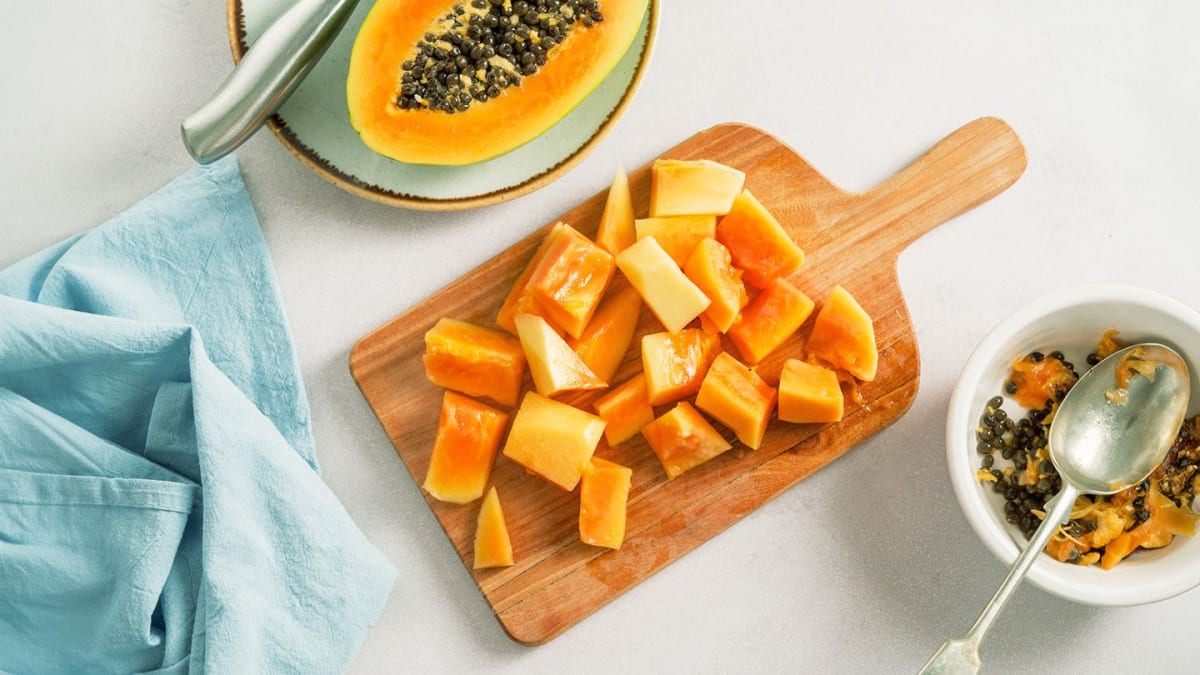
Papaya is not just a sweet fruit with nice colour. It contains compounds that scientists have been genuinely studying for their effect on digestion and the stomach lining.
The main one is papain, a digestive enzyme found heavily in unripe pawpaw. Papain breaks down protein and helps the digestive system work more smoothly. Beyond that, papaya contains flavonoids, polyphenols, alkaloids, carpaine, and vitamins C and A. These are not just long words. Flavonoids and polyphenols are anti-inflammatory compounds. Carpaine has shown antimicrobial behaviour in lab studies. Vitamin C helps with tissue repair.
So when someone says pawpaw is good for the stomach, they are not entirely wrong. There is real chemistry behind the claim. The disagreement is about how much it actually does inside a real human body.
What the Research Says and What It Does Not
Animal studies on papaya and stomach ulcers are actually consistent. Multiple studies show that extracts from papaya seeds and leaves reduce ulcer formation in rats significantly. One study found the protection was comparable to omeprazole, which is the standard ulcer drug most Nigerian doctors prescribe. Papaya leaf extract also reduced alcohol-triggered gastric ulcers and oxidative damage in rats.
There is also a Nigerian study worth mentioning. Researchers in Ondo State tested papaya leaf extract directly against H. pylori bacteria taken from real ulcer patients in Nigeria. The extract showed clear antimicrobial activity against the bacteria in lab conditions. That is not nothing.
But here is the part that most pawpaw remedy posts leave out. Every single one of these studies was done on animals or in a laboratory. There is no large clinical trial done on human beings that confirms papaya treats or cures stomach ulcers. The science is promising. It is not proof. And that gap matters a lot when someone is using pawpaw water instead of going to a hospital.
The Pawpaw Water Remedy Specifically
The specific preparation most Nigerians use, unripe pawpaw soaked in water for days and drunk every morning, has actually been fact-checked. Africa Check investigated it directly and found it was not supported by clinical evidence. A doctor at Alimosho General Hospital in Lagos said plainly that folk remedies like this get shared widely on social media despite not having the evidence to back them up.
There is also a study from Babcock University that tested the microbial content of exactly this kind of preparation. What they found was that the liquid, prepared the way herbalists and most homes do it, contained significant bacterial contamination. So now you have a stomach that already has an open wound, and you are drinking something that carries its own bacteria into it. That is a real problem, separate from whether the pawpaw compounds even work.
What Papaya Can Actually Do for You
Saying pawpaw water does not cure ulcers is not the same as saying papaya is useless for ulcer patients. Those are two different statements.
Ripe papaya, eaten as a regular fruit, is genuinely supportive for people managing stomach ulcers. The anti-inflammatory compounds help calm irritation in the stomach lining. The antioxidants protect the mucosa from further damage. Papain supports digestion and reduces the bloating and discomfort that come after eating when you have an ulcer. Ripe papaya is soft, easy to digest, and not acidic, which matters because ulcer patients often struggle to eat without triggering pain.
None of this closes an ulcer or kills H. pylori. But it supports your stomach while your actual treatment does the real work. That is a legitimate benefit.
The Risks People Do Not Talk About
Unripe pawpaw is a completely different conversation from ripe pawpaw, and most people mix the two up.
Unripe papaya has a very high papain concentration. At those levels, papain can irritate the oesophagus, not protect it. High-dose papaya leaf extract in animal studies actually caused stomach lining damage at very high doses. The fruit people assume will heal their stomach can make things worse if they eat or drink too much of it in the wrong form.
Pregnant women should avoid unripe papaya completely. The compounds in unripe pawpaw can trigger uterine contractions. This is not a debate in the medical community. It is a clear warning.
And perhaps the most important risk of all is delay. Someone who spends two or three weeks drinking pawpaw water instead of seeing a doctor is giving an H. pylori infection extra weeks to get worse. By the time they eventually go to a hospital, the ulcer may have progressed significantly. The remedy is not just ineffective in that case. The time spent on it actively causes harm.
Ripe Versus Unripe: Which One to Actually Choose
Ripe papaya eaten as food is fine for ulcer patients. It is safe, gentle, and the research supporting its anti-inflammatory properties is real enough to include it in your diet confidently.
Unripe papaya in large amounts, or soaked as a water preparation and drunk daily, carries more risk than benefit. The enzyme concentration is too high, the stomach irritation risk is documented, and the home preparation method introduces the microbial contamination problem on top of everything else.
Eat the ripe orange fruit. Leave the green soaking water alone.
What to Eat and What to Cut Back On
If you have a stomach ulcer, your diet matters.
Ripe papaya, banana, and watermelon are all gentle on the stomach and safe to eat regularly. Broccoli and cabbage contain a compound that may suppress H. pylori activity, which is why some doctors mention them. Plain yogurt supports gut bacteria. Oats coat the stomach lining and are easy to digest.
On the other side, ibuprofen and diclofenac taken regularly without food are directly responsible for many ulcers in Nigeria. Alcohol strips the stomach lining. Coffee, carbonated drinks, and very spicy food do not cause ulcers but they will make your symptoms feel brutal if you already have one. Processed and fried food is harder for an irritated stomach to handle.
Conclusion
Papaya is genuinely good for your stomach. Its anti-inflammatory compounds are real. The early research showing it may have activity against H. pylori is real. Eating ripe pawpaw regularly while you are managing a stomach ulcer is a reasonable and sensible thing to do.
But it does not cure ulcers. Pawpaw water does not close open wounds on your stomach lining. H. pylori is a bacterial infection and it needs antibiotics prescribed by a doctor to be properly cleared. No fruit does that job regardless of how many bioactive compounds it contains.
Eat ripe pawpaw. Include it in your diet. But also go to the hospital. Find out if H. pylori is what is causing your pain. Get tested. Get properly treated.
Because a fruit that supports recovery is valuable. A fruit that replaces medical care is dangerous.
Frequently Asked Questions
Is papaya good or bad for stomach ulcers?
Ripe papaya is good for ulcer patients. It is gentle, anti-inflammatory, and easy to digest. Unripe papaya in large amounts or as a concentrated liquid is a different matter. The high papain content can irritate the digestive tract rather than soothe it.
Can pawpaw water cure a stomach ulcer?
No. Africa Check investigated this specific claim and found no clinical evidence to support it. A Lagos-based doctor confirmed these remedies are widely shared on social media without proof. The traditional preparation also carries bacterial contamination risk when made at home without proper hygiene standards.
Does papaya kill H. pylori?
A study in Ondo State found that papaya leaf extract showed antimicrobial activity against H. pylori in lab conditions. That is genuinely interesting early evidence. But lab activity is not the same as a clinical cure. H. pylori requires proper antibiotic treatment confirmed by a qualified doctor.
Is ripe or unripe pawpaw better for ulcer patients?
Ripe papaya is significantly safer. Unripe papaya has higher papain concentrations, which can irritate the oesophagus and stomach lining. The anti-ulcer animal studies used controlled laboratory extracts, not raw unripe fruit consumed in large daily amounts at home.
What is the best fruit for a stomach ulcer?
Ripe papaya, banana, and watermelon are the gentlest options. Bananas in particular contain compounds that help protect the stomach lining. All three are low-acid, easy to digest, and unlikely to make pain worse.
Can pregnant women eat pawpaw if they have an ulcer?
Ripe papaya in normal food amounts is generally considered safe during pregnancy. Unripe papaya should be avoided entirely. The papain in unripe pawpaw can trigger uterine contractions. Pregnant women with stomach ulcers should speak to their doctor before changing their diet or starting any remedy.