5 Antibiotics to Avoid During Pregnancy and What They Do to Your Baby
 Attah Oluchukwu Vivian
 5 Antibiotics to Avoid During Pregnancy and What They Do to Your Baby
A pregnant woman in Ibadan wakes up at night with a burning sensation when she urinates. By morning, she is at a patent medicine store near her house. She describes her symptoms. The seller hands her ciprofloxacin. She takes it for three days before her next antenatal visit.
Her doctor goes quiet when she mentions it.
That silence is what this article is about.
Infections during pregnancy are common, and they absolutely need treatment. An untreated infection can harm the baby just as much as the wrong medication. The problem is not that pregnant women are taking antibiotics. The problem is that some antibiotics reach the baby through the placenta, and what is harmless to an adult can disrupt a baby's developing brain, spine, bones, or heart.
In Nigeria, where many women buy antibiotics over the counter without a prescription and without knowing their exact gestational age, this matters more than most people realise.
Here are the five antibiotics doctors consistently warn against during pregnancy, and exactly what they do.
1. Tetracyclines Including Doxycycline
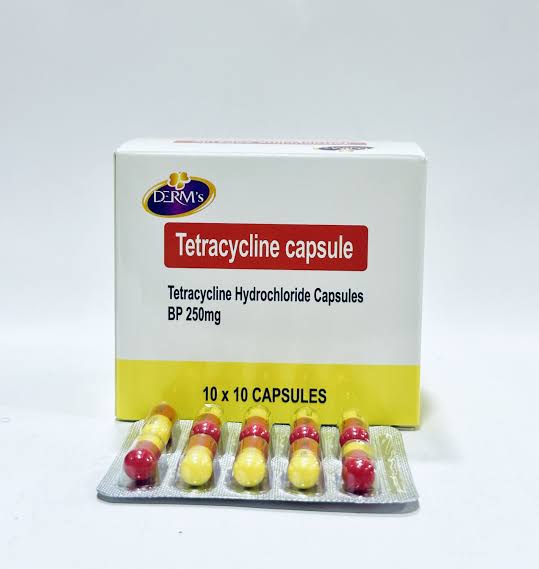
Tetracycline is everywhere. It is used for acne, chest infections, and sometimes malaria prevention. It is inexpensive and easy to find. Walk into almost any pharmacy in Nigeria, and you can get it without a prescription.
During pregnancy, though, it is a different story.
Tetracyclines have a specific chemical behaviour. They seek out calcium in the body, and they bind to it. During pregnancy, that means the drug attaches itself to the calcium in the baby's forming teeth and bones. That is not a theory. It is well-documented, and the reason it lands on every avoid list.
What it does to your baby:
Permanently stains the baby's first teeth yellow or brown before they even come in
Weakens the enamel so the teeth come in softer and are more prone to decay
Disrupts normal bone development in the growing fetus
Carries risk across all three trimesters, not just the first
No trimester is safe with tetracyclines. If anyone offers you doxycycline while you are pregnant, check with your doctor before taking a single tablet.
2. Ciprofloxacin and Other Fluoroquinolones
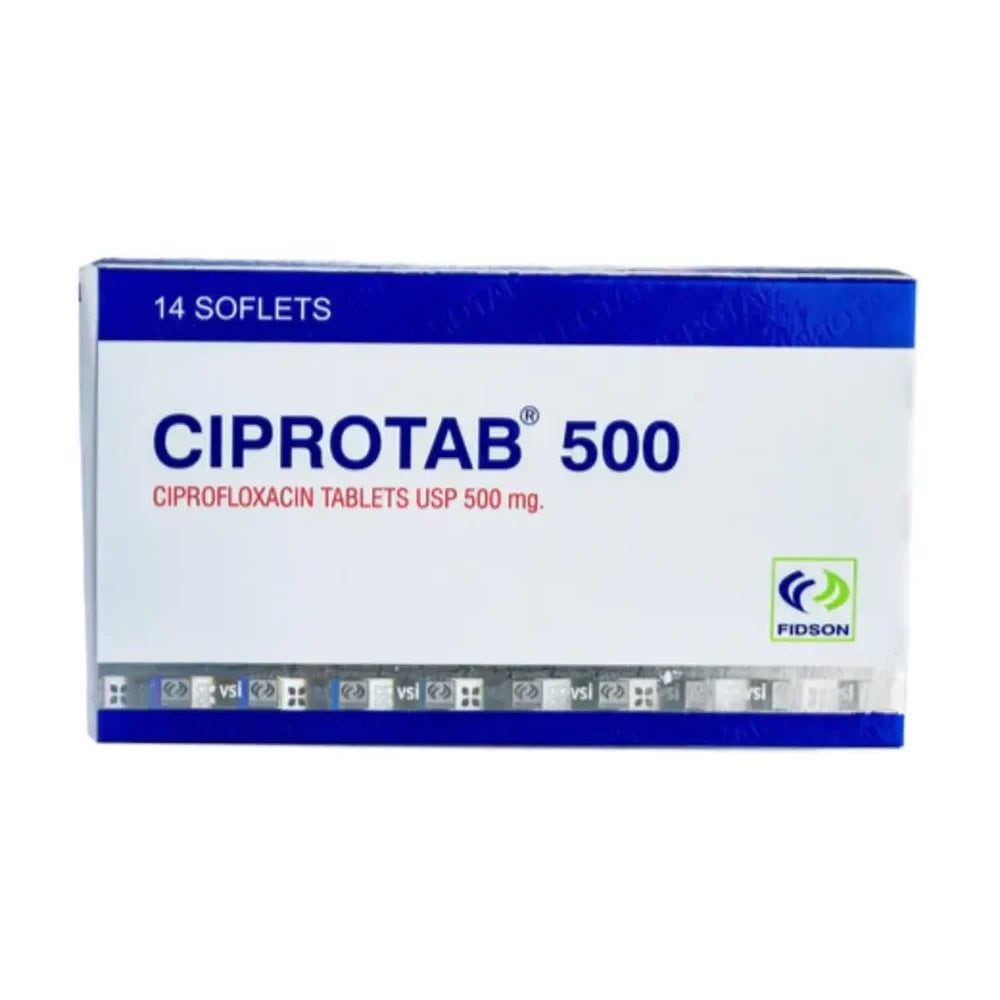
This one matters most in Nigeria. Ciprofloxacin might be the most casually dispensed antibiotic in the country. People take it for UTIs, typhoid, stomach problems, and respiratory infections. It works fast, it is widely trusted, and nobody at the counter is asking whether you are eight weeks pregnant.
The problem is what it does on the other side of the placenta.
What it does to your baby:
Associated with heart defects in the developing fetus
Linked to kidney toxicity in the baby while the organs are still forming
Can interfere with the baby's developing central nervous system
Animal studies show it damages bone and cartilage in the fetus
The only situation where it might be considered is when a specialist doctor has confirmed there is no safer option and the risk of leaving the infection untreated is greater than the drug itself. That conversation happens in a hospital, not at a counter.
3. Flagyl in the First Trimester
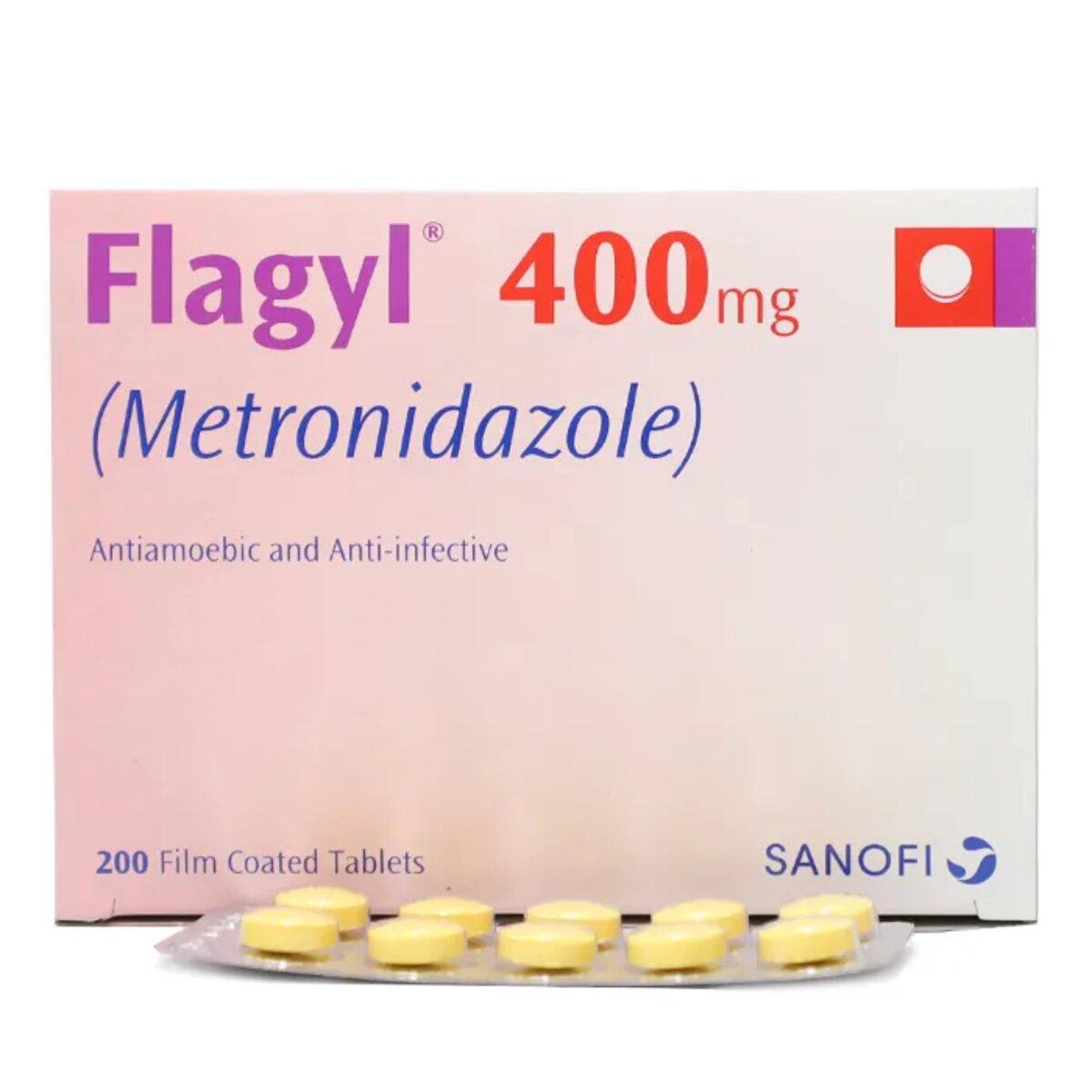
Flagyl is the kind of drug that feels almost domestic in Nigeria. Doctors prescribe it. People self-prescribe it. It is used for bacterial vaginosis, stomach infections, and a long list of other conditions. Most people have taken it at some point without any drama.
During pregnancy, the concern is not about the drug in general. It is about when you take it.
The first trimester, weeks one to thirteen, is when the baby's heart, brain, spine, and major organs are being built from scratch. Everything is happening fast, and everything is fragile.
What it does when taken in the first trimester:
Raises developmental concern during the most critical window of fetal organ formation
Most Nigerian and international medical guidelines advise against it during weeks one to thirteen for this reason
Evidence is still being debated among researchers, but the consensus leans firmly toward caution
After week fourteen, it can sometimes be used under medical supervision when the situation genuinely requires it
If your doctor writes you a Flagyl prescription, tell them exactly how many weeks pregnant you are. Make sure they have that information before you take anything.
4. Septrin
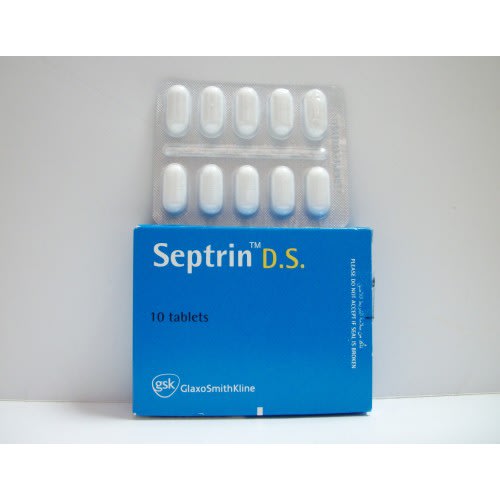
Septrin might be the most dangerous antibiotic on this list for pregnant Nigerian women, and that is directly because of how trusted it is. People take Septrin for everything. UTIs, typhoid, ear infections, respiratory infections. It has been a household name for so long that most people assume it must be safe.
In early pregnancy, it is not.
What it does to your baby:
Septrin works by blocking folate in bacteria to kill the infection
While doing that, it also blocks folate absorption in your own body
Folate is the exact nutrient a baby's brain and spinal cord need most urgently in the first trimester
Taking Septrin while also taking folic acid supplements actively cancels out what the folic acid is trying to do
Linked to neural tube defects, which are serious permanent malformations of the baby's brain and spine
Also risky near the end of pregnancy because it can affect the newborn's blood after delivery
This is not just caution. It is medical consensus backed by decades of obstetric research. Septrin and early pregnancy are a genuinely dangerous combination.
5. Streptomycin and Other Aminoglycosides
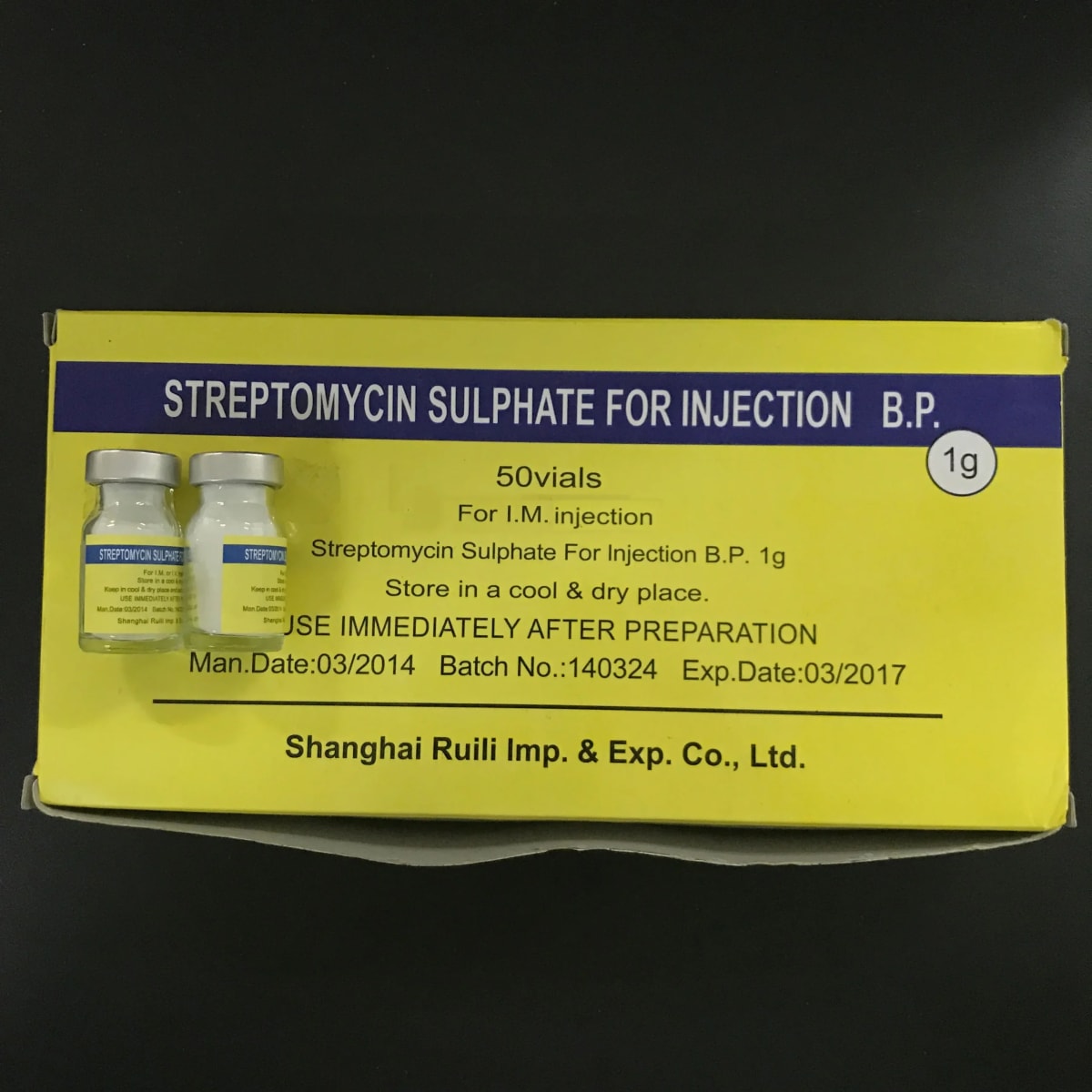
Aminoglycosides are powerful antibiotics used for serious infections. Streptomycin specifically has been used in tuberculosis treatment, which is relevant in a Nigerian context where TB remains a public health concern.
They are not the kind of drug most people self-prescribe. But they appear in hospital settings, and pregnant women admitted for serious infections sometimes encounter them.
What they do to your baby:
Cross the placenta and build up in fetal tissue
Target and damage the auditory nerve, which is the nerve responsible for hearing
Both streptomycin and kanamycin are linked to partial or total hearing loss in newborns
Can also interfere with kidney development in the fetus
Streptomycin should be avoided throughout the entire pregnancy according to the 2025 pharmacotherapy review
If a doctor recommends aminoglycosides during your pregnancy, it is completely reasonable to ask what alternatives exist. A good doctor will expect that question.
What Antibiotics Are Actually Safe During Pregnancy
Amoxicillin is one of the most prescribed and safest antibiotics during pregnancy. Most cephalosporins and azithromycin are also well-established first-choice options with strong safety records. Penicillin-based antibiotics have been used in pregnant women for long enough that doctors are very confident about their safety profile.
The goal is never to avoid treating an infection. It is to make sure the right person chooses the right drug at the right stage of the pregnancy.
If You Already Took One of These
Risk does not automatically mean harm. Many women have taken these medications before a positive test and delivered perfectly healthy babies.
Tell your doctor. Be specific. What you took, the dose, and how many days. Do not stop mid-course without asking a doctor first because stopping some antibiotics abruptly can make things worse. What your doctor needs most right now is accurate information, not a version of events you edited out of embarrassment.
Conclusion
If you are pregnant, or think you might be, the words "I am pregnant" need to come out of your mouth before you accept any medication from anyone. Not after. Before.
A patent medicine store is not the place to make decisions about antibiotics during pregnancy. The people there may be helpful and well-meaning, but they are not equipped to weigh gestational age, fetal development stages, or drug interactions against your specific situation.
Your baby cannot speak for itself yet. Every decision you make right now is being made for both of you.
Frequently Asked Questions
Which antibiotic is safe during pregnancy?
Amoxicillin, most cephalosporins, and azithromycin are generally the safest and most commonly prescribed options during pregnancy. They have long track records of use in pregnant women. Your doctor will confirm the right one based on the type of infection and how far along you are.
Can ciprofloxacin cause miscarriage?
It is not directly linked to miscarriage, but it is associated with cardiac defects, kidney damage, and central nervous system harm in the developing fetus. It should not be taken during pregnancy unless a specialist doctor has confirmed there is truly no safer option available.
Is Flagyl safe in the first trimester?
Most guidelines say no. The first trimester is too critical a window for fetal organ development to risk it. After fourteen weeks, it may sometimes be used under medical supervision. Always tell your doctor exactly how many weeks along you are before taking it.
Is Septrin dangerous during pregnancy?
Yes, particularly in the first trimester. It blocks folate absorption and directly works against the folic acid supplements you are taking to protect the baby's brain and spine. It is linked to neural tube defects and should be avoided, especially in early pregnancy.