20 Harmful Ingredients to Watch Out for in Skincare and Cosmetics Before You Buy
 Richard Ryanne Ugbedeojo
 20 Harmful Ingredients to Watch Out for in Skincare and Cosmetics Before You Buy
Have you ever bought a skincare product because the packaging looked amazing, only to end up with breakouts, irritation, or dry skin? You're not alone. While many skincare and cosmetic products are perfectly safe to use, some contain ingredients that can trigger allergies, irritate sensitive skin, or raise health concerns when used excessively or in unregulated products.
Many cosmetic ingredients are considered safe when used correctly and within approved limits. However, if you have sensitive skin, or you're simply trying to make more informed choices, it's worth knowing what you're putting on your skin.
Here are 20 ingredients you should pay close attention to before making your next purchase.
1. Parabens
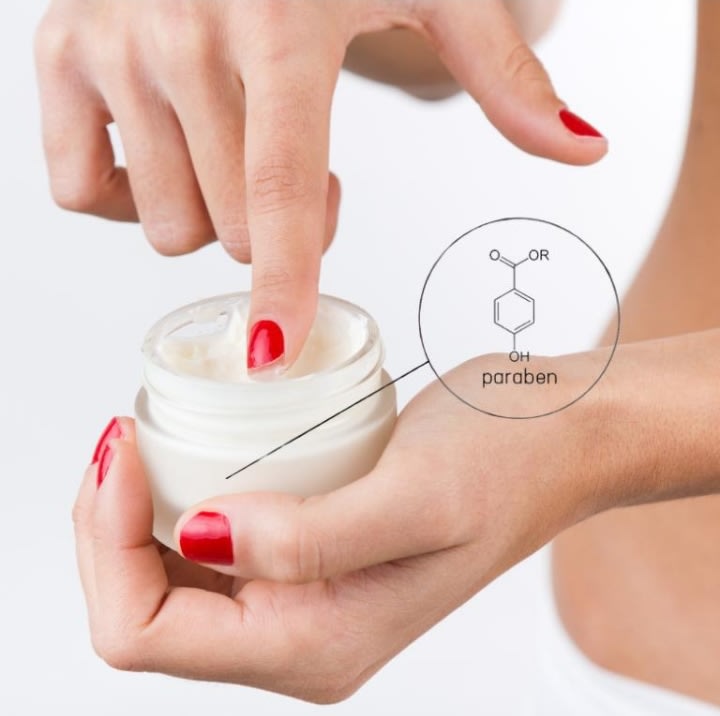
Parabens are preservatives that keep products fresh by preventing the growth of bacteria and mold. Although regulatory agencies consider them safe in small amounts, some studies have raised concerns about their ability to mimic estrogen in the body. If you prefer to avoid them, look for labels that say "paraben-free.”
2. Phthalates
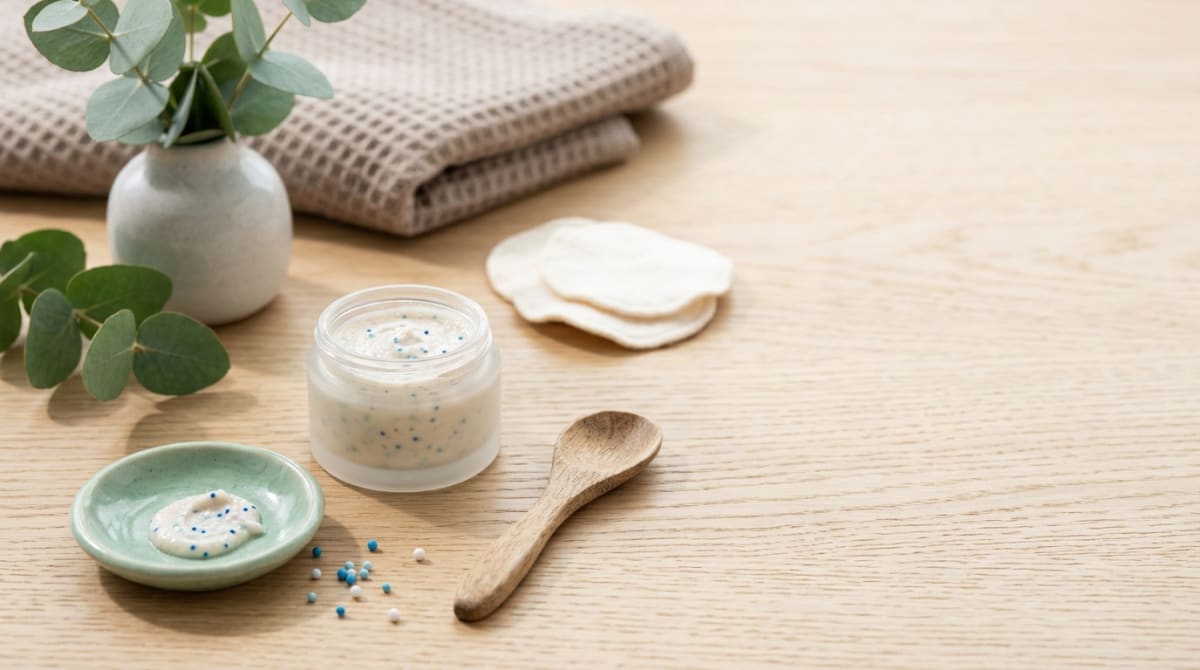
Phthalates are chemicals often used in cosmetics to help fragrances last longer and improve the flexibility of products like nail polish. You won't always see them listed by name, as they can simply appear under the terms "fragrance" or "parfum" on an ingredient label.
Some studies have raised concerns that certain phthalates may interfere with hormone function, which is why several have been restricted or banned in cosmetics in some countries. They may also cause skin irritation or allergic reactions in people with sensitive skin. If you'd rather limit your exposure, consider choosing products labeled "phthalate-free" or "fragrance-free," especially if your skin is easily irritated.
3. Sodium Lauryl Sulfate (SLS)
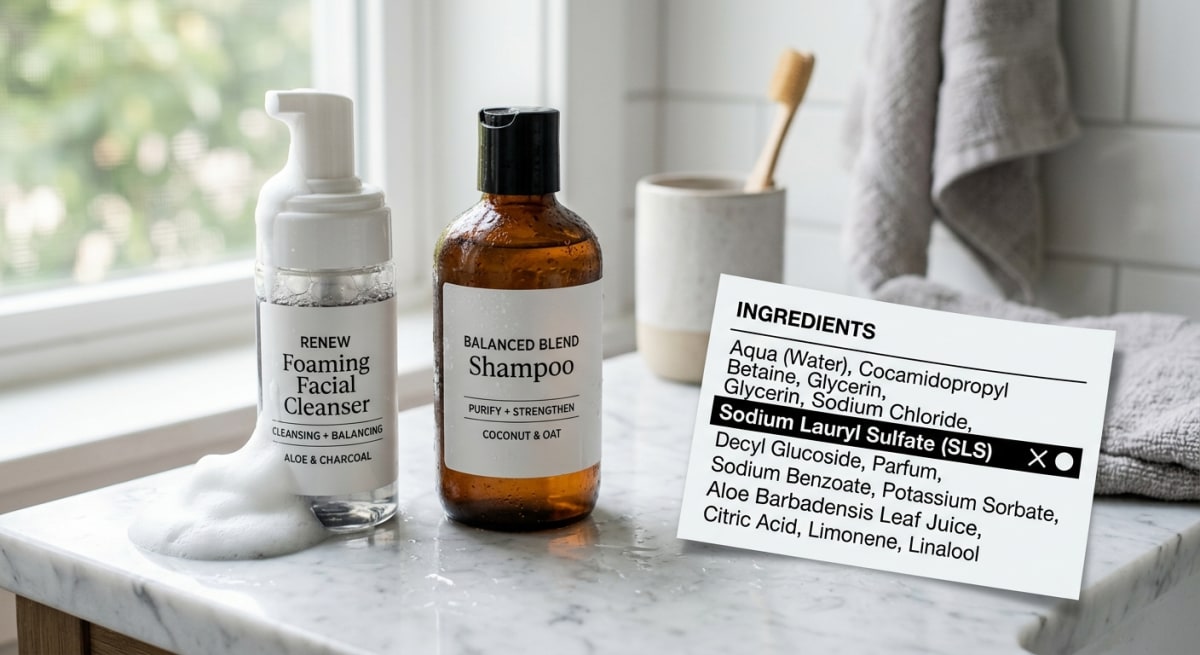
Sodium Lauryl Sulfate (SLS) is a cleansing ingredient commonly found in face washes, shampoos, body washes, and toothpaste. It's responsible for the rich, foamy lather that many people associate with a deep clean. While SLS is effective at removing dirt and excess oil, it can also strip away the skin's natural oils, leaving it feeling dry or tight.
For people with sensitive skin, eczema, rosacea, or psoriasis, products containing SLS may worsen irritation, redness, or dryness. If your skin often feels uncomfortable after cleansing, switching to a gentler sulfate-free cleanser or one made with milder ingredients like coco glucoside or decyl glucoside may be a better option.
4. Sodium Laureth Sulfate (SLES)
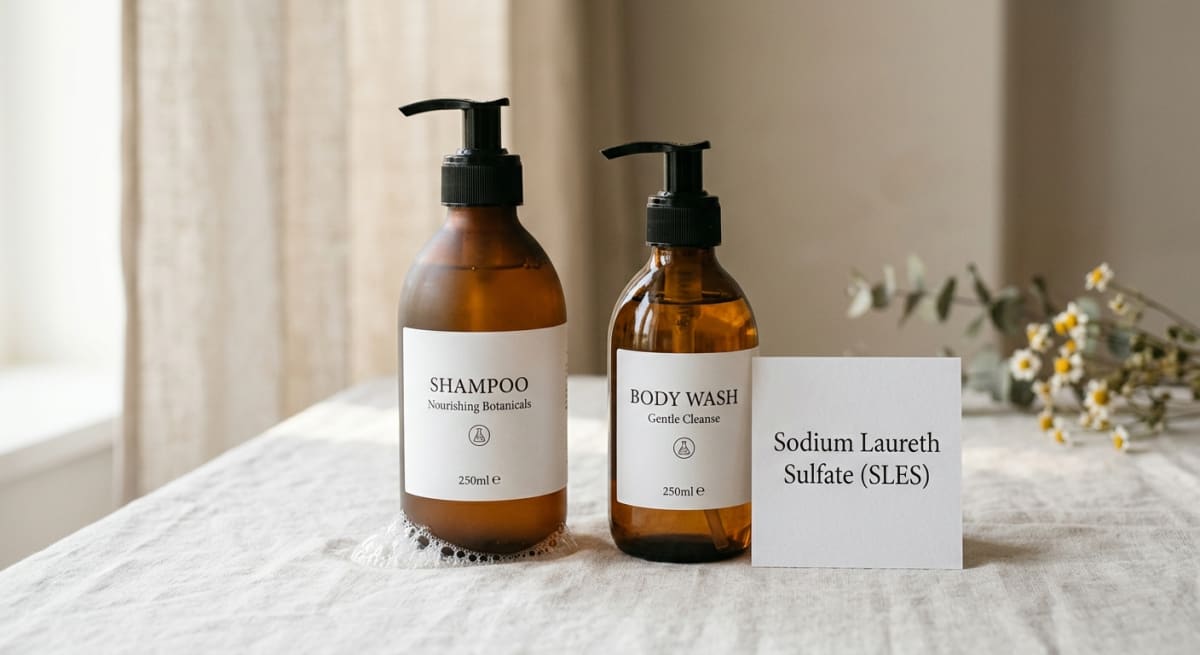
SLES is a gentler cousin of SLS. Sodium Laureth Sulfate (SLES) is another cleansing ingredient you'll commonly find in face washes, shampoos, and body washes. Like SLS, it helps remove dirt, oil, and other impurities while creating a rich, foamy lather. The good news is that SLES is generally considered milder than SLS because it's been processed in a way that makes it less likely to irritate the skin.
That said, "milder" doesn't mean it's the best choice for everyone. If you have dry, sensitive skin or conditions like eczema or rosacea, frequent use of products containing SLES may still leave your skin feeling dry, tight, or irritated. If you notice these symptoms after cleansing, you may want to switch to a gentler cleanser made with ingredients like coco glucoside or decyl glucoside, which are often less drying.
5. Artificial Fragrances
There's nothing wrong with enjoying skincare that smells nice, but fragrance is one of the most common ingredients behind skin irritation and allergic reactions. On ingredient labels, you'll usually see it listed simply as "fragrance" or "parfum," which can represent a mixture of many different scent chemicals rather than a single ingredient.
For many people, fragranced products won't cause any problems. However, if you have sensitive skin, or a history of allergies, artificial fragrances may trigger redness, itching, dryness, or irritation. Since some fragrance blends may also contain ingredients like phthalates, many people prefer fragrance-free products, especially if their skin reacts easily.
6. Triclosan
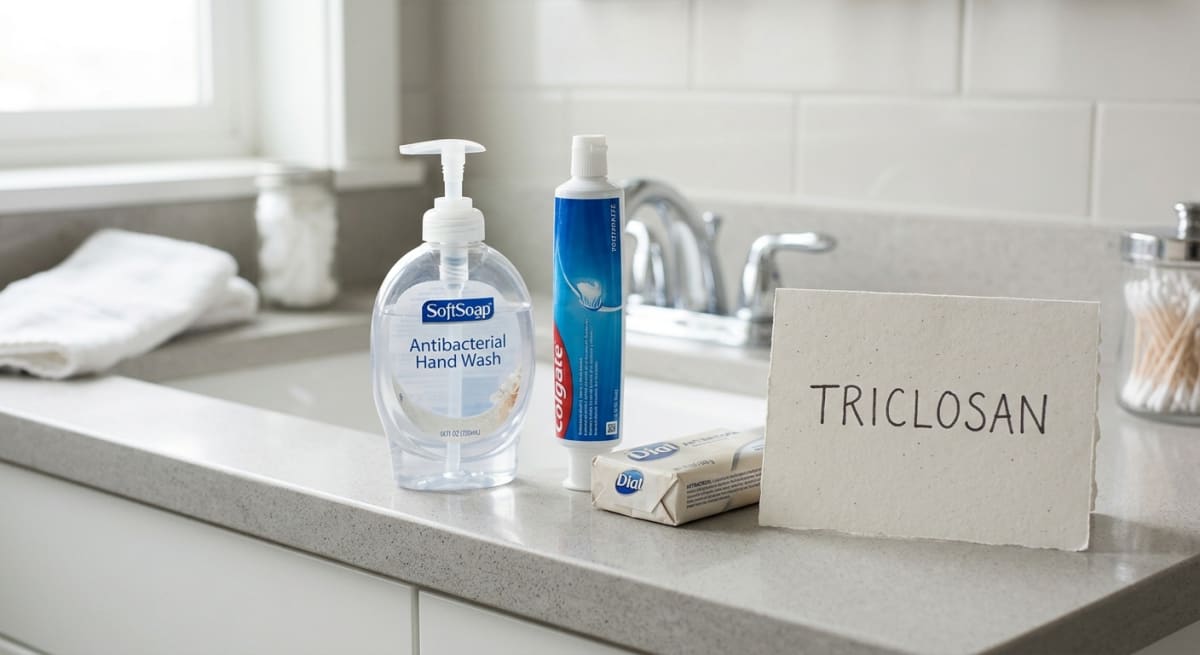
Triclosan is an antibacterial ingredient that was once commonly added to products like soaps, toothpaste, and some cosmetics to kill germs. However, over time, concerns grew about whether it offered any real benefits over regular soap and water, as well as its potential long-term effects on human health and the environment.
Studies have suggested that triclosan may affect hormone function in animals, but more research is needed to fully understand its effects in humans. It may also cause skin irritation or allergic reactions in some people, especially with frequent use.
If you prefer to avoid unnecessary antibacterial ingredients, it's worth checking product labels before you buy.
7. Oxybenzone
If you regularly use sunscreen, you've probably come across an ingredient called oxybenzone. It's a chemical UV filter that does a great job of protecting your skin from the sun's harmful rays. However, it's also one of the most controversial ingredients in skincare.
Some studies suggest that oxybenzone can be absorbed through the skin and may have effects on hormone function, although researchers are still studying what this means for human health. It can also cause allergic reactions or skin irritation in some people, especially if you have sensitive skin.
If you'd rather play it safe, you can choose a mineral sunscreen made with zinc oxide or titanium dioxide, which are often gentler on sensitive skin.
8. Hydroquinone
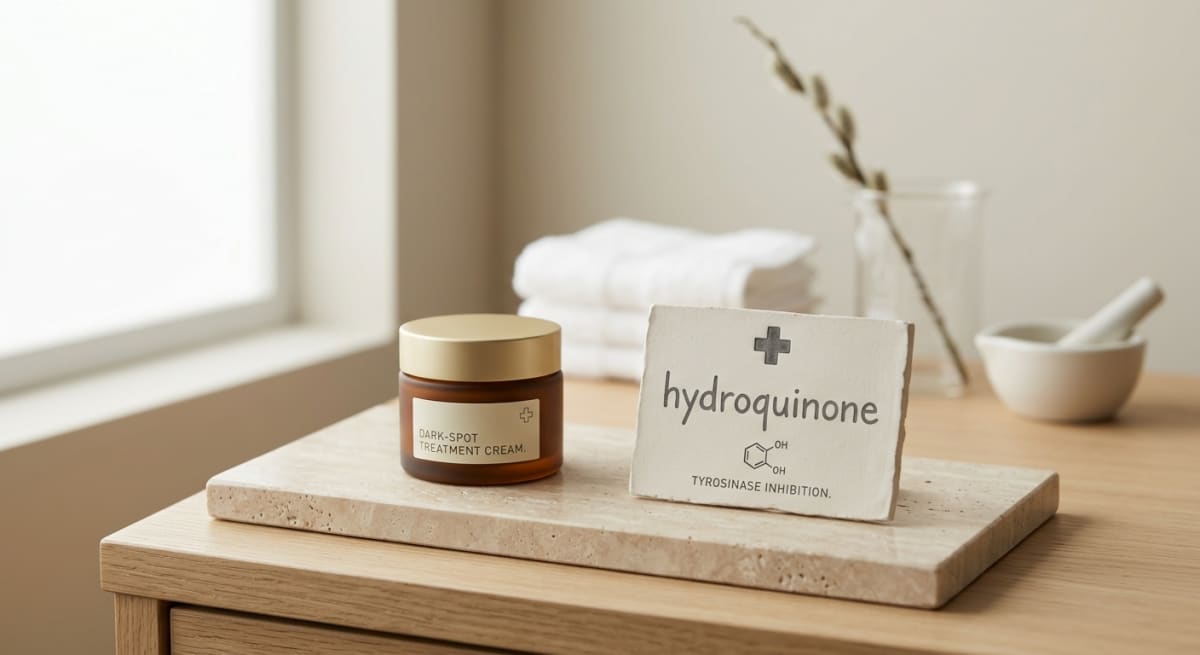
If you've ever looked for products to fade dark spots or hyperpigmentation, you've probably come across hydroquinone. It's one of the most effective ingredients for treating conditions like melasma, acne marks, and age spots, which is why many dermatologists recommend it. However, it's also an ingredient that should be used with care.
When used for too long or without proper guidance, hydroquinone can irritate the skin and, in rare cases, cause a condition called exogenous ochronosis, where the skin develops a bluish-black discoloration that's difficult to treat.
It can also make your skin more sensitive to the sun, so wearing sunscreen every day is a must. If you're considering using hydroquinone, it's best to do so under the guidance of a dermatologist rather than using it continuously on your own.
9. Mercury
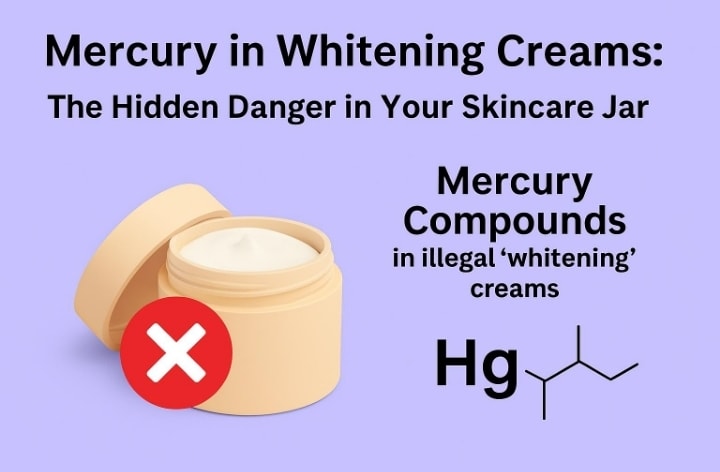
Mercury is an ingredient you should never knowingly put on your skin. Although it's banned or heavily restricted in many countries, it's still found in some illegal skin-lightening creams, soaps, and anti-aging products sold through unregulated sources.
Before buying any skincare product, take a moment to read the ingredient list. Avoid products that contain ingredients such as calomel, mercurous chloride, mercuric iodide, or simply mercury. It's also a good idea to buy skincare products from trusted brands and avoid products with unclear labels or unrealistic skin-lightening claims.
10. Coal Tar
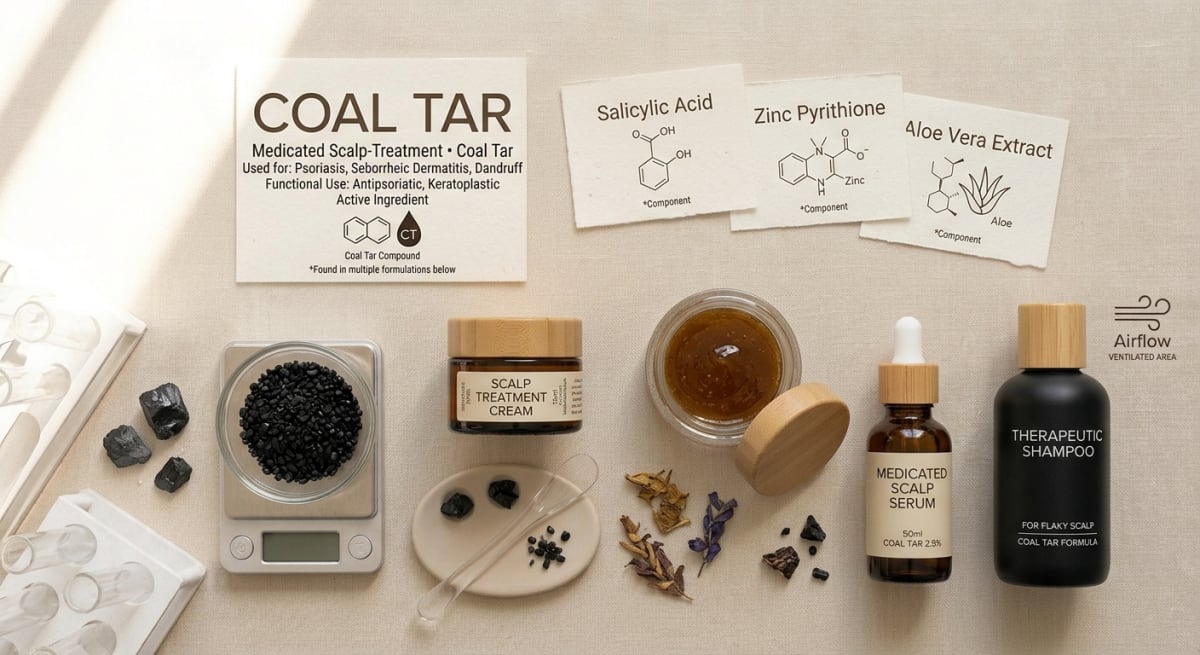
Coal tar is an ingredient that's sometimes found in medicated shampoos and treatments for conditions like psoriasis, eczema, and dandruff. While it can be effective when used under medical supervision, it's not an ingredient you'd typically want in everyday skincare products.
One thing to know about coal tar is that it can make your skin more sensitive to sunlight, increasing your risk of sunburn after use. Some people also experience redness, irritation, or a burning sensation. If you're using a product that contains coal tar, follow the instructions carefully, and avoid excessive sun exposure.
11. Toluene
Toluene is a chemical that's mainly found in some nail polishes, nail treatments, and hair dyes. It helps improve the texture and smooth application of these products, but it's not an ingredient you want to be exposed to in large amounts.
Breathing in high levels of toluene fumes can cause headaches, dizziness, nausea, and irritation to the eyes, nose, or throat. That's why it's always a good idea to use these products in a well-ventilated area. If you're pregnant, have asthma, or are sensitive to strong chemical odors, you may also want to look for products labeled "toluene-free.”
12. Resorcinol
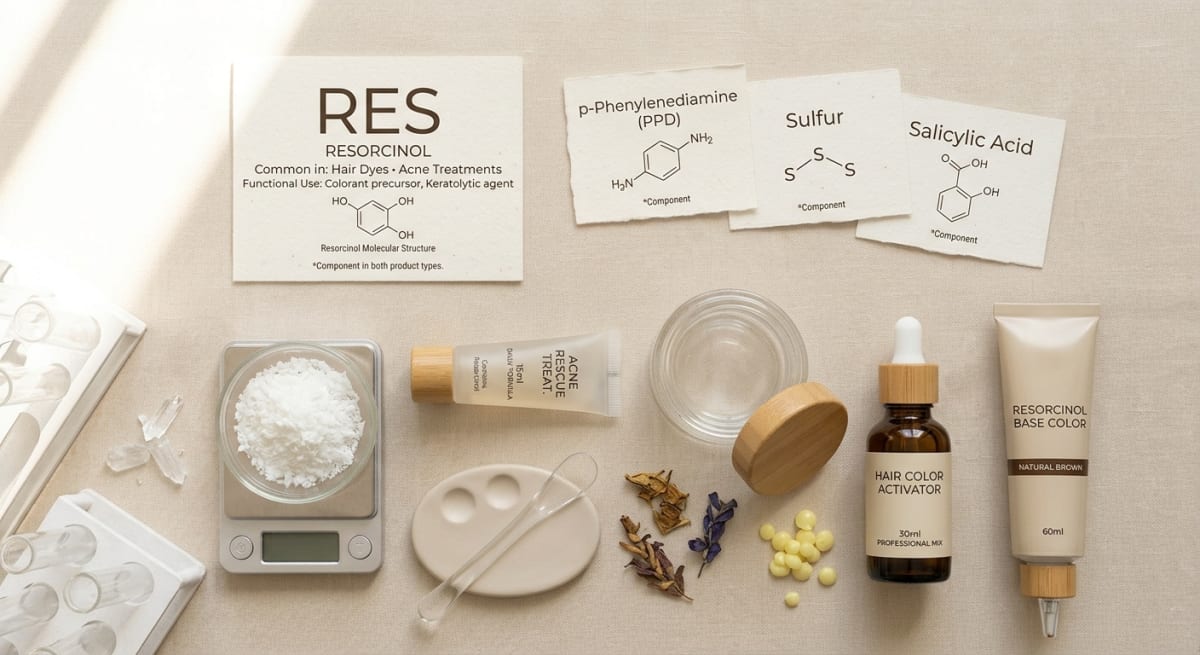
Resorcinol is sometimes found in acne treatments and hair dyes. While it's generally safe when used as directed, it can cause dryness, redness, peeling, or irritation in some people, especially those with sensitive skin. If you notice your skin becoming irritated, you should try switching to a gentler product.
13. Polyethylene Glycols (PEGs)
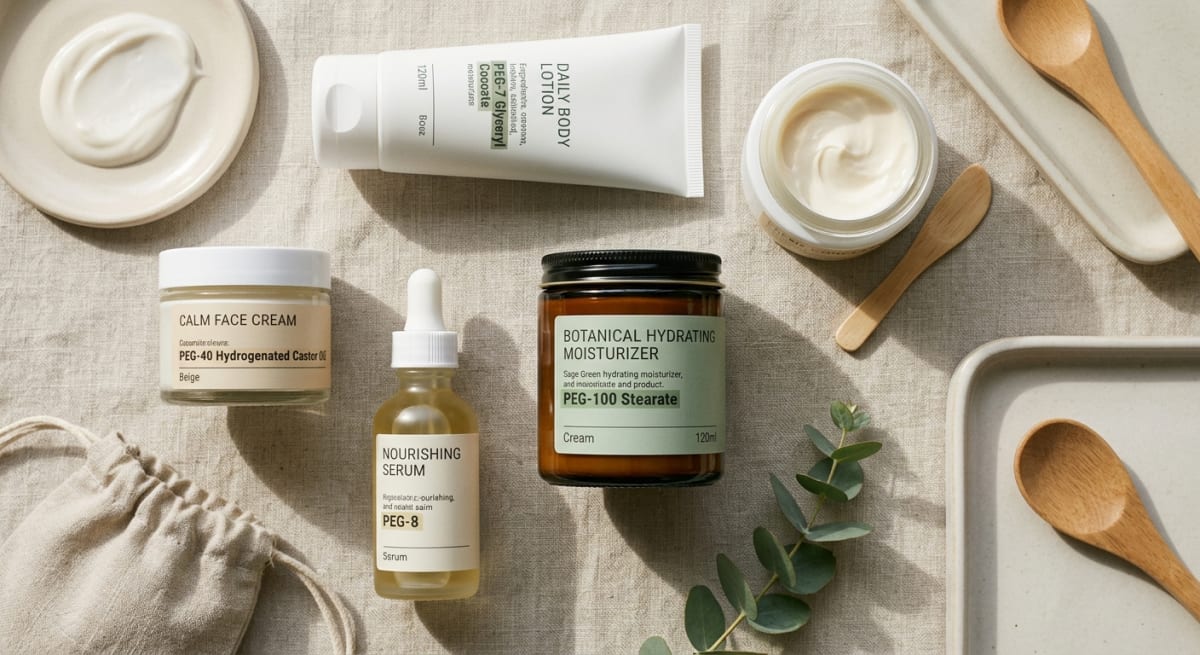
You've probably never paid much attention to PEGs on an ingredient list, but they're actually found in a lot of skincare products. They help creams and lotions mix well and give them that smooth, pleasant texture. While PEGs are generally considered safe, they may irritate very sensitive skin and aren't the best choice for broken or damaged skin. If your skin barrier is compromised, it's worth being a little more cautious with products that contain them.
14. BHA (Butylated Hydroxyanisole)
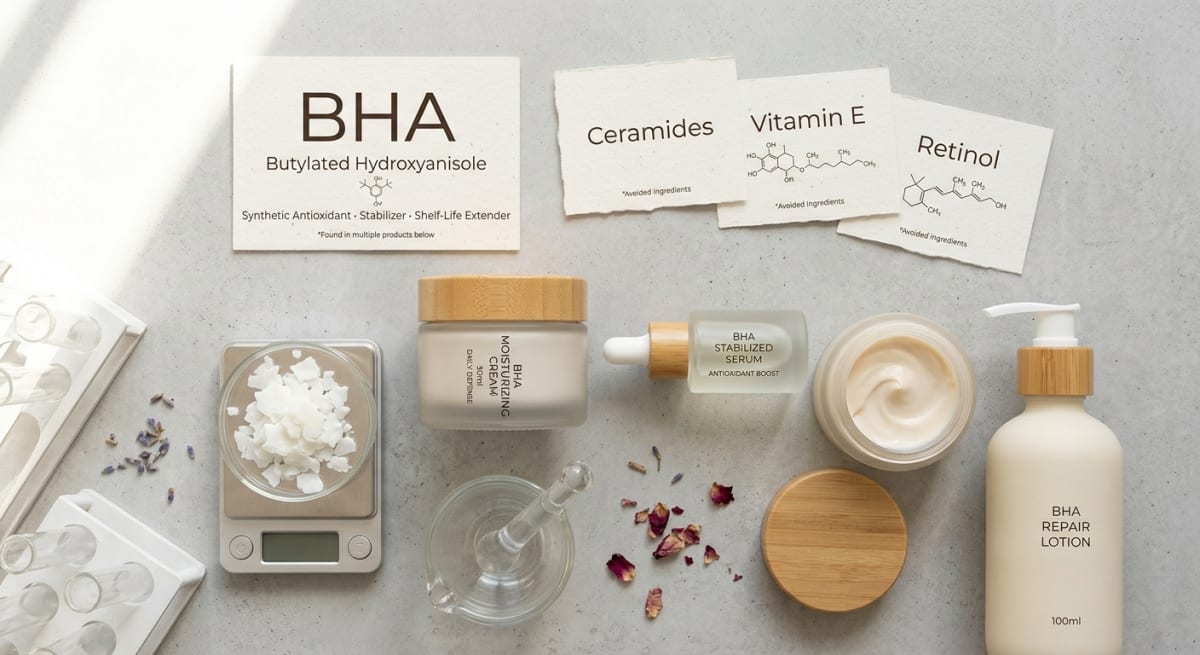
BHA is an antioxidant that helps extend the shelf life of cosmetics. While approved for use in small amounts, some animal studies have raised questions about its long-term safety, leading some consumers to avoid it.
15. BHT (Butylated Hydroxytoluene)
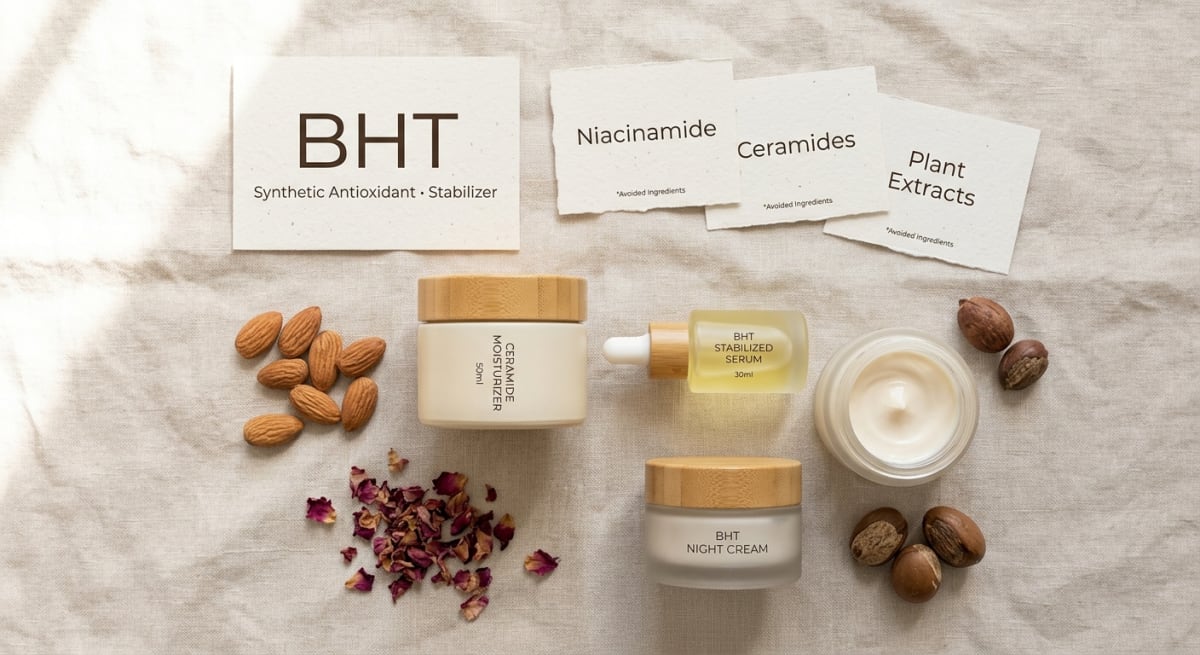
Like BHA, BHT is used to prevent products from spoiling.
While it's approved for use in small amounts, some people choose to avoid it because of concerns about its potential effects on hormone function. It may also cause skin irritation or allergic reactions in some individuals, especially those with sensitive skin. If your skin reacts easily, choosing products without BHT may be worth considering.
16. Formaldehyde and Formaldehyde-Releasing Preservatives
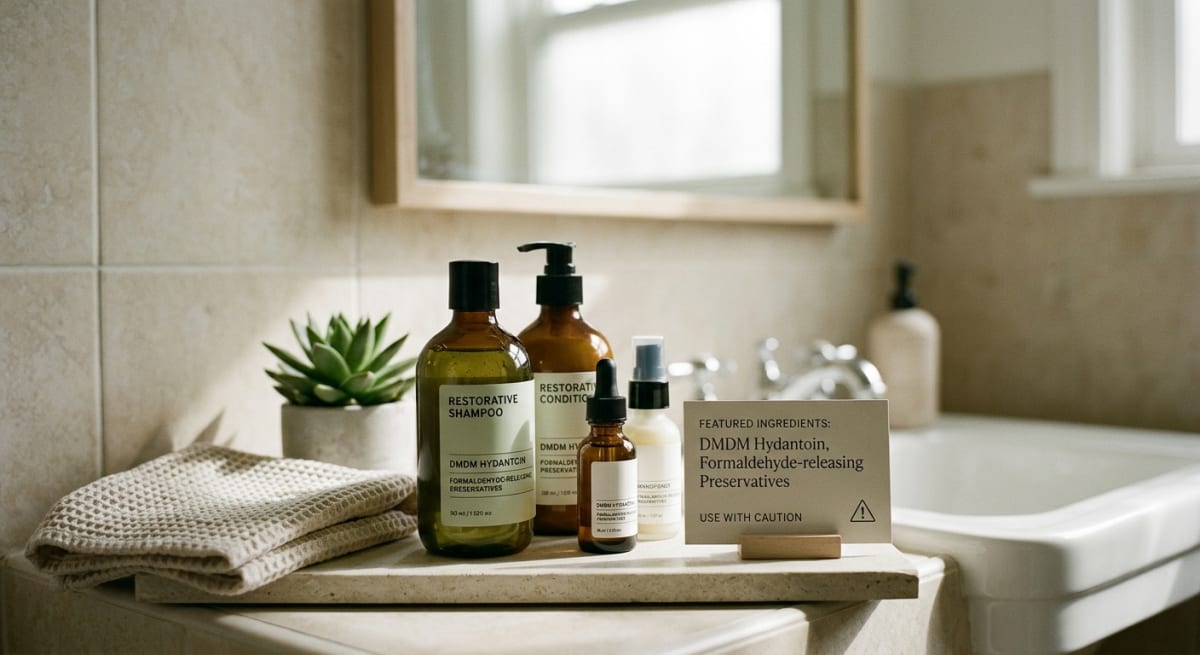
You probably won't see formaldehyde listed on many skincare products, but some preservatives can slowly release small amounts of it over time to help prevent the growth of bacteria and mold. Common examples include DMDM hydantoin, imidazolidinyl urea, and quaternium-15. While these ingredients help keep products fresh, they can also trigger irritation or allergic reactions in some people, particularly those with sensitive skin.
17. Ethanolamines (DEA, MEA, and TEA)
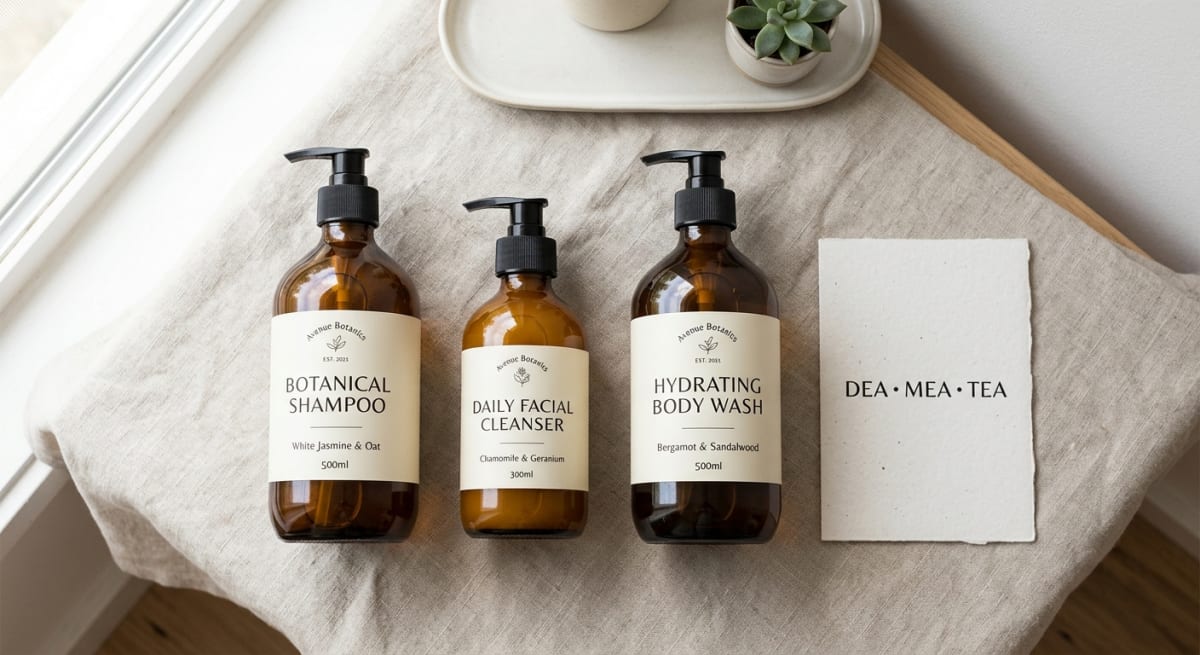
You might come across ingredients like DEA, MEA, or TEA in cleansers, shampoos, and other cosmetic products. They help improve texture and keep products stable, but they aren't always the best choice for sensitive skin. In some people, they can cause irritation, and under certain manufacturing conditions, they may react with other ingredients to form potentially harmful compounds.
18. Synthetic Dyes
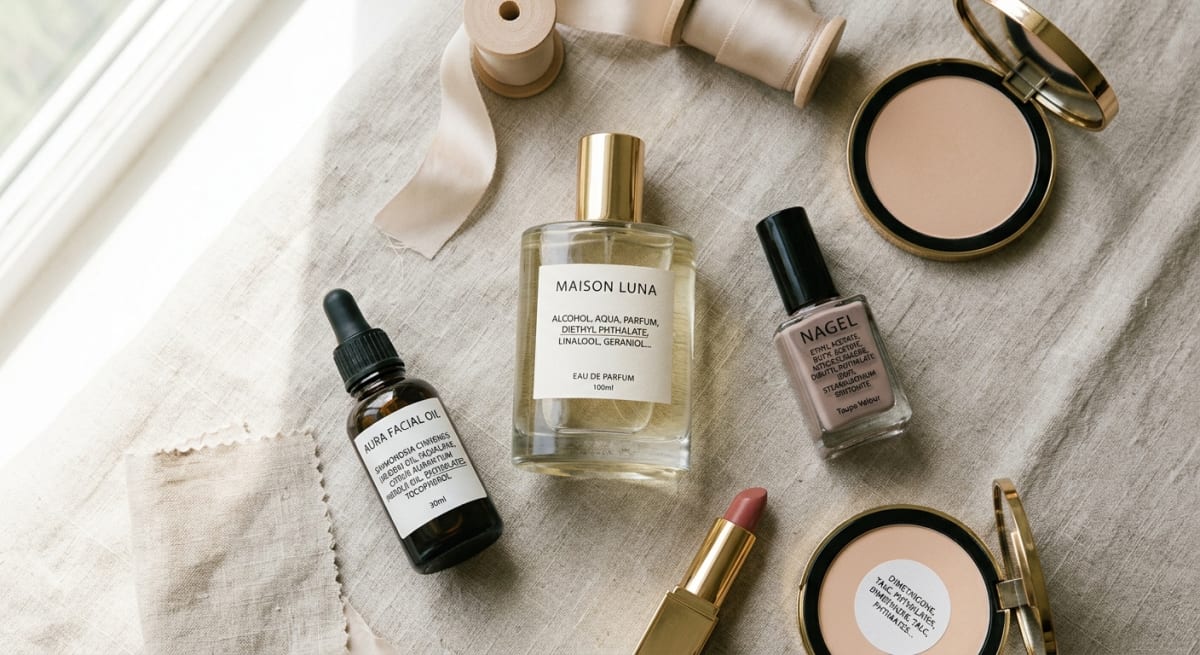
Brightly colored skincare products may look fun, but those vibrant shades often come from synthetic dyes. These ingredients are usually listed as FD&C or D&C colors on the label. While they're approved for use in cosmetics, they can sometimes trigger allergic reactions or irritation, especially if you have sensitive skin.
19. Denatured Alcohol (Alcohol Denat.)
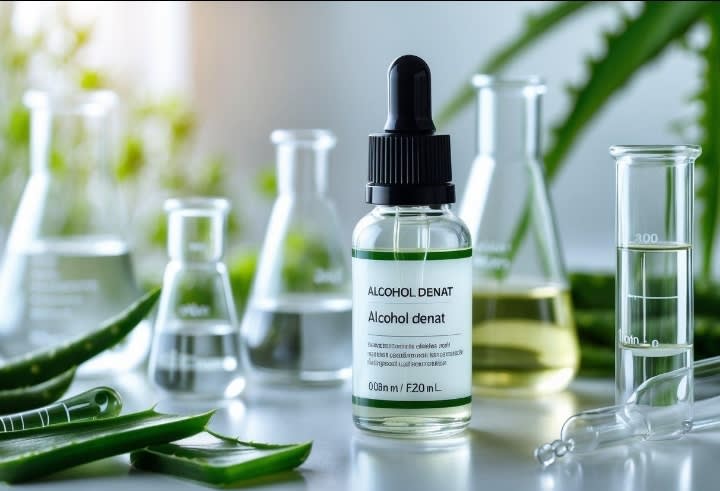
Have you ever used a skincare product that felt lightweight but left your skin feeling tight afterward? Denatured alcohol could be the reason. It's commonly added to help products dry quickly and give them a non-greasy finish. However, frequent use can strip away your skin's natural moisture, leaving it dry and more prone to irritation.
20. Plastic Microbeads
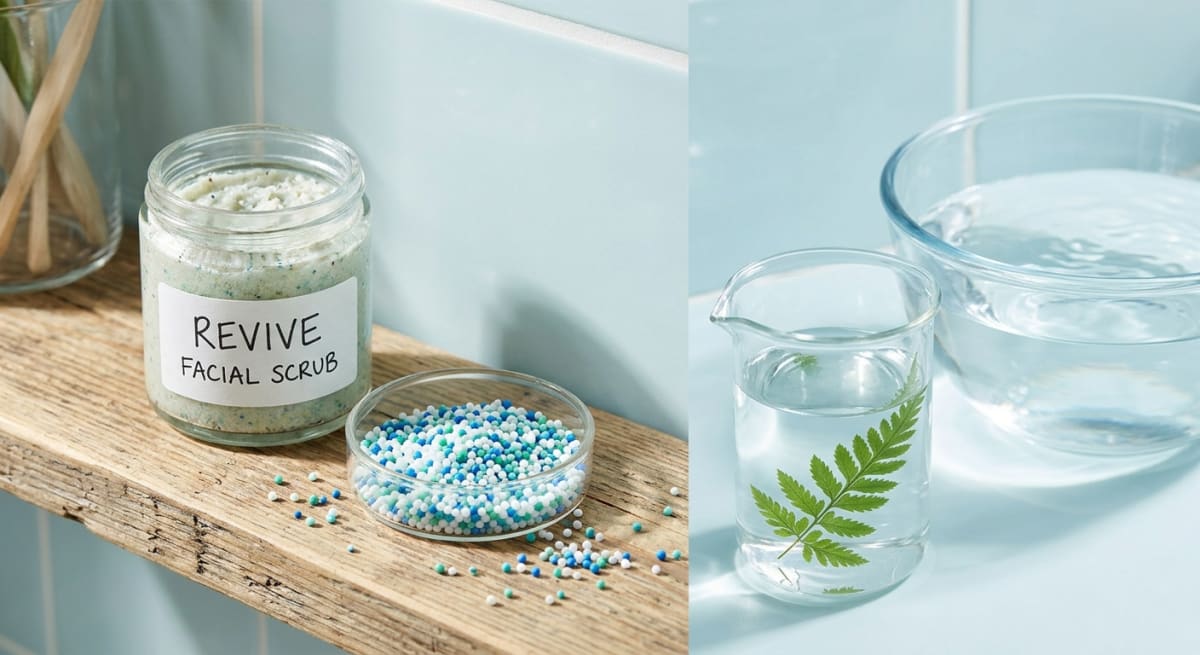
If you enjoy using facial scrubs, it's worth checking whether they contain plastic microbeads. These tiny plastic particles were once popular because they helped exfoliate the skin, but they can be harsh if used too often. They also don't break down easily, which means they can end up polluting rivers and oceans. Thankfully, many brands have replaced them with gentler, more environmentally friendly alternatives.
Conclusion
Reading an ingredient list doesn't mean you have to become afraid of every chemical name. Many cosmetic ingredients are safe when used as intended and within regulatory limits. The goal is simply to understand which ingredients may not be the best fit for your skin or may deserve extra caution.
When shopping for skincare or cosmetics, buy from reputable brands, patch-test new products before using them regularly, and don't hesitate to consult a dermatologist if you're unsure about an ingredient. A little knowledge can go a long way in helping you choose products that keep your skin healthy, comfortable, and glowing.