20 Early Signs of Menopause: What Every Woman Should Know
 Attah Oluchukwu Vivian
 20 Early Signs of Menopause: What Every Woman Should Know
My aunty still talks about the day she was at a wedding in Asokoro, dancing during the asoebi spraying, when heat suddenly rushed up her body. Not the normal Abuja heat. This one came from inside her chest and climbed to her face. She stepped outside, stood by the generator, and started fanning herself with her gele. In her mind, she thought, "Ah, maybe malaria again." It wasn't malaria. It was one of the early signs of menopause, and nobody had ever told her what to expect.
That's the problem for a lot of us. Our mothers explained periods, even if the conversation was rushed and awkward. But menopause? Nobody sits us down for that one. So when the signs start showing up, women blame stress, blame the weather, blame "one small sickness," and keep moving without answers.
What Is Menopause?
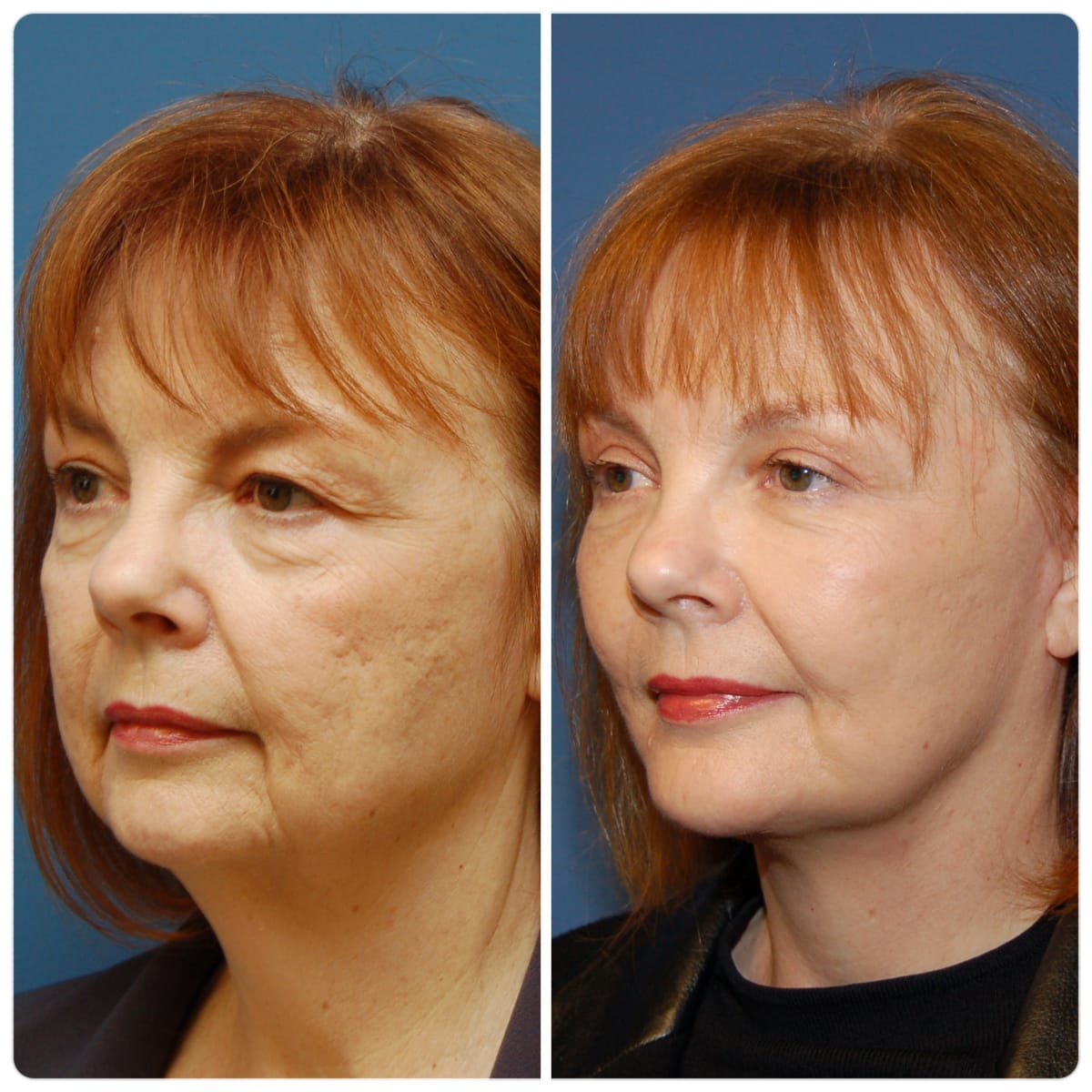
Menopause is the point when a woman's periods stop for good, confirmed after 12 months without one. In simple words, menopause is your body closing one chapter and starting another. It's not a sickness. It's a natural change, the same way puberty was a natural change, just running in the opposite direction this time.
Before menopause fully arrives, there are years of smaller changes leading up to it. This stage is called perimenopause, and it's really where all the "early signs" people talk about actually happen. Here's a quick look at what that can feel like:
Periods that stop being predictable
Sudden waves of heat in the body
Nights where sleep just won't come
Mood changes that hit harder than usual
Days when your energy disappears for no reason
Moments where your memory feels a bit foggy
20 Early Signs of Menopause
1. Irregular Periods
This is usually the first thing women notice, and it's often what makes you go "wait, something is different here." Your period comes early one month, disappears the next, then shows up heavier than usual after that. Your cycle, which used to run like clockwork, just stops being reliable.
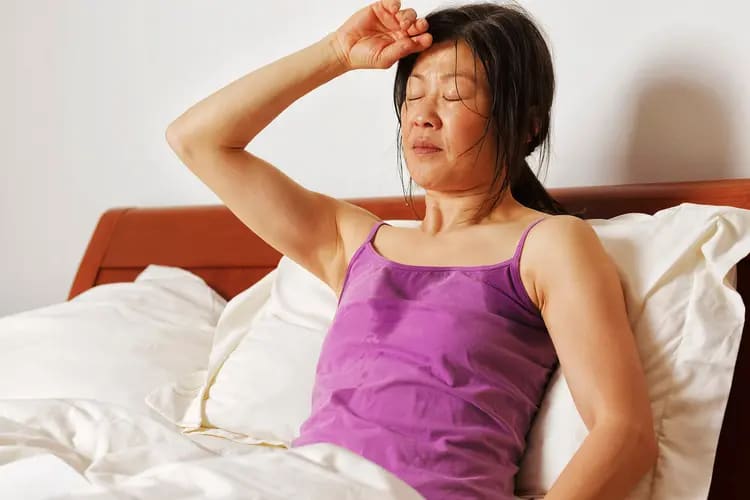
2. Hot Flashes
Hot flashes are sudden feelings of heat, often in the face and chest. Picture standing in front of an open oven for no reason, in the middle of a meeting or church service. It passes in a few minutes, but it can catch you completely off guard several times a day.
3. Night Sweats
This is basically a hot flash that shows up while you're sleeping, except there's no warning. You just wake up soaked, sometimes needing to change your wrapper or the bedsheet, wondering what just happened to your body.
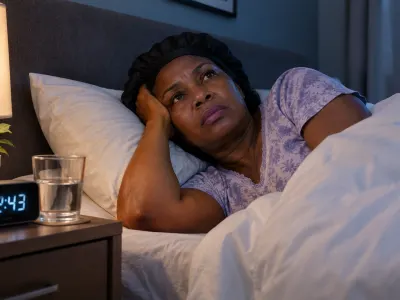
4. Trouble Sleeping
Even without night sweats, sleep can start playing games with you. You fall asleep fine, then you're wide awake at 2 am staring at the ceiling for no clear reason. Some nights, sleep just refuses to come at all.
5. Mood Swings
You snap at your husband over something small. You cry watching a Nollywood scene that never used to touch you before. This isn't just "you being extra." Hormones are genuinely driving a lot of it, more than the actual situation deserves.
6. Vaginal Dryness
This one rarely gets talked about, even among close friends, but it's very common. Lower hormone levels make things drier down there, which can make sex uncomfortable. It's nothing to be ashamed of, and it can be treated.
7. Lower Interest in Sex
Alongside the dryness, many women just notice their desire has dropped. Some of it is hormonal, some of it comes from tiredness or low mood. It's worth talking about with your partner instead of letting it sit quietly between you.
8. Ongoing Tiredness
You sleep a full eight hours and still wake up feeling like you did an overnight vigil. This kind of tiredness doesn't lift with rest alone, because the sleep itself isn't as deep or restful as before.
9. Brain Fog
You're mid-conversation, and the word you want just disappears. You walk into a room and forget why. Memory and focus can shift during this stage of life. It feels unsettling, but for most women, it eases once hormones settle down.
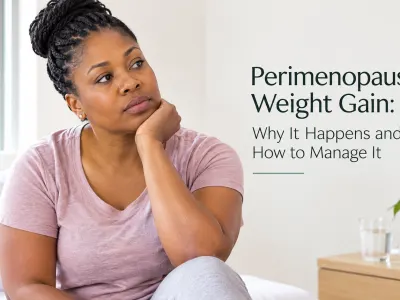
10. Weight Gain
During this transition, the body starts storing fat differently, often around the belly. The same food and exercise routine that used to keep your weight steady suddenly isn't working the same way. It's a hormone shift, not something you're doing wrong.
11. Hair Thinning
Some women start noticing more hair coming out during washing or thinning around the front and top. This ties back to hormones affecting the hair growth cycle, not the shampoo or the weather.
12. Dry Skin
Skin that used to be resilient can start feeling tight, flaky, or more sensitive to creams it used to handle just fine. It's another sign of hormones affecting how your skin holds on to moisture.
13. Breast Tenderness
Soreness that comes and goes, a bit like how your breasts feel before your period, except now it can show up any time, since your hormonal rhythm is no longer predictable.
14. More Frequent Headaches
If you've always been prone to hormonal headaches, this stage can make them stronger or more frequent. Some women who never had migraines start getting them for the very first time here.
15. Joint and Muscle Aches
Waking up stiff or feeling a new soreness in your knees or lower back with no injury to explain it is a sign some women notice before anything else on this whole list.
16. Bladder Changes
Needing to visit the bathroom more often or getting more urinary infections than before, can happen as the tissue around your bladder responds to the same hormone shift affecting everything else.
17. Heart Palpitations
Sometimes your heart just starts racing or fluttering, often around the same time as a hot flash. It's usually harmless, but any new palpitations deserve a proper check with a doctor, not just a guess.
18. Lower Fertility
Getting pregnant becomes less likely as ovulation becomes irregular, but less likely doesn't mean impossible. Plenty of women have been surprised by a pregnancy in their mid to late 40s, so contraception still matters if that's not the plan.
19. Digestive Changes
Bloating, gas, or digestion that just feels slower than before. It's rarely the symptom anyone talks about, but hormones affect the gut too, and some women notice this before anything else.
20. Change in Body Scent
This one surprises people the most. Shifting hormones affect your sweat glands, so your usual scent can change slightly, even with the same soap and the exact same routine.
Why Recognizing These Signs Matters
Knowing these signs early means you stop blaming yourself, stop guessing, and start understanding what your body is actually doing. It also means you get the right support sooner, instead of suffering quietly for years like a lot of women before us did.
Here's why this awareness genuinely matters:
It takes away the fear that comes with unfamiliar symptoms
It helps you have real conversations with your doctor, not guesses
It opens the door to earlier, more comfortable treatment
It helps your family understand what you're going through instead of judging you
It protects your bone and heart health for the years ahead
How You Can Help
Whether you're the one going through this or you're supporting your mother, sister, wife, or friend, small steps genuinely make a difference here.
Learn the signs so nothing feels alarming when it eventually shows up
Track your periods and symptoms so the pattern becomes clear over time
See a doctor for heavy bleeding, new palpitations, or symptoms disrupting your daily life
Keep the conversation open at home instead of treating it like a secret
Encourage rest, movement, and proper meals during this stage, not just endurance
Pass this information on to the women around you
Menopause isn't something any woman should have to face quietly or figure out alone by trial and error. The more we talk about it, the way we're talking about it right now, the easier this stage becomes for every woman walking through it.