12 Supplements You've Been Taking Wrong This Whole Time
 Richard Ryanne Ugbedeojo
 12 Supplements You've Been Taking Wrong This Whole Time
Walk into any pharmacy or supermarket, and you'll find shelves packed with supplements promising better health, stronger immunity, improved energy, and even healthier skin and hair.
Millions of people take supplements every day, believing they're doing their bodies a favor.
But here's the surprising truth: taking the right supplement the wrong way can significantly reduce its effectiveness. In some cases, it can even prevent your body from absorbing the nutrients you're paying for.
If you're investing in supplements, it's worth making sure you're taking them correctly. Here are 12 supplements you may have been taking wrong this whole time, and how to get the most out of them.
1. Iron
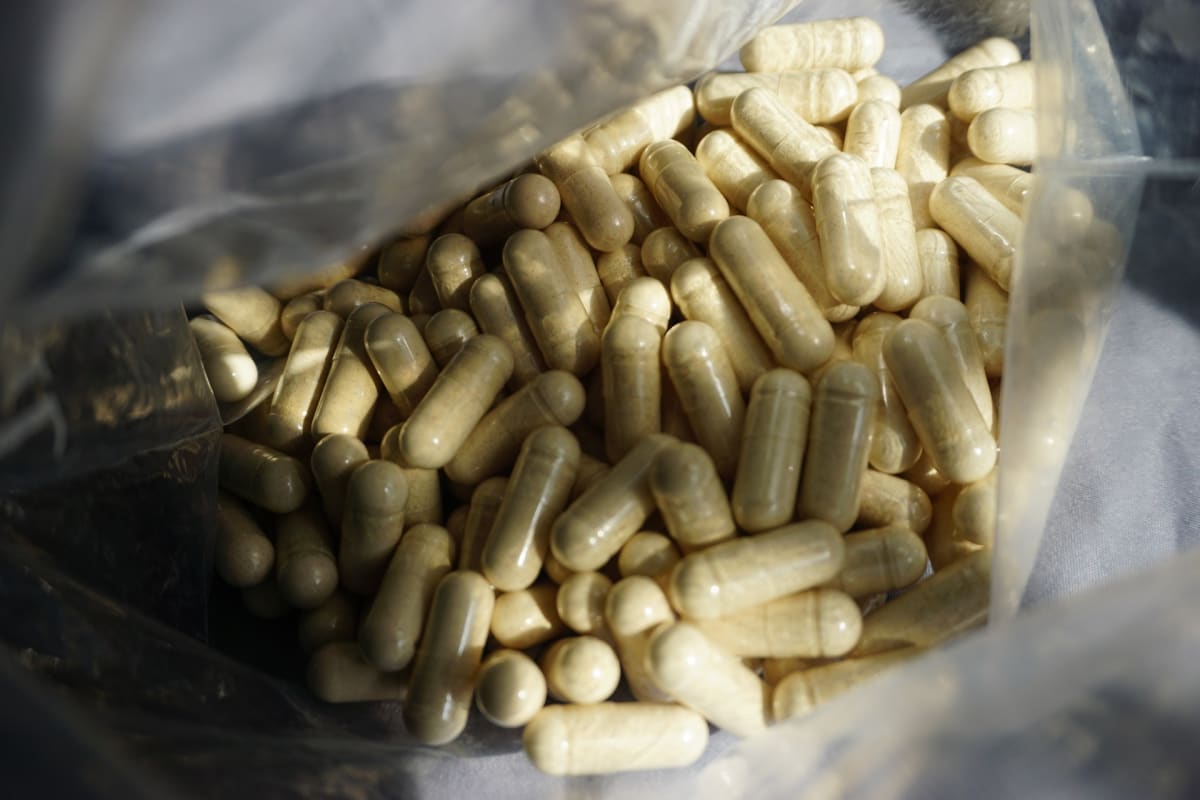
Iron supplements are among the most commonly misused supplements. Many people unknowingly take them with foods and drinks that prevent the body from absorbing the iron effectively.
Taking them with calcium supplements, dairy products, tea, or coffee can significantly decrease their effectiveness.
For best absorption, take iron on an empty stomach with a source of vitamin C, such as orange juice, and avoid calcium, dairy, tea, or coffee for at least two hours before or after taking it.
2. Calcium
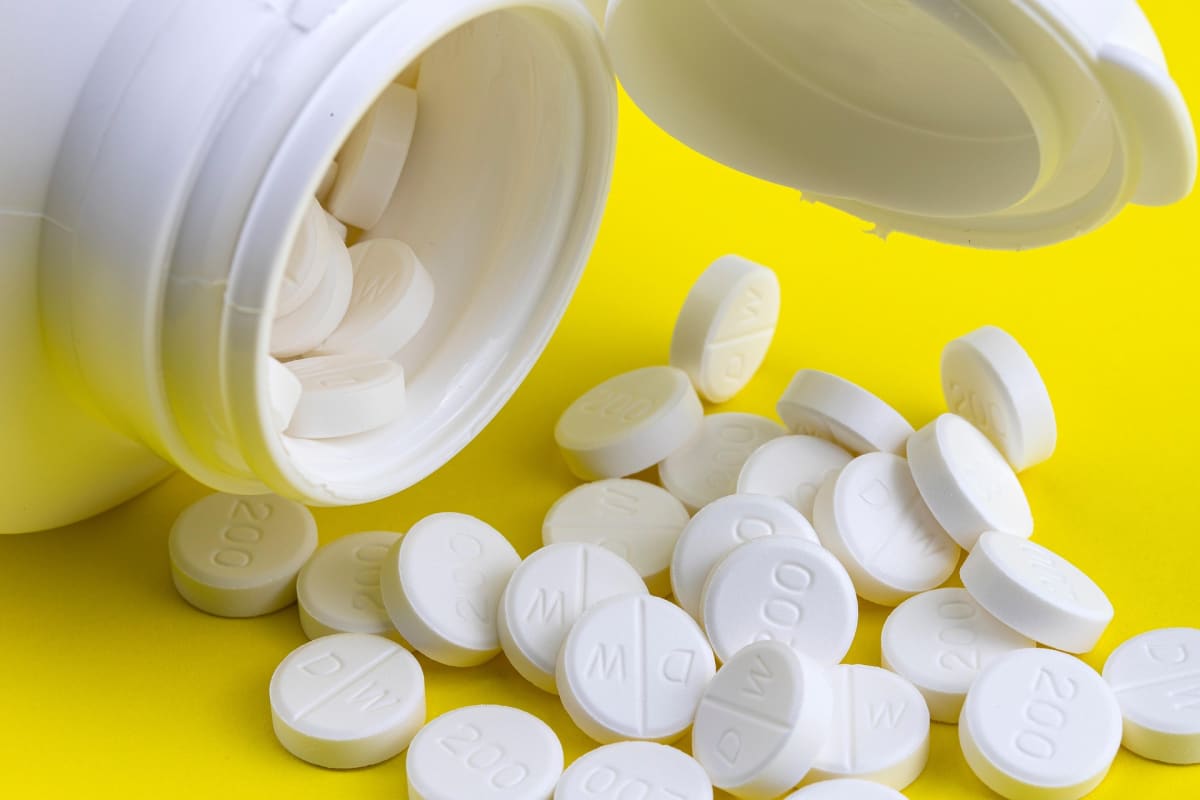
Many people take their entire daily calcium dose at once, assuming it will all be absorbed.
More calcium isn't always better. Your body can only absorb a limited amount of calcium at a time, so taking a large dose all at once may reduce how much is absorbed. Excessive calcium supplementation can also increase the risk of problems such as kidney stones and, in some cases, high blood calcium levels.
For best results, take calcium in smaller doses throughout the day and only use supplements if you need them or they've been recommended by a healthcare provider.
3. Vitamin D
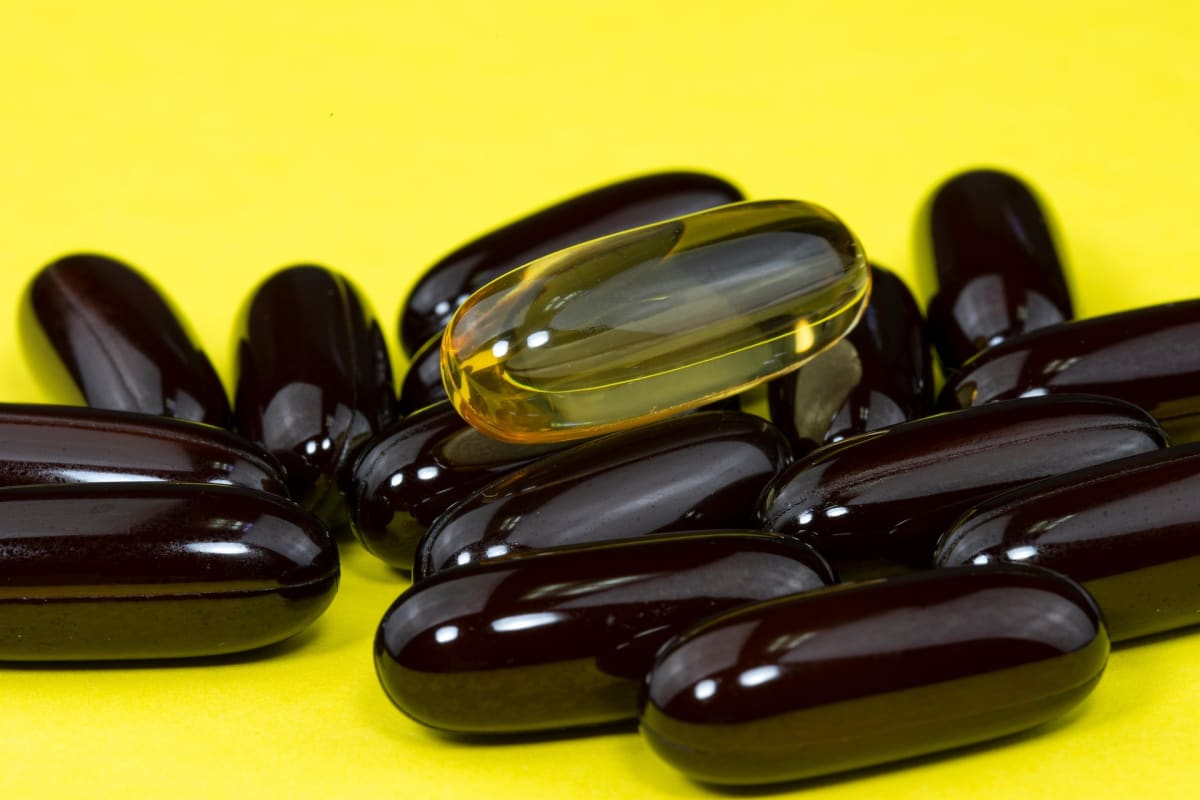
Vitamin D is one of the most popular supplements worldwide, yet many people take it on an empty stomach.
Since vitamin D is a fat-soluble vitamin, taking it on an empty stomach can reduce how much your body absorbs. It's best taken with a meal that contains healthy fats, such as eggs, avocado, nuts, or dairy products.
Also, avoid taking more than the recommended dose unless advised by a healthcare provider, as excessive vitamin D can lead to high calcium levels in the blood.
4. Magnesium
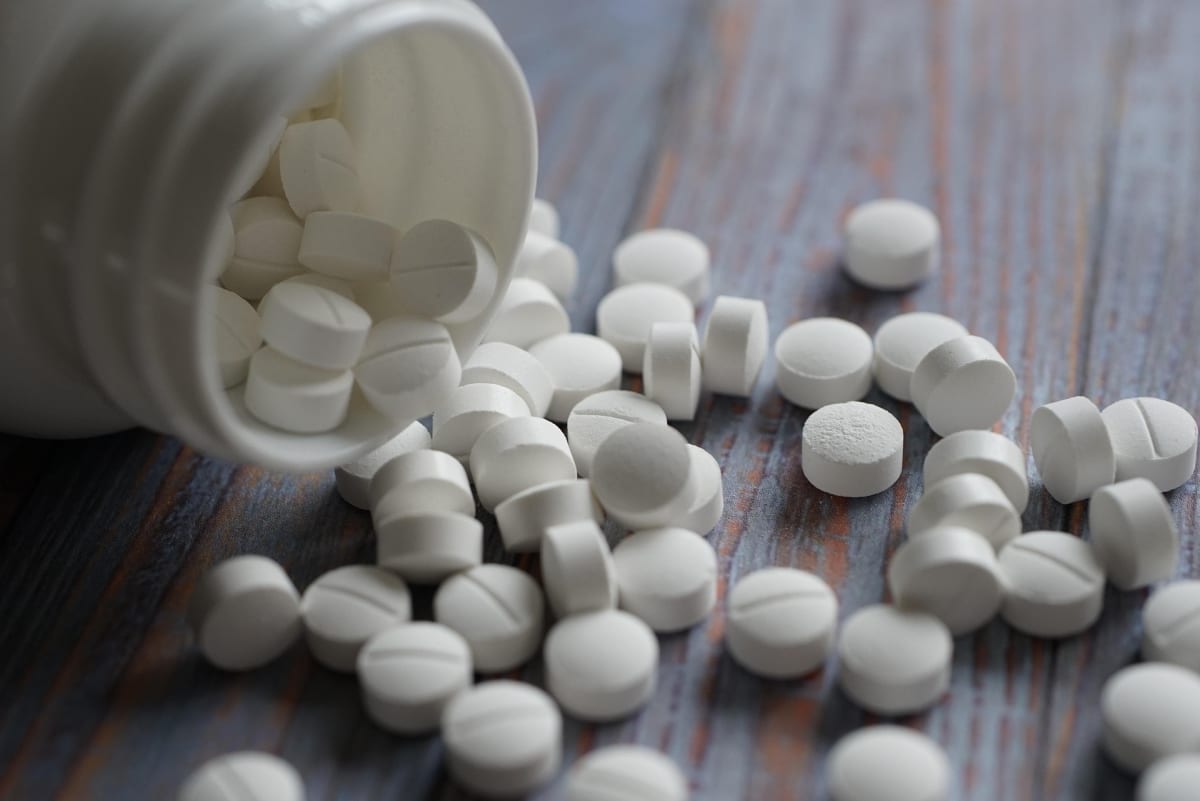
Magnesium supports muscle function, nerve health, and sleep quality.
Not all magnesium supplements work the same way. Some forms, like magnesium oxide, are poorly absorbed and are mainly used to relieve constipation, while others, such as magnesium glycinate, are better absorbed and commonly used to support relaxation and sleep.
To get the best results, choose a magnesium supplement that matches your health goal. Taking it with food can also help reduce stomach upset.
5. Zinc
Zinc plays an important role in immune function, but it can be harsh on the stomach.
Zinc is an essential mineral that supports immune function, but taking it on an empty stomach can cause nausea, stomach cramps, or vomiting. It can also compete with minerals like iron and calcium, reducing how well your body absorbs it.
For best results, take zinc with a meal and separate it from iron or calcium supplements by at least two hours.
6. Vitamin B12

Vitamin B12 is often used to support energy production and nervous system function.
Taking it late in the day may interfere with sleep in some people because it can have an energizing effect.
Taking vitamin B12 earlier in the day may help you get the most from the supplement. If you have difficulty absorbing B12, consult your healthcare provider about the best option for you.
7. Fish oil
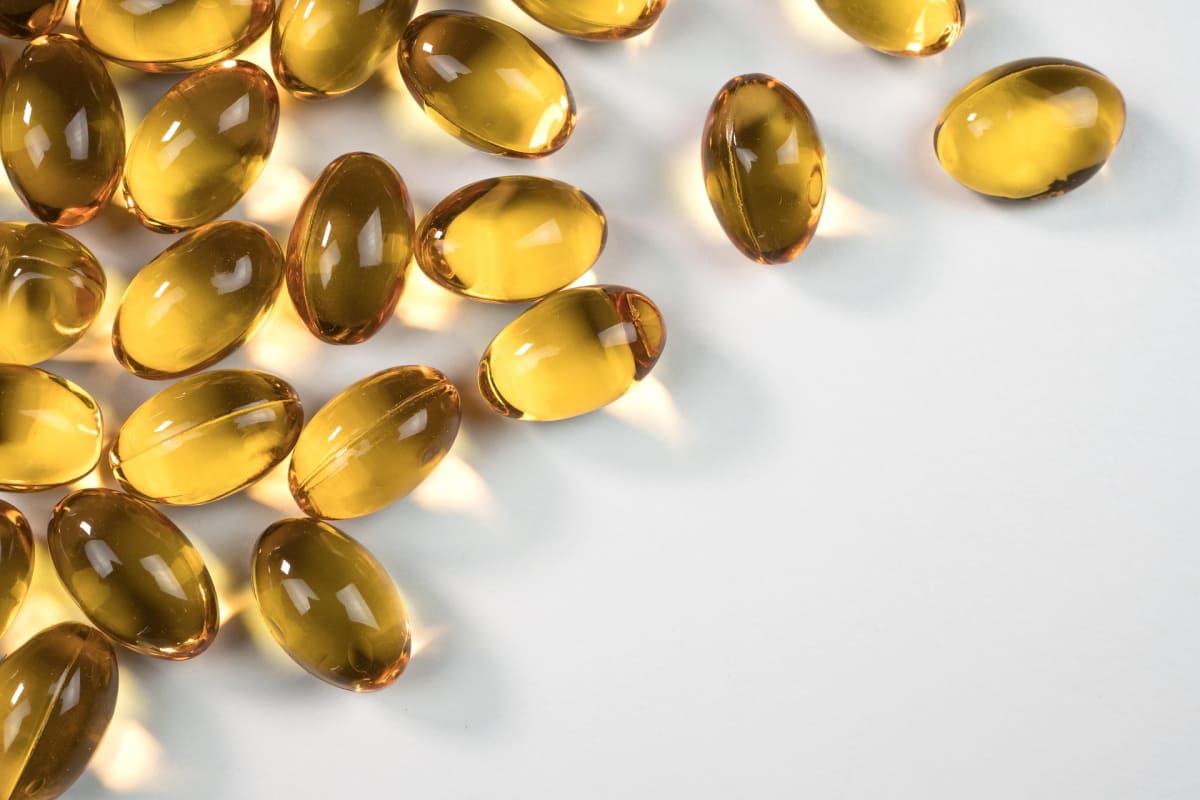
Fish oil supplements are best absorbed when taken with food, especially meals that contain healthy fats. Taking them on an empty stomach may cause nausea, acid reflux, or the common "fish burps."
To get the most benefit, take fish oil with a meal and avoid exceeding the recommended dose unless advised by a healthcare provider.
8. Probiotics
Probiotics are packed with beneficial bacteria that help support gut health, but they won't do much good if those bacteria don't survive. One common mistake is taking probiotics with hot tea, coffee, or other hot drinks, which can damage the live bacteria. Another is taking them at the same time as antibiotics, which can kill the beneficial bacteria before they have a chance to work.
For best results, take probiotics with cool or room-temperature water, space them at least two hours apart from antibiotics, and be patient. It can take a few weeks of consistent use before you notice the benefits.
9. Multivitamins
Multivitamins are meant to fill nutritional gaps, but taking them on an empty stomach can leave you feeling nauseous or lightheaded. Since many multivitamins contain fat-soluble vitamins like A, D, E, and K, they’re also absorbed better when taken with food.
It's also worth checking the labels before combining a multivitamin with other supplements. Taking multiple products with the same nutrients can lead to getting more than your body needs.
For best results, take your multivitamin with a meal and make sure you're not doubling up on the same vitamins or minerals.
10. Vitamin C

Vitamin C is great for supporting your immune system, but taking more doesn't necessarily mean you'll get more benefits. A common mistake is taking very high doses every day or loading up on vitamin C at the first sign of a cold, hoping it will make the illness disappear.
Your body can only use a certain amount of vitamin C, and any excess is usually excreted. In high doses, it may also cause stomach cramps, diarrhea, or increase the risk of kidney stones over time.
For best results, stick to the recommended dosage and remember that supplements work best alongside a balanced diet, not as a replacement for it.
11. Vitamin E
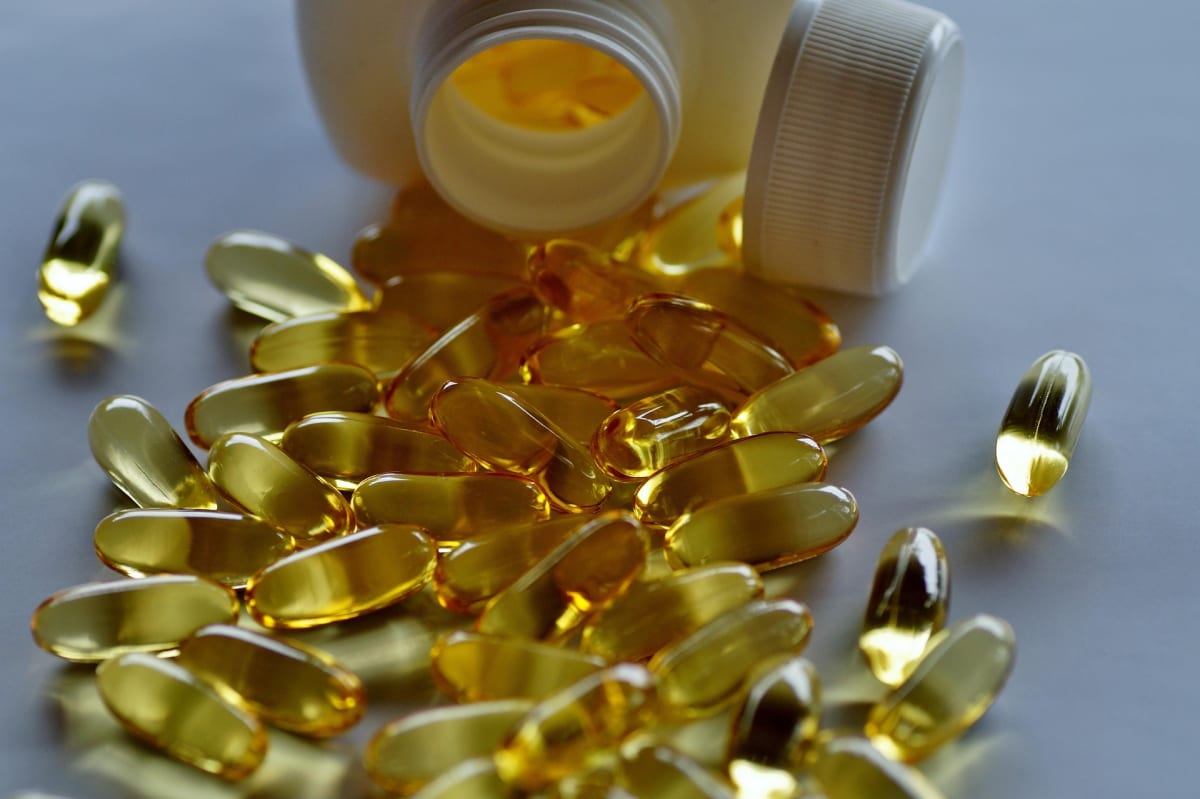
If you're taking a vitamin E supplement on an empty stomach, you might not be getting the full benefit. Since vitamin E is a fat-soluble vitamin, your body absorbs it much better when it's taken with a meal that contains healthy fats, such as eggs, nuts, avocado, or dairy.
It's also easy to think that taking more will give you better results, but that's not always the case. High doses of vitamin E can increase the risk of side effects, especially if you're taking blood-thinning medications.
For best results, take vitamin E with food and stick to the recommended dosage unless your healthcare provider advises otherwise.
12. Biotin
Biotin supplements are popular for supporting healthy hair, skin, and nails, but they can also affect the results of certain blood tests.
Many people don't realize this, which can make it harder for healthcare providers to interpret test results accurately.
If you're taking biotin and have blood work coming up, let your healthcare provider know. They may advise you to stop taking it for a few days before your test to help ensure accurate results.
Conclusion
Supplements can be valuable tools for supporting health, but they are not a substitute for a balanced diet and healthy lifestyle.
More importantly, even the best supplement may not work as intended if it's taken incorrectly.
By paying attention to timing, food interactions, and proper usage, you can maximize the benefits of the supplements you already take and avoid common mistakes that may be limiting their effectiveness.
Sometimes, getting better results isn't about buying a new supplement, it's simply about using the ones you have the right way.